


Choosing the right rug for your living room can transform the space, adding comfort and style. A well-chosen rug defines areas and completes your home's decor. In this guide, we'll answer the most frequently asked questions about choosing the ideal living room rug, with practical advice from an interior design expert specializing in rugs. Follow these tips to find the perfect rug that combines aesthetics and functionality in your living room.
What size should a living room rug be?
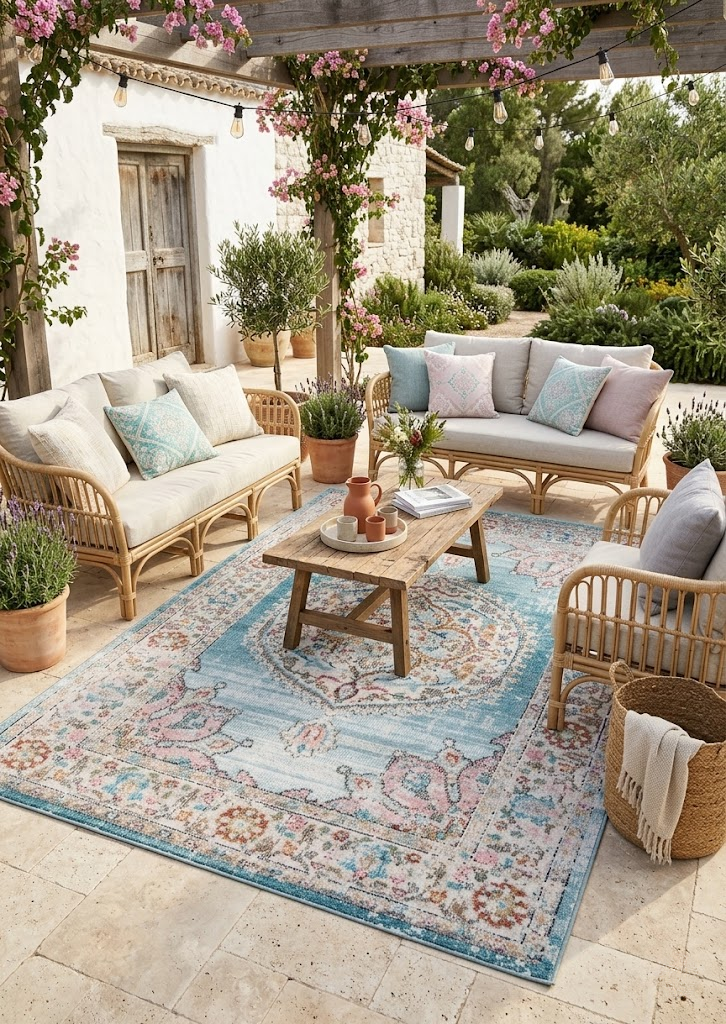
Size is fundamental for the visual balance of the living room. A rug that is too small risks looking out of place and making the room appear cluttered, while one that is excessively large can overwhelm the space. What is the general rule? Ideally, the rug should be large enough to accommodate the main furniture in the conversation area. If placed under the sofa, the rug should extend about 15-20 cm beyond the sides of the sofa and include at least the front legs of nearby armchairs or seats. This way, all elements of the living area will appear "anchored" visually to the rug, creating a harmonious ensemble.
-
Large living rooms: In a spacious living room, it's advisable to opt for an extra-large rug that covers a good portion of the floor. However, maintain a free border of about 30-40 cm between the rug and the walls, to frame the rug with the flooring and prevent the room from looking smaller.
-
Small living rooms: A medium-sized rug (e.g., ~160x230 cm) placed in front of the sofa can define the area without overwhelming the space. Just make sure it's large enough not to look like a "mat" lost in the middle.
-
Separate conversation areas: If your living area is divided into zones (e.g., TV corner and reading nook), you can use multiple rugs to define each area. A large rug can be placed under the sofa set, while a smaller rug can delineate the armchair and reading lamp area. This creates visual movement and defines functional spaces.
-
Special shapes: Generally, a rectangular shape is most commonly used in living rooms because it follows the lines of the sofa. However, a round rug can be ideal for softening rooms with many right angles or for highlighting a focal point (like a central coffee table): circular rugs "break up" rigid lines and draw the eye, adding originality. In very large living rooms, you can also dare to use square or irregularly shaped rugs, as long as they are proportionate to the space.
Which material should I choose for a living room rug?
The material affects the rug's aesthetics, comfort, and maintenance. The choice depends on the desired style and the daily use of the living room (presence of children, pets, frequent traffic, etc.). Here are the most common materials for living room rugs and their characteristics:
-
Wool: It is considered the "premium" material par excellence. A wool rug is soft and warm to the touch, resistant to wear, and excellent for insulating against cold and dampening noise. As a quality natural fiber, it has a higher cost but lasts for years. Moreover, wool is quite easy to clean and tends to repel dirt thanks to its natural oils. In short: wool provides softness underfoot and is a classic and durable choice.
-
Cotton: Cotton rugs are lightweight and breathable. They offer a fresh, informal look, often with flat weaves or hand-woven textures. Pros: they are generally easy to wash (some even machine washable) and are affordable. Cons: they are less thick and less insulating; also, in high-traffic areas, they might wear out faster than wool. Ideal for less-frequented living rooms or as seasonal summer rugs, as cotton doesn't provide as much warmth as wool.
-
Synthetic fibers (e.g., polypropylene, polyester): Synthetic rugs are very popular for their practicality. They offer a wide range of colors and patterns at affordable prices. They are resistant to stains and wear, making them suitable for lively living rooms, homes with children or pets. Polypropylene, in particular, is appreciated because it does not absorb liquids easily and is simple to clean. On the other hand, a synthetic rug might feel less refined to the touch than one made of natural fibers. Tip: if you are looking for durability and easy daily maintenance, a synthetic material is a good choice.
-
Jute, sisal, and other natural fibers: These rugs made from woven vegetable fibers have a boho-natural charm. They add rustic texture and organic warmth to the environment. Jute, for example, has a neutral color that pairs well with natural or Scandinavian interiors, and is very durable. On the other hand, vegetable fibers are a bit rigid and less comfortable underfoot; they also fear humidity (it's best to avoid getting them wet). They are often used in combination with layered rugs: for example, a large flat-weave jute rug underneath, and a smaller wool or cotton rug on top, for a trendy layering effect.

-
Silk or viscose: These are delicate and luxurious materials, with an elegant sheen. A natural silk rug is very thin and bright, suitable for formal or reception living rooms where traffic is limited. Viscose (an artificial fiber that mimics silk) offers a similar glossy effect at lower costs. However, both require care: they stain and damage easily with water, so it's best to use them in less-frequented areas or as decorative rugs.
Tip: consider the material also based on the maintenance you are willing to do. For example, if you want a very soft rug but are afraid of difficult stains, a good option is a short-pile wool rug (soft but easier to clean than silk). If your living room is frequented by children or pets, a stain-resistant synthetic rug or a washable rug will give you more peace of mind in everyday life.
How to match the rug to the style and colors of the living room?
The color and design of the rug should harmonize with the rest of the decor, or become a contrasting decorative accent. The choice depends on the effect you want to achieve:
-
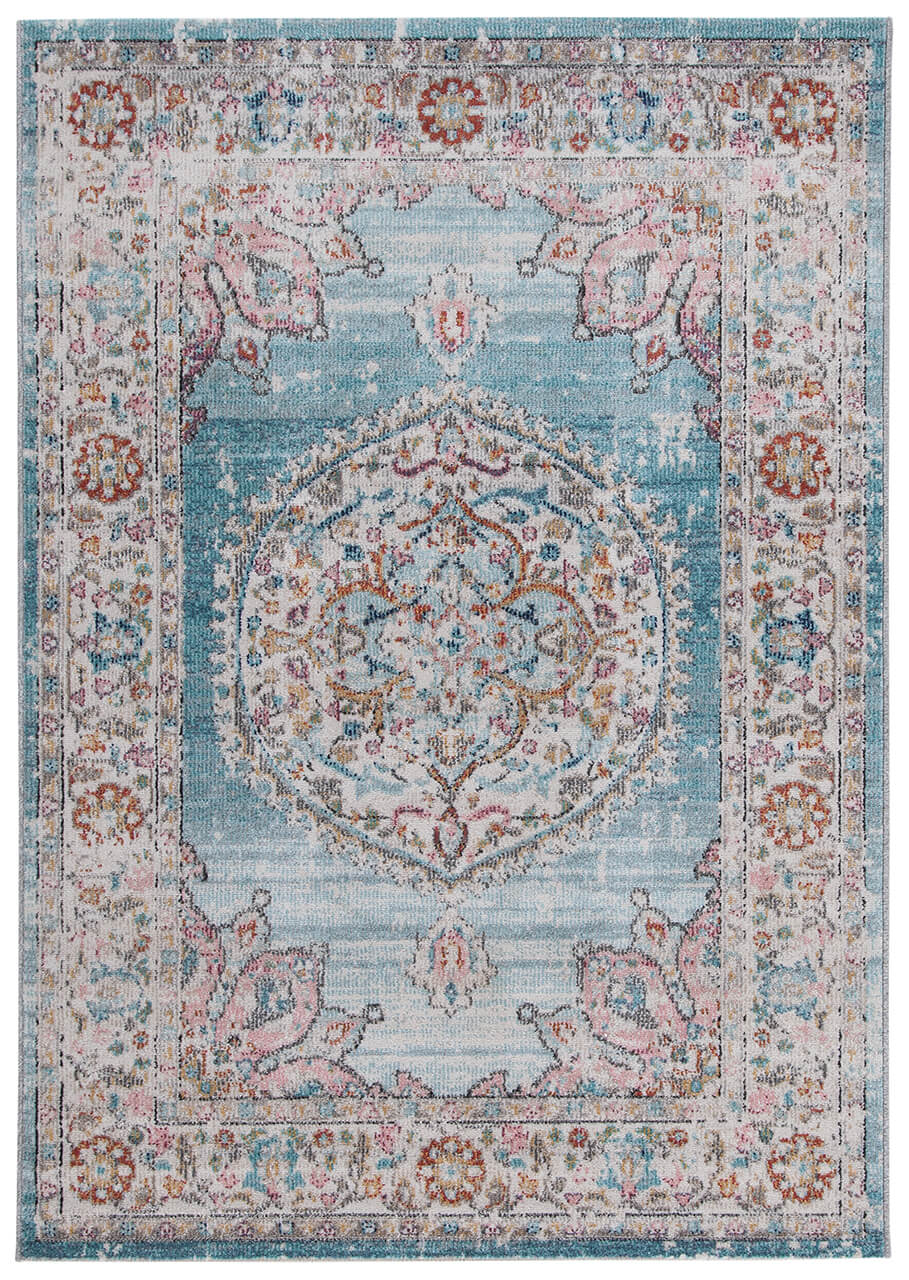
Color palette: For a minimal and modern living room, rugs in neutral tones (beige, light gray, cream) are often preferred, which add discrete elegance without being overbearing. A beige rug or taupe, for example, goes with almost any decor and never goes out of style. On the contrary, if the living room already has many neutral colors and essential furnishings, a rug with vibrant colors or a bold pattern can become the focal point that adds personality. In a neutral environment, try an oriental rug in blue and rust tones, or a modern multicolored geometric rug, to give character to the living room. Conversely, in a living room already rich in colors or patterns, it is advisable to choose a more sober rug, in a solid color or with a delicate pattern, which brings visual balance without creating chaos. For example, in a room with a patterned sofa and armchairs, it's better to opt for a monochrome rug or one with a light pattern in tones taken from the decor.
-
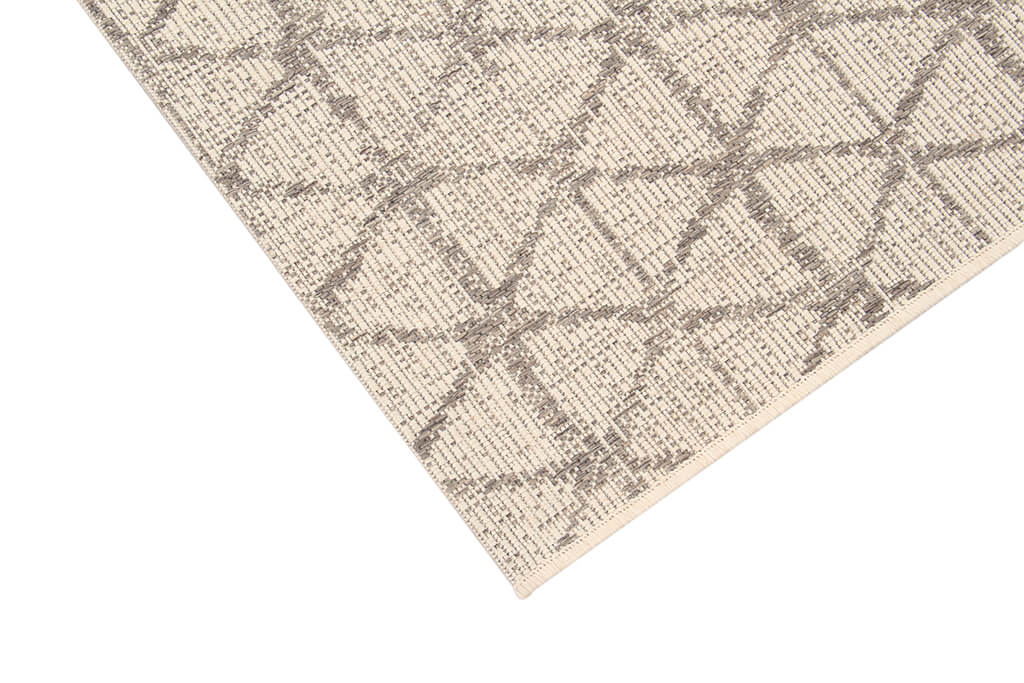
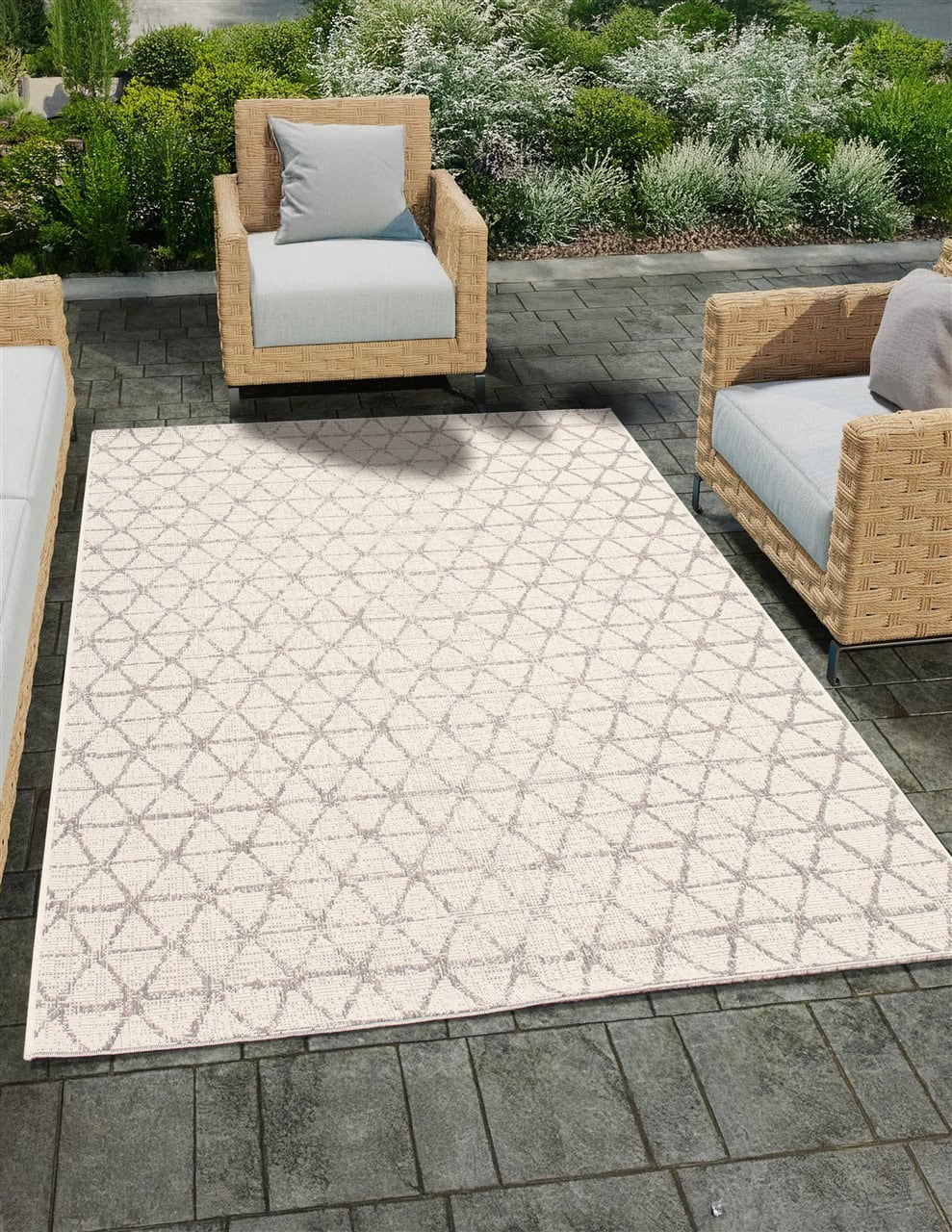
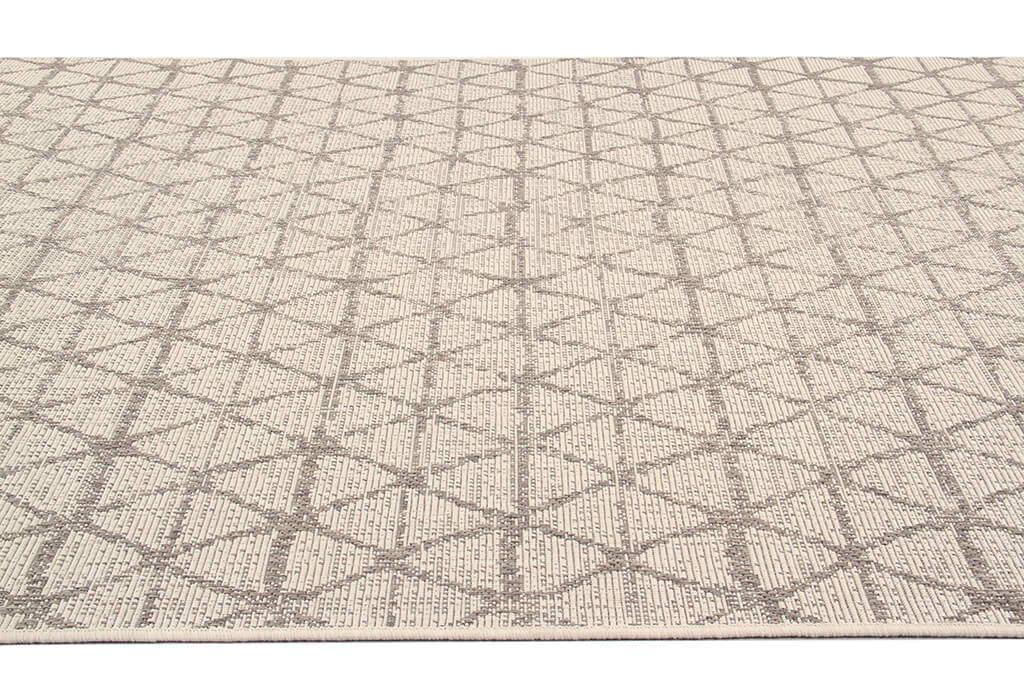
Motifs and patterns: Rugs can have very varied designs – geometric, floral, oriental, abstract. How to decide? Consider the style of the furniture. In a contemporary living room with linear furniture, a geometric pattern rug (rhombus, hexagons, lines) adds dynamism and echoes the modern design. In a classic or boho environment, a Persian rug or an ethnic kilim with traditional patterns can enhance the atmosphere and tell a story. If you have doubts, remember that small and repeated patterns (like oriental motifs or black and white ethnic Berber patterns) tend to mask dirt better and are more "easy" to live with every day compared to a very light solid-colored rug. In general, choose a design that you truly like: the rug is an important decorative element; it must reflect your taste as well as blend with the environment.
-
Combinations with other textiles: Rugs, curtains, and cushions should complement each other. It's not necessary to match them identically; in fact, an overly coordinated effect risks appearing flat. It's better to pick up two or three colors present in the living room. For example, if your sofa is blue with yellow cushions, a rug that echoes the blue of the sofa and perhaps introduces a touch of yellow or ocher in its decorations will create continuity. Instead, avoid combining too many different patterns: if the sofa and curtains have striking patterns, opt for a simple rug; if, on the contrary, furniture and walls are uniform, you can dare to use a rug with more intense patterns to "enliven" the whole.

How to correctly position the rug in the living room?
The placement of the rug in relation to the furniture is crucial for both aesthetics and functionality. Here are some tips on how to best position it:
-
Under the conversation group: The golden rule is to place the rug in the center of the conversation area. Ideally, it should go under the sofa and armchairs at least with the front part, to create a cohesive group. If the rug is large enough, all the furniture (sofa, armchairs, coffee table) can sit entirely on it; if it is medium, at least make sure that the coffee table is completely on the rug and that the front feet of the sofa rest on it. This visually links the furniture elements, giving the idea of a harmonious whole.
-
Alignment and symmetry: Try to center the rug with respect to the living area. For example, if the sofa is against a wall, the rug should be centered in front of it (not shifted to one side). Maintain symmetrical spaces on the sides: ideally, it should protrude uniformly on the sides of the sofa. Avoid pushing the rug flush with walls or side furniture; always leave a little breathing room at the edges. As mentioned, do not place the rug in direct contact with the walls: it's better to have a distance of a few tens of centimeters for a more airy and tidy effect.
-
Avoid obstructions in walkways: Be careful that the rug does not invade the walking areas of the living room. If there is a French door or an entrance, make sure that the opening is not obstructed by the rug. Also, the edges of the rug should not be precisely where people walk, to avoid tripping hazards. In environments with a lot of traffic (for example, if the living room also serves as a hallway), opt for thin, firmly secured rugs, perhaps with a non-slip backing.
-
Using the rug in an adjacent dining room: If the living room is open plan with the dining area, consider placing a rug under the dining table for stylistic continuity. In this case, choose a durable and easily cleanable rug (crumbs and stains are just around the corner) and large enough to contain all chairs even when pulled back. This will prevent chairs from teetering halfway on the rug. Usually, for a 6-seater table, a rug of at least 200x300 cm is needed. Also, ensure that the dining rug matches the living room rug in color/style if they are visible together, without necessarily being identical.
-
Rug and fireplace: If you have a fireplace or stove in the living room, pay attention to the materials: place the rug at a safe distance from sparks or embers and preferably choose fire-retardant fibers (wool, for example, is naturally fire-resistant). Avoid placing synthetic rugs too close to intense heat sources.
-
Non-slip underlay: Whatever the position, equipping the rug with a non-slip underlay is an excellent idea. Not only does it prevent the rug from moving (especially on smooth floors like parquet or marble), but it also adds a slight thickness that makes walking more comfortable and protects the rug from wear under furniture.
The right rug can greatly enhance your living room: from a "supporting" decorative element, it can become the centerpiece that unites the entire environment. In summary, choose a proportional size (better a little larger than too small), a material suitable for your comfort and practicality needs, and a design in harmony with your decor. With these guidelines, you will be confident in selecting the ideal rug. Now all you have to do is start your search: visit the CarpetLiving catalog to discover a wide selection of high-quality living room rugs – you will surely find the perfect model to make your living room more welcoming and chic!


Share:
How to clean and maintain a rug: practical tips
How to choose the right rug for your bedroom