


A children's bedroom is a magical space where play and rest coexist, and a well-chosen rug can make it even more warm and protective. For a parent or an experienced interior designer, a rug in the bedroom must guarantee safety and hygiene, as well as stimulate creativity. A soft rug under daily play offers protection in case of minor falls, cushions noise, and creates a more intimate environment. Naturally, when talking about a child's environment, it is essential to choose non-toxic, resistant, and easy-to-clean materials. In summary, the perfect rug for children is a mix of softness, functionality, and certified safety.
Why put a rug in a child's bedroom?
Beyond the obvious sensory comfort, a rug in a child's bedroom fulfills several practical functions: first of all, it protects against impacts. Dropped toys and small stumbles are more tolerable thanks to a softer floor. It also reduces the noise of toys and footsteps, so the environment remains quieter (also useful at night). In addition, it defines a soft play area: often a rug is an excellent visual boundary for playing with dolls, LEGOs, or toy cars. Finally, according to experts, "children need resilient, comfortable, and easily sanitizable surfaces", so a quality rug meets these needs. With the right rug, the bedroom becomes a safe place where children can explore and play freely.

Which materials and fibers should you prefer for children's rugs?
Safety starts with materials. Avoid low-quality synthetic fibers, and instead prefer natural and hypoallergenic materials. Here are some guidelines:
-
Natural and washable materials: cotton, wool, or quality mixed fibers are excellent because they provide softness and are breathable. Cotton, in particular, can often be machine-washed with ease, making small accidents a simple problem to solve. Wool, if treated, is also resistant and has natural antimicrobial properties.
-
Quality synthetic fibers: not all synthetic fibers should be avoided. Good quality polypropylene and technical polyester can resist stains and abrasions and dry quickly. These fibers are well suited for a child's bedroom because they are easy to clean with a damp cloth and do not absorb odors. Excellent choices are hypoallergenic polyester rugs or polypropylene rugs with a dense weave.
-
Short-pile or flat-weave rugs: to limit the accumulation of dust and mites (a factor not to be underestimated with allergic children), choose short-pile or flat-weave rugs. These retain fewer debris and are easier to clean with a vacuum cleaner. This type of rug does not get toys stuck in long threads.
-
Hypoallergenic and safe: always check safety certifications (absence of harmful substances). Many children's rugs on the market have OEKO-TEX or similar labels. Also, prefer rugs with anti-crease and anti-odor treatments to minimize mold and bad odors in case of humidity.
What to avoid when choosing materials
Do not put super-shaggy rugs or rugs with long fringes in young children's rooms: they could get tangled with toys or trap small objects. In preschool age, for example, a flat rug without three-dimensional decorative elements is safer. And, as experts point out, if you really don't want to give up carpeting (extended over the entire room), make sure it is fire-resistant and water-repellent; otherwise, it's better to opt for removable rugs, which are more practical to wash and easier to replace as children grow older.
What shapes, colors, and patterns to choose?
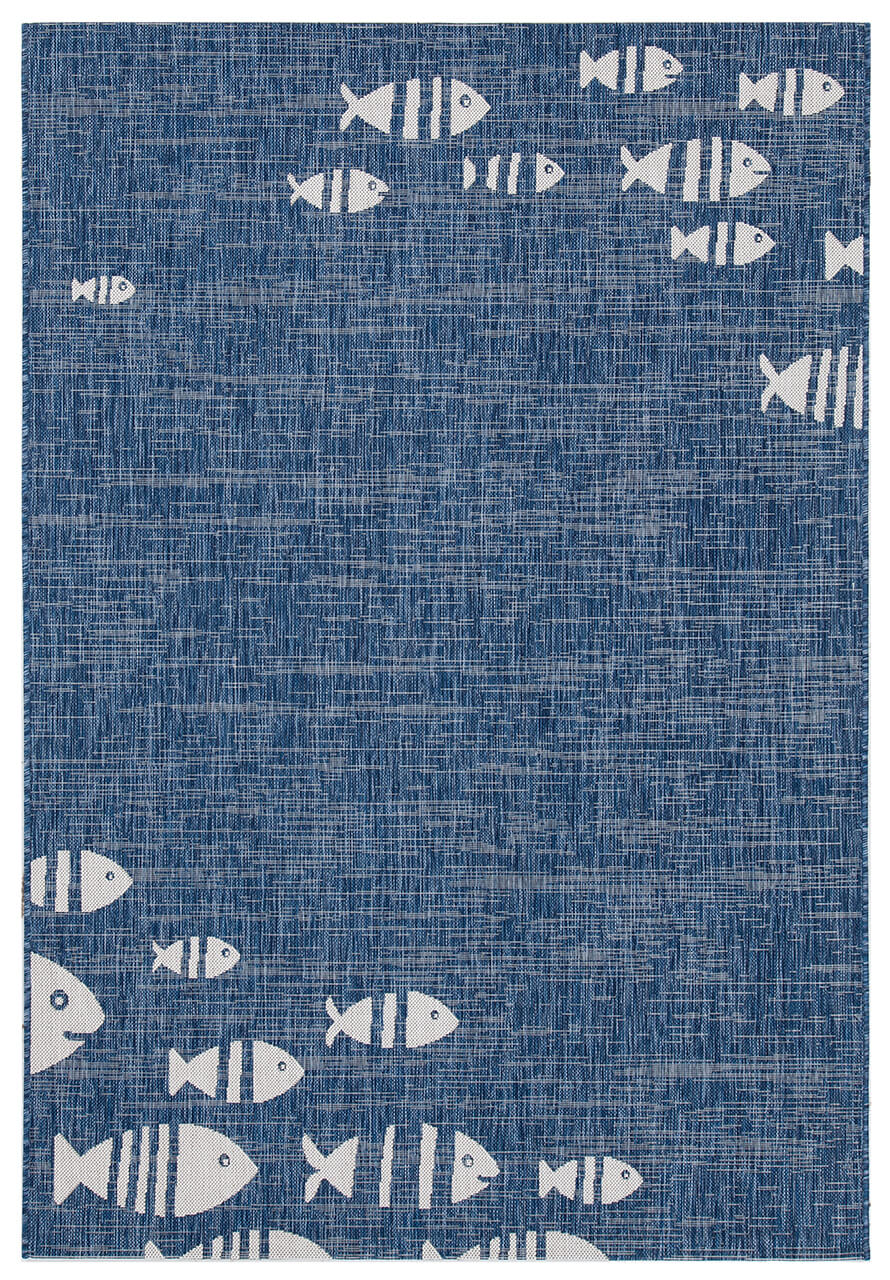
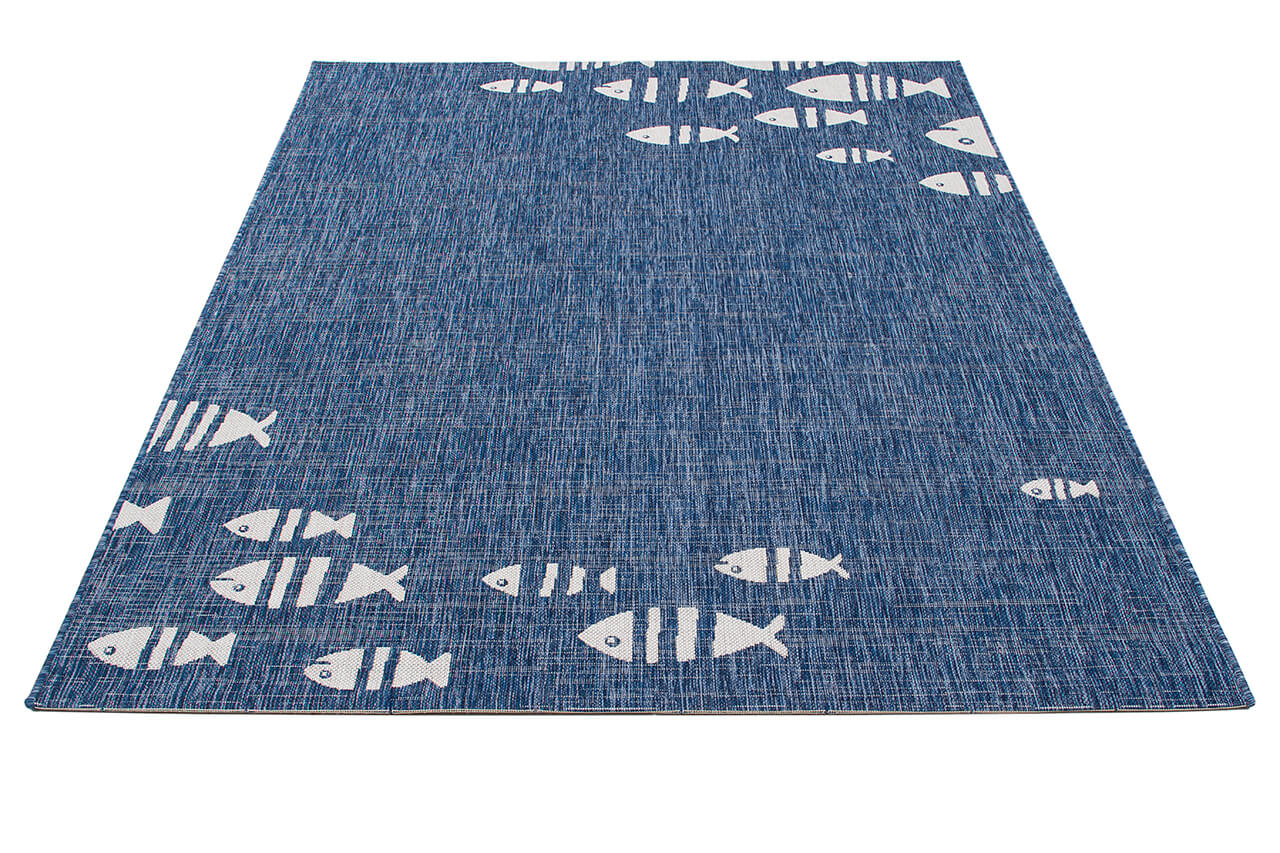
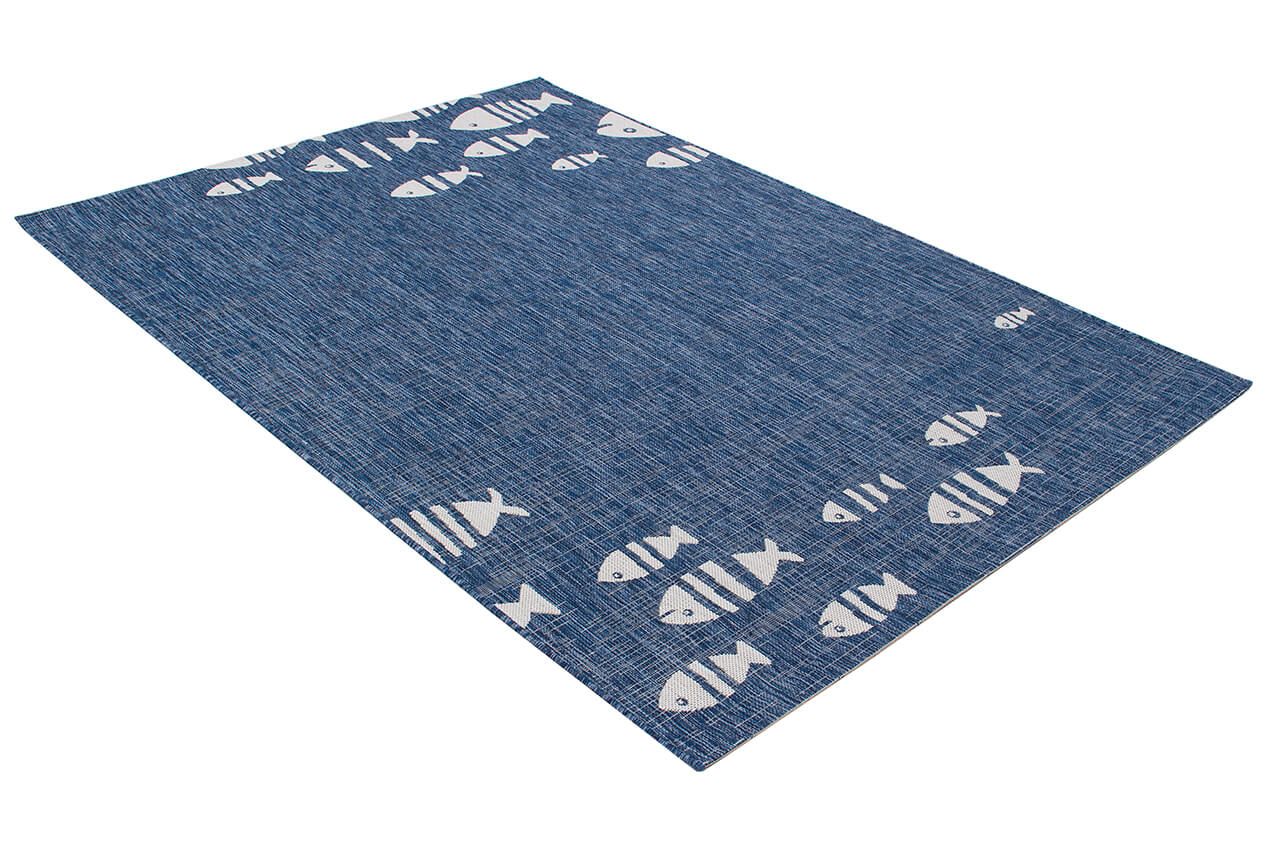
The bedroom is the realm of imagination: choose a rug that stimulates play and learning. Colorful patterns with animals, numbers, maps, or geometric shapes can foster creativity and imagination. An alphabet rug or one with educational figures (planetarium, geographical map) also adds educational value. In any case, bright colors and cheerful patterns are welcome: the rug can become a fun design object. However, don't overdo it: too much visual clutter could confuse young children. A good compromise is rugs in pastel shades with a simple design (bears, cars, stars), or solid rugs in bright colors (sun yellow, sky blue, meadow green). The important thing is that the chosen pattern complements the room's decor, stimulating play without creating sensory overload.

How to ensure safety with the rug in the children's room?
Safety is a priority. Make sure the rug is non-slip: a rubber backing or the use of a non-slip underlay is essential to prevent accidents. Children run and jump, so the rug must stay firmly attached to the floor. Also, prefer rugs with rounded edges and no fringes, to avoid tripping hazards. Choose fire-retardant rugs with certified fire reaction class, especially in nurseries and young children's rooms. Room ventilation must be optimal, so the rug does not retain excessive humidity. As a specialized article reminds us, "it is better to have easily washable floors (e.g., tiles or wood) warmed by short-pile rugs with non-slip edges, which are more practical to wash than carpeting". In practice: a colorful and safe short-pile rug is often preferable to full carpeting in a child's bedroom.
How to clean and maintain children's rugs?
Children's rugs should be cleaned often and thoroughly. Here are some tips:
-
Machine washable: opt for small or medium rugs that can be machine-washed. Today, there are specific children's rugs that are completely washable, easy to sanitize after daily "little disasters".
-
Regular washing: even if they don't get stained, wash the rug once every 3-6 months on a delicate cycle, to eliminate mites and bacteria. 30°C with neutral detergent is sufficient for cotton or synthetic fabrics.
-
Weekly vacuuming: vacuum at least once a week, focusing on the children's favorite play areas. A vacuum cleaner with a HEPA filter is ideal for children with allergies.
-
Immediate spot-cleaning: for any juice, food, or marker stain, blot immediately with a damp white cloth and a little neutral soap. For more stubborn stains (ink, cocoa), there are specific rug stain removers.
-
Edge control: periodically check that the rug's edge is not fraying or detaching; if worn, it can become a hazard.
These simple maintenance steps keep the rug hygienic and soft for longer. A clean rug makes the environment healthier for children's play and sleep.
Choosing the right rug for a child's bedroom means combining safety and style. Opt for durable, non-toxic, and non-slip rugs that can last for years, and have fun playing with colors and prints. With the ideal rug, the bedroom becomes not only more beautiful but also a true corner of comfort for the little ones at home. To see a selection of rugs designed for families and children's rooms, take a look at the CarpetLiving offer: you will find hypoallergenic, washable, and safe rugs, created precisely to accompany children as they grow. Make your children's room an even more welcoming place, where they can learn and play every day in complete tranquility!


Share:
What kind of rugs to use in the kitchen and how to maintain them
Carpets for hallways and entrances: how to choose and where to place them