

Rugs for Offices and Co-working Spaces: Acoustics, Comfort, and Workplace Design
The workspace has become a strategic asset: it attracts talent, communicates company culture, and influences productivity. In this context, the rug has ceased to be a mere decorative element and has become a tool for acoustic and spatial design. This guide is for those who want to understand how to use it effectively.
>> ARE YOU DESIGNING A WORKSPACE? CONTACT US FOR SAMPLES AND A QUOTE <<
How much noise does a rug really eliminate in an office?
The acoustic problem in modern open-plan offices is well-documented: low ceilings, hard surfaces, and open layouts create reverberation conditions that reduce concentration and increase the cognitive fatigue of staff.
A good density rug acts on two distinct levels:
- Footfall noise reduction: In open-plan spaces with concrete or parquet flooring, the impact of footsteps is perceptible to everyone. A rug with a thick backing reduces this noise by 25–40%.
- Reverberation absorption: Mid-range frequencies (voice, phone calls, keyboard) bounce off hard floors. A medium-to-high pile rug absorbs a significant portion of this reverberation, improving the quality of conversations and video calls.
For a meeting room, a rug covering at least 60% of the surface measurably reduces reverberation time (RT60), with direct benefits to the audio quality of remote calls.

How to use rugs for zoning without walls
In an open-plan space, the rug is the most economical and effective tool for creating distinct zones without building walls or purchasing expensive movable partitions. Typical applications include:
- Concentration zone: A more compact and neutral rug, indicating a quiet and focused space.
- Collaboration / stand-up zone: A rug with a different color or texture that signals an interaction area.
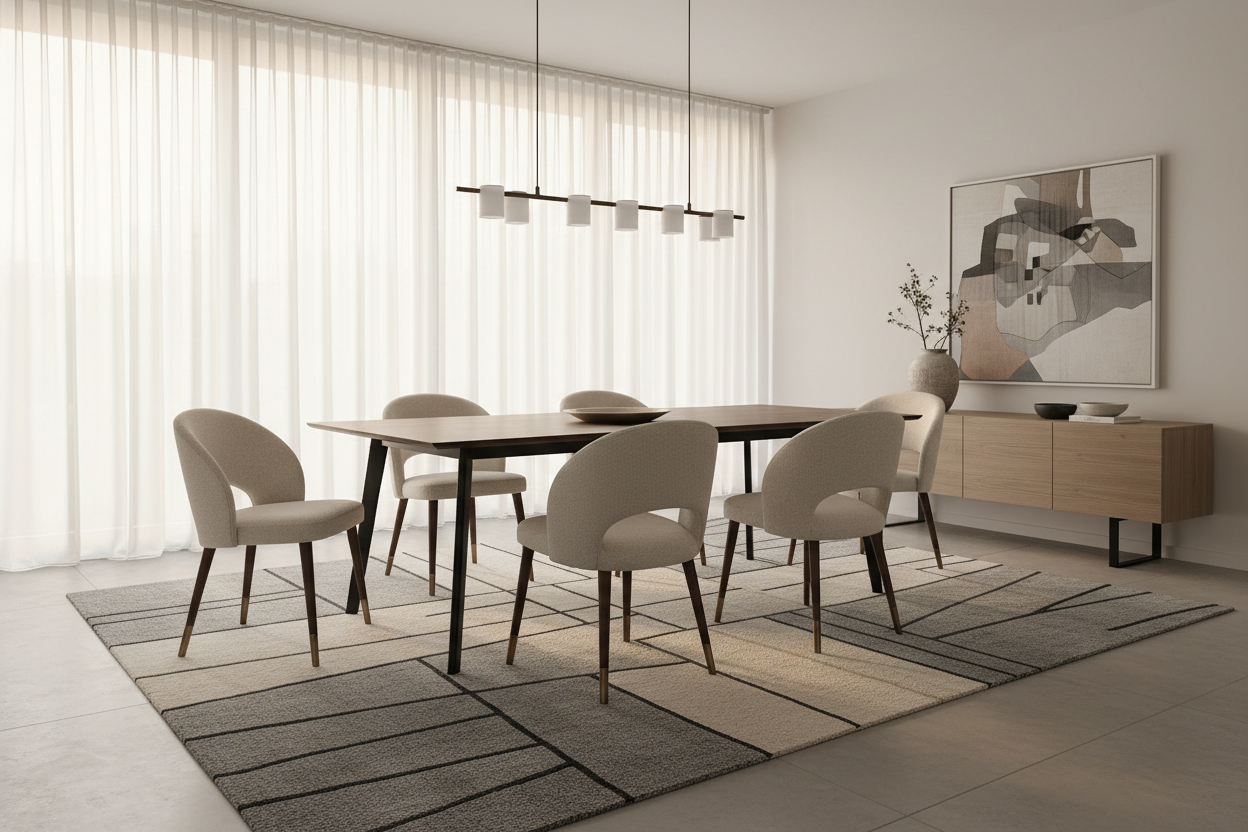
- Meeting room: A rug under the table that anchors the space and improves the room's acoustics.
- Lounge / break area: A softer, more informal rug that signals a change of pace.
- Entrance / reception: A representative rug that communicates the company's brand.
What materials to choose for an office environment?
The hierarchy for professional use:
- Wool: The premium choice for offices and executive meeting rooms. Excellent acoustic absorption, professional appearance, high longevity. Maintenance: frequent vacuuming, annual professional cleaning.
- Short-pile polypropylene: Ideal for high-traffic open-plan spaces. Durable, stain-resistant, easy to clean even with floor scrubbers. The most commonly used material in office contract settings.
- Wool-synthetic blend: A good compromise. Acoustic absorption superior to all-synthetic, easier maintenance than all-wool.
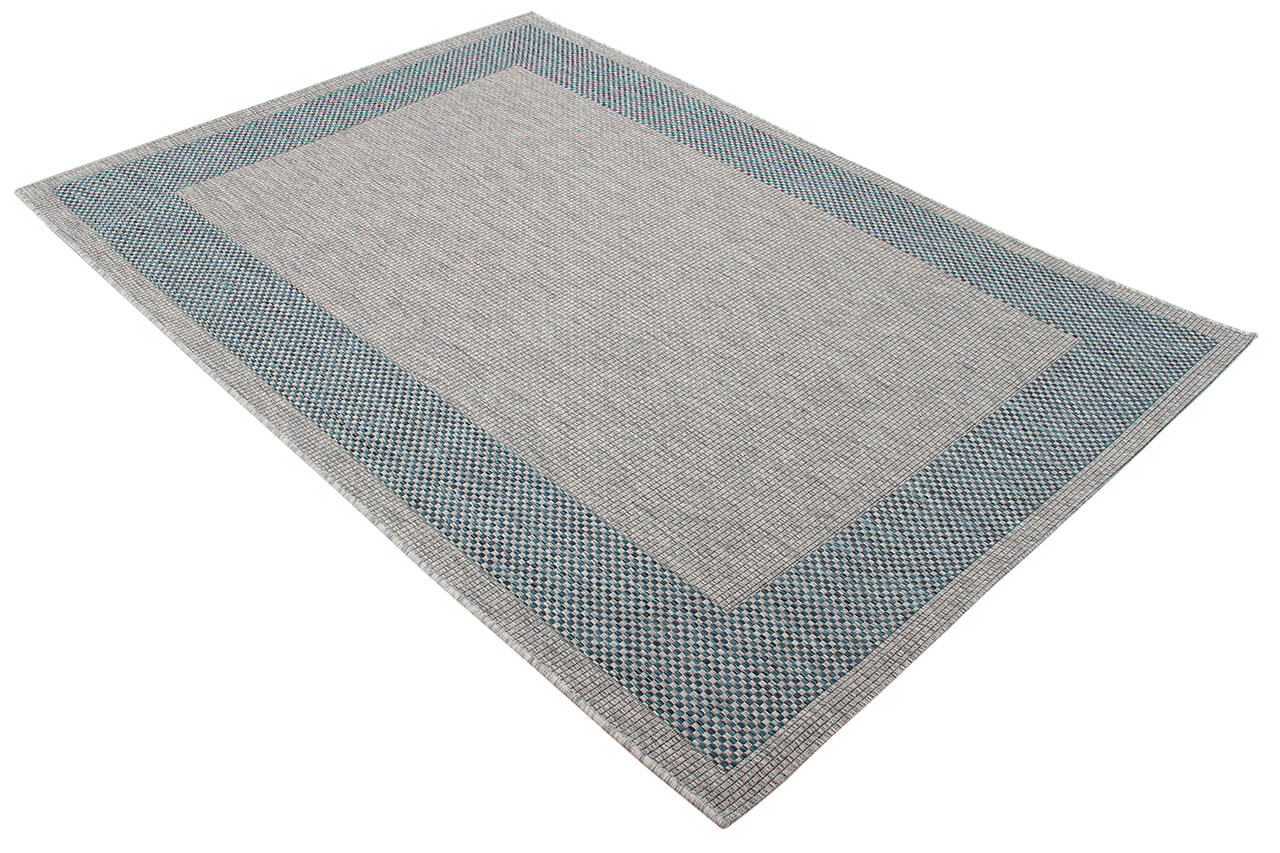
- Kilims and flat weaves: For design-focused areas with a refined aesthetic (stairs, reception, lounge). Neat appearance, does not collect dust like pile rugs.

Rugs and brand identity in the office
Companies with a strong brand identity increasingly use rugs as a visual communication tool. A rug with a color palette coordinated with company colors, placed in the reception area or main meeting room, becomes part of the experience for those visiting the office. It's not a detail: it's a sign of care and identity that visitors and candidates perceive immediately.
Maintenance and life cycle in an office environment
For an office with 20+ people in an open-plan space:
- Vacuuming 2–3 times a week in high-traffic areas
- Immediate stain treatment with a neutral product
- Professional cleaning every 6–12 months
- Scheduled replacement every 5–8 years for polypropylene, every 10–15 years for quality wool
>> REGISTER FOR THE PROFESSIONAL PORTAL FOR SAMPLES, TECHNICAL SHEETS, AND A QUOTE <<


Share:
Rugs and acoustics: how to reduce noise at home with the right rug
Rug size guide, perfect dimensions for every room