

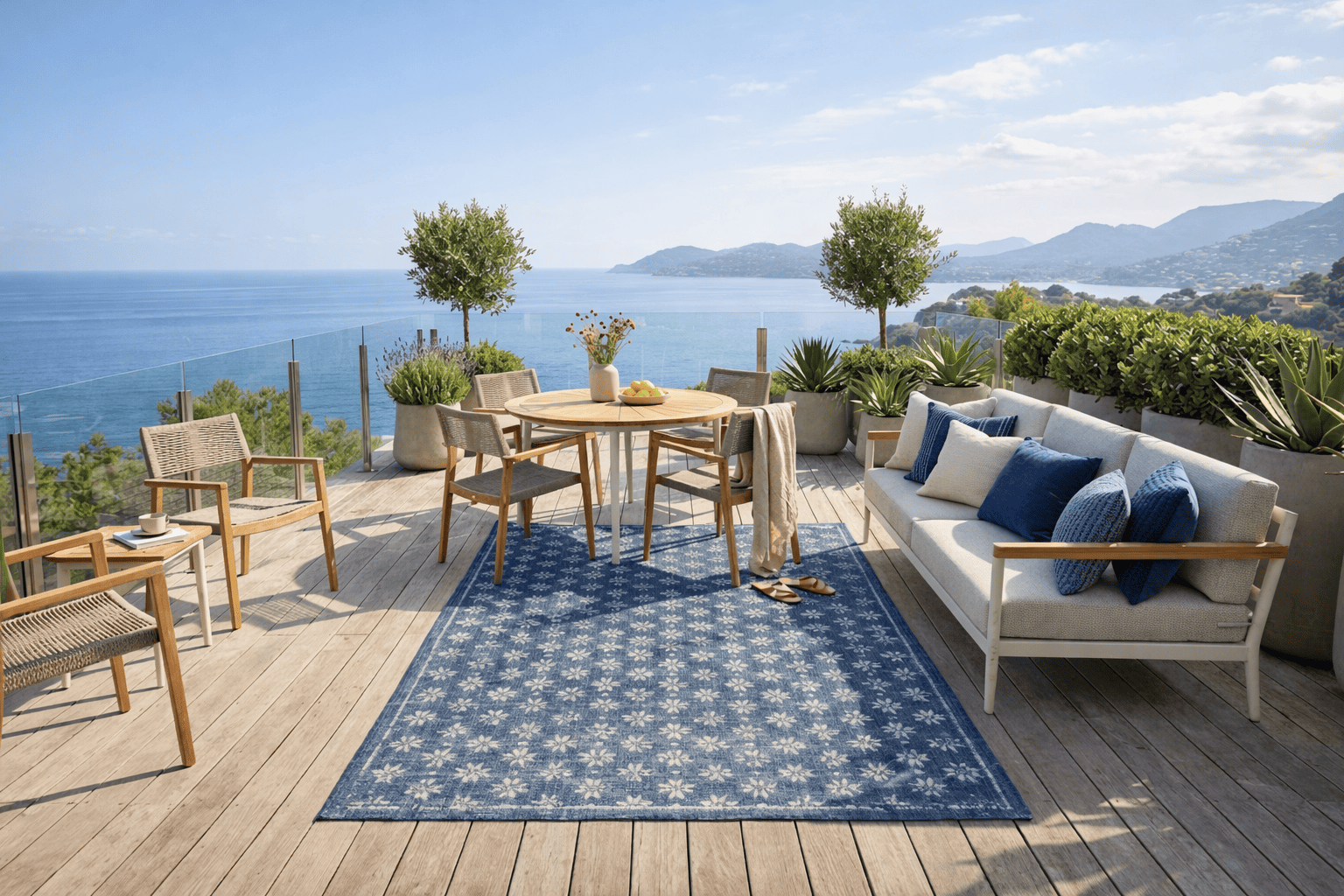
Outdoor Rugs for Terrace and Garden, Summer 2026 Guide
A terrace or garden is an extra room of the house — especially in summer. And like any proper room, outdoor spaces deserve a rug too: to define zones, soften hard surfaces (tiles, concrete, deck wood), and bring colour and character to a setting that can otherwise feel anonymous. The challenge is choosing a rug designed for outdoor use: resistant to moisture, UV rays and heavy foot traffic — and easy to clean.
Which materials withstand the outdoors?
Not all rugs are suited to outdoor use. Natural materials such as wool and silk cannot cope with prolonged moisture. For a terrace or garden, the materials to favour are:
- Polypropylene (PP): the outdoor material par excellence. Synthetic, completely waterproof, UV-resistant (it doesn't fade in the sun), mould-proof and very easy to clean, even with a garden hose. Available in a huge range of colours and patterns. Its only aesthetic drawback is that it tends to have a stiffer texture than natural materials.
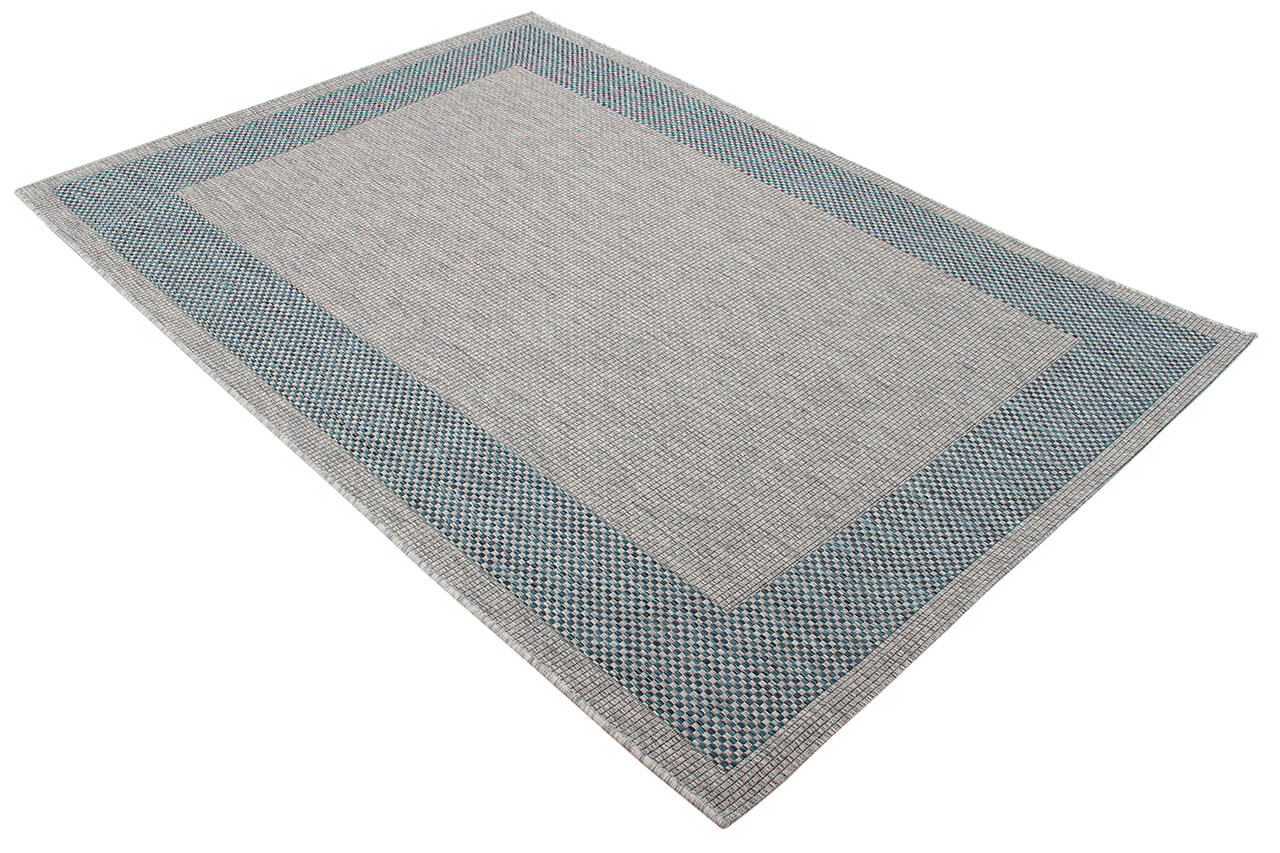
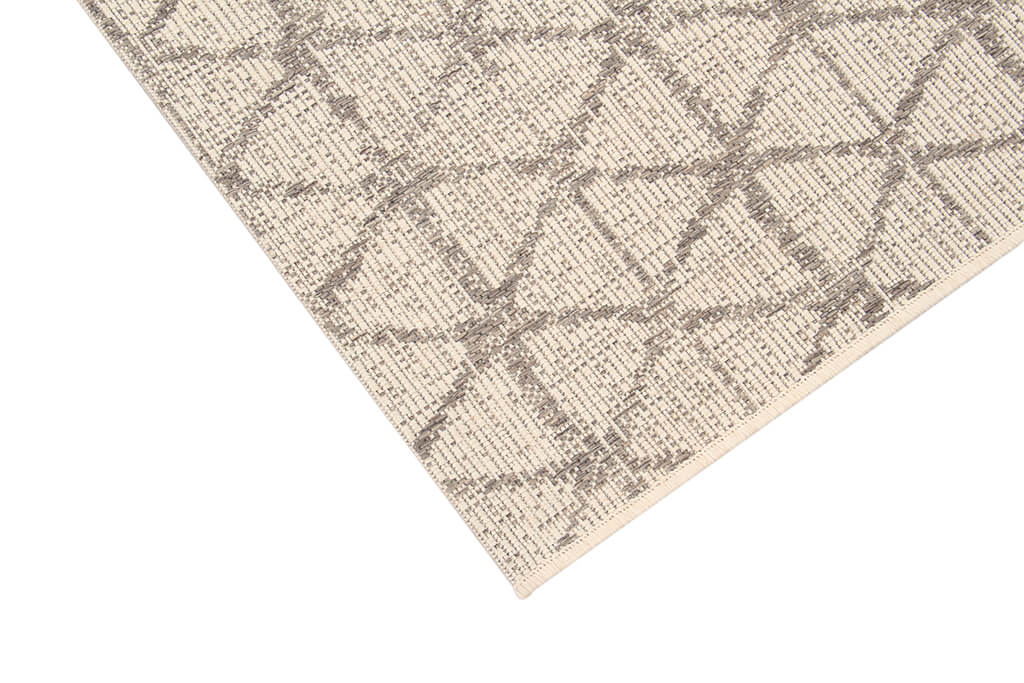
- Flat-woven polyethylene (PE): used for outdoor rugs with a woven look. Water- and UV-resistant like polypropylene, with a softer, more natural aesthetic. Easy to wash with soap and water.
- Treated jute: natural jute is not suitable for outdoor use (it absorbs moisture and deteriorates). Some treated versions can withstand moderate conditions, but not continuous direct rain. Suitable for covered balconies or loggias with little rain exposure. For everything you need to know about jute, read our guide to jute rugs.
- Paper cord: woven paper fibres, resistant to light but less so to prolonged moisture. Excellent for covered loggias and verandas.
Rule of thumb: for terraces and gardens exposed to rain → polypropylene or PE only. For covered loggias and balconies → treated jute or paper cord are fine too.

Where to use an outdoor rug?
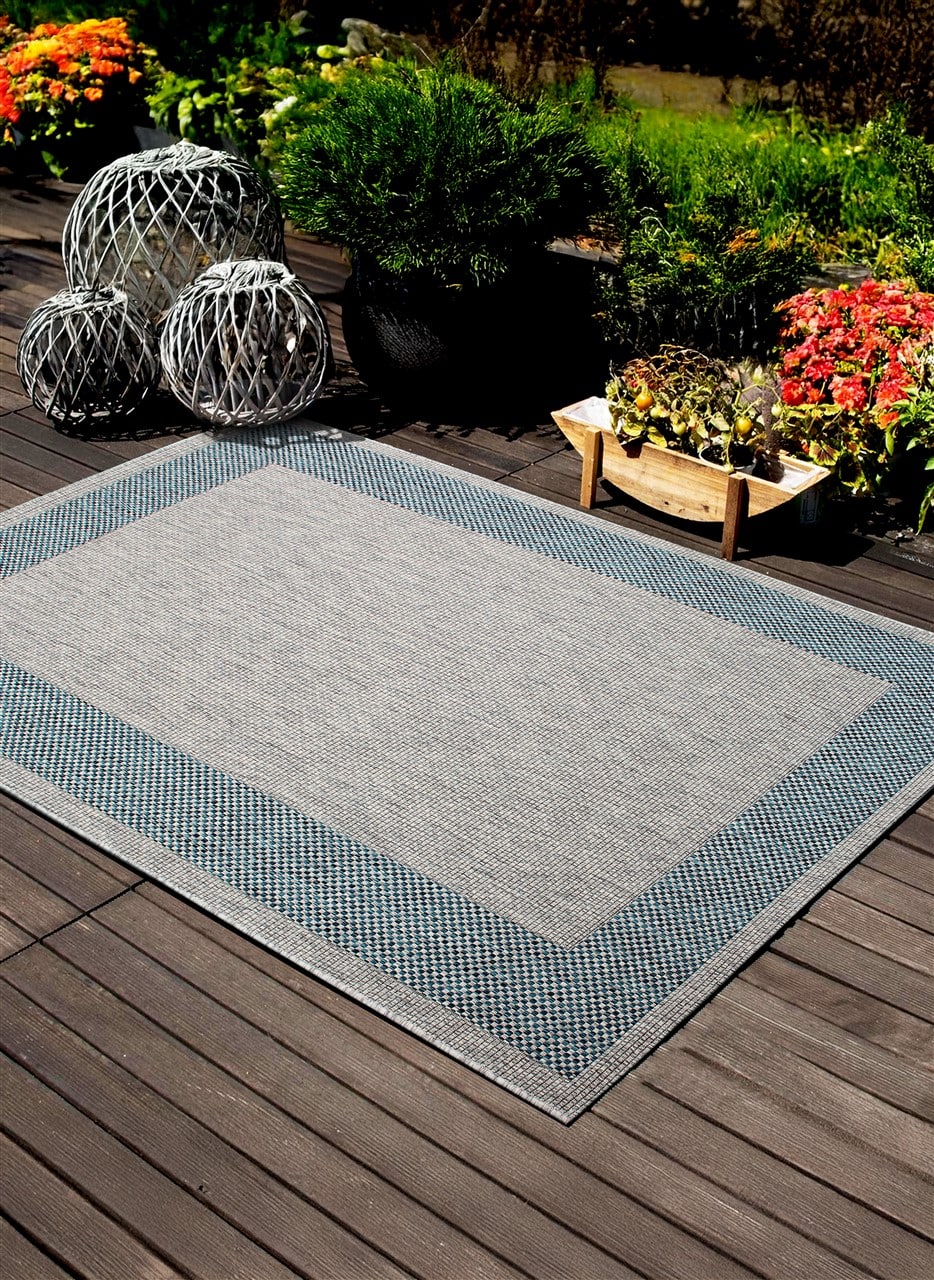
- Terrace: the most common use. An outdoor rug under the dining table defines the dining area, protects the floor from chair scratches and makes the space more welcoming. Choose a size that leaves the rug visible by at least 30 cm on each side beyond the chairs when pushed in.
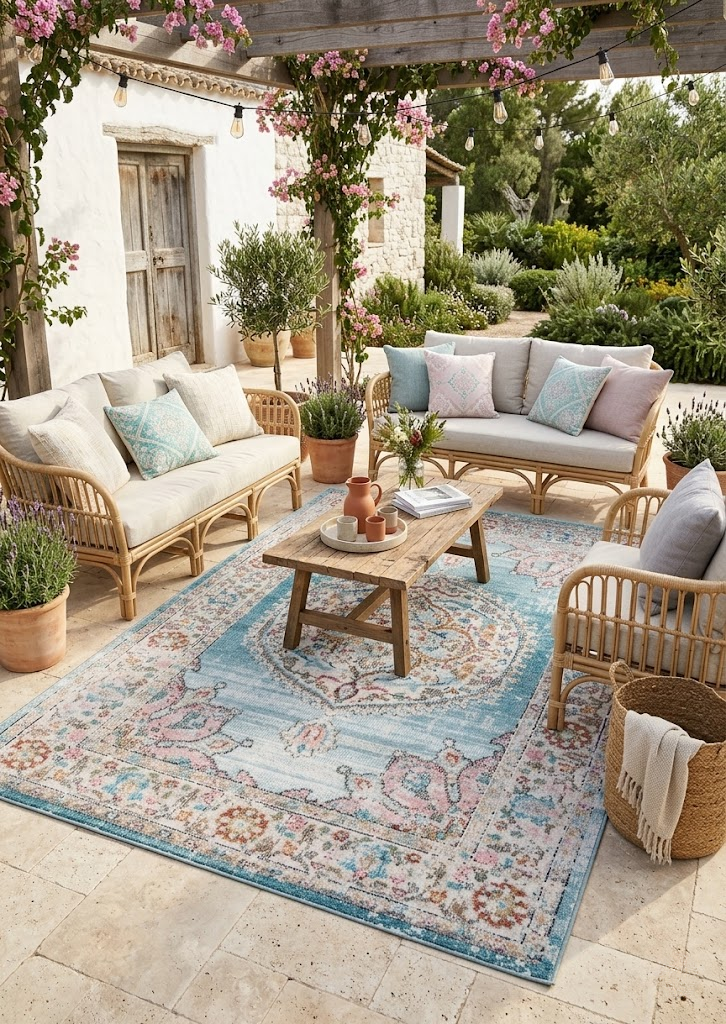
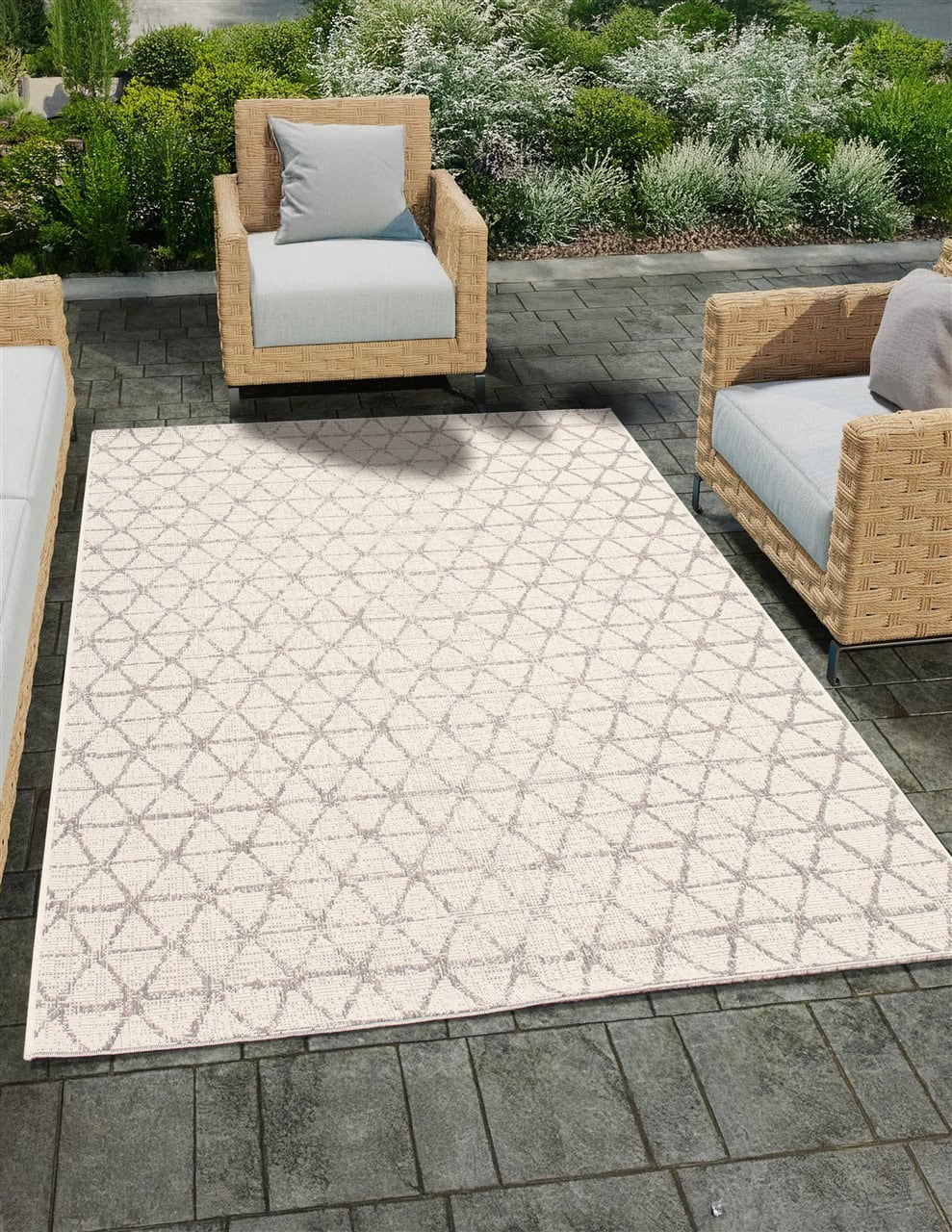
- Garden / lounge area: under garden loungers or an outdoor sofa, a large rug (200×300 cm or more) creates a visual island that separates the relaxation area from the lawn or paving.
- Balcony: even a narrow balcony (80–100 cm) can hold a runner that visually turns it into a small veranda.
- Poolside: non-slip polypropylene rugs are ideal for the poolside — they get wet, dry quickly and don't slip.
- Outdoor entrance: at the entrance to the house, a sturdy outdoor rug doubles as a decorative doormat, catching dirt and moisture before you step inside.
Which size should you choose for an outdoor rug?
The same general rules apply outdoors:
- Dining area (4 chairs): minimum 160×230 cm, 200×300 cm recommended to allow room when chairs are pulled out
- Lounge area (sofa + armchairs): at least 200×300 cm, ideally 240×340 cm to include the whole seating group
- Narrow balcony: a 70×200 cm or 80×250 cm runner creates maximum effect in little space
- Poolside: long runners (60×300 cm or 80×400 cm) along the long sides of the pool
For a complete guide to standard rug sizes, read our article rug sizes: the guide to dimensions.

Style: how to choose the right pattern for outdoors?
Outdoor rugs in 2026 fall into two broad style trends:
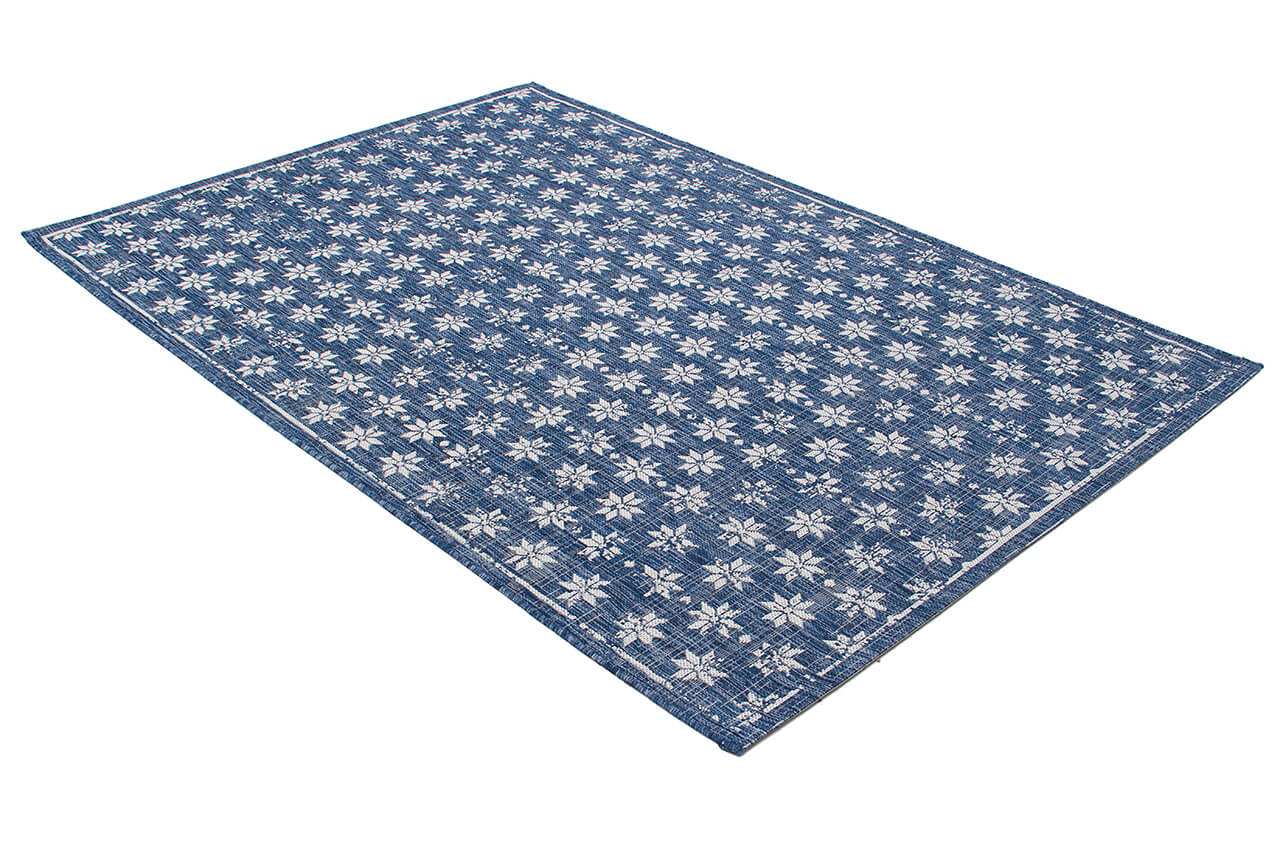
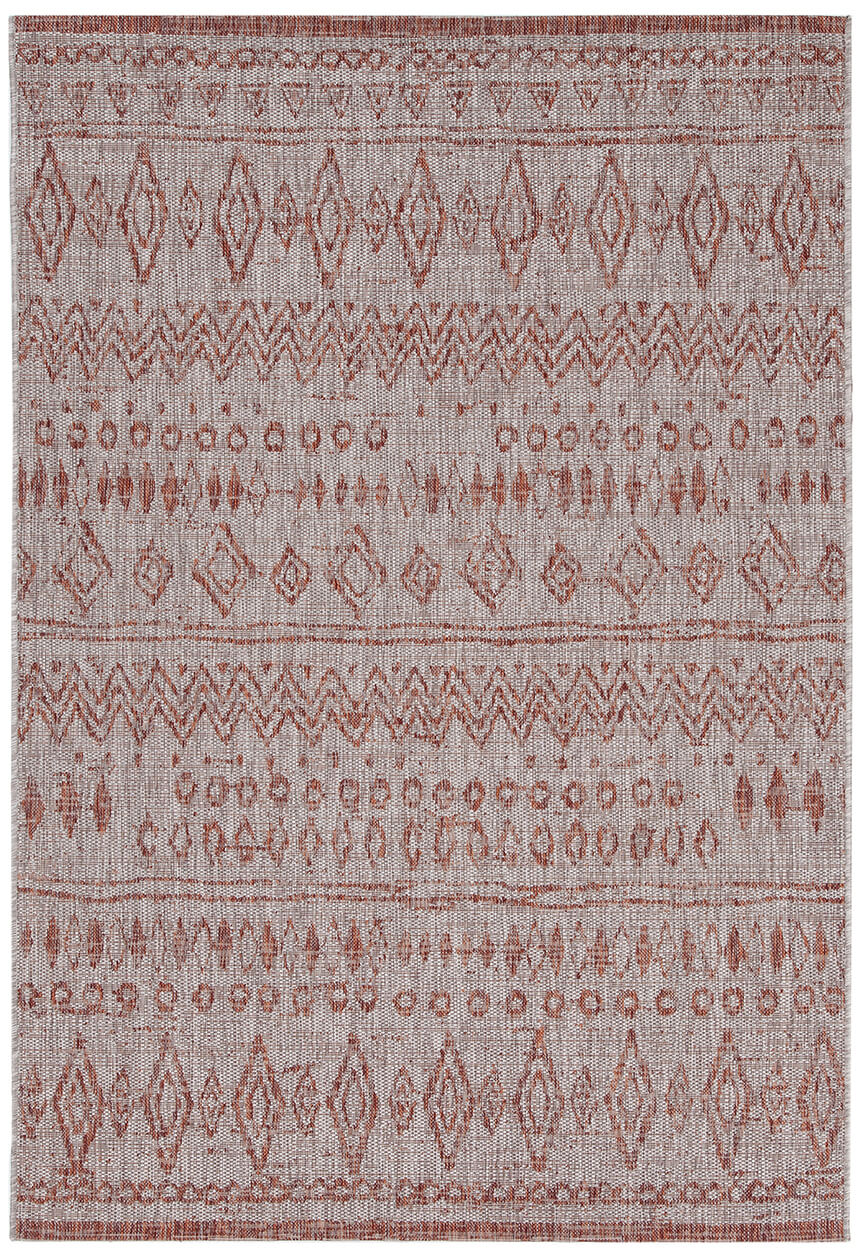
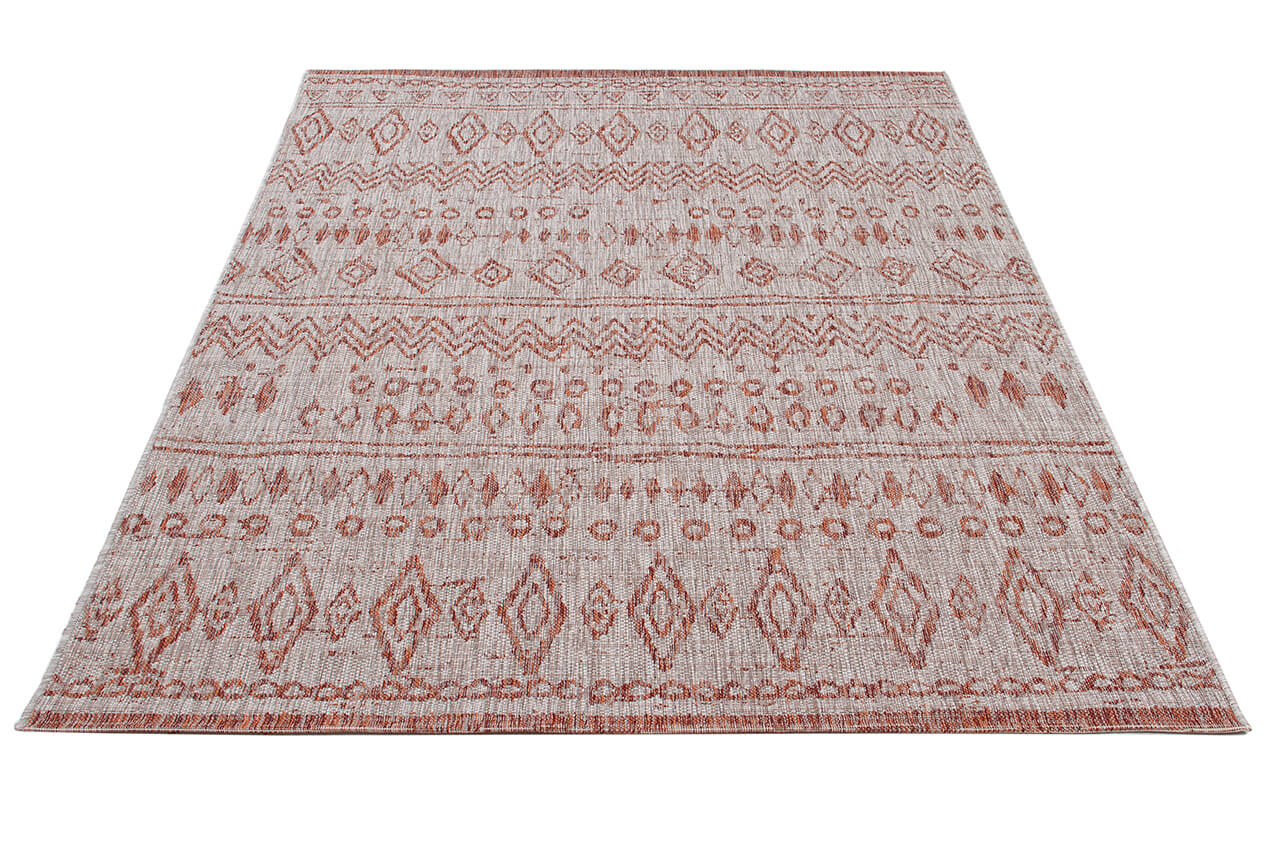
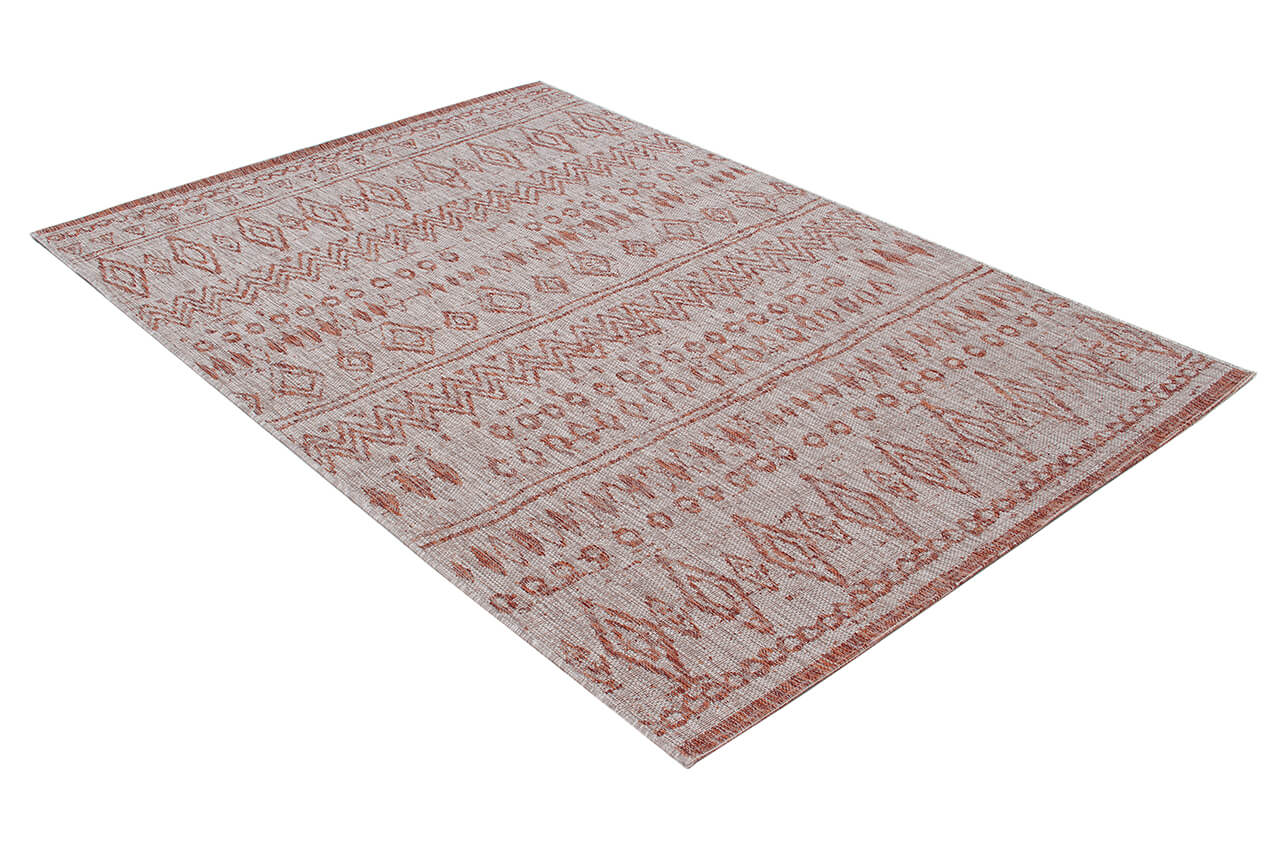
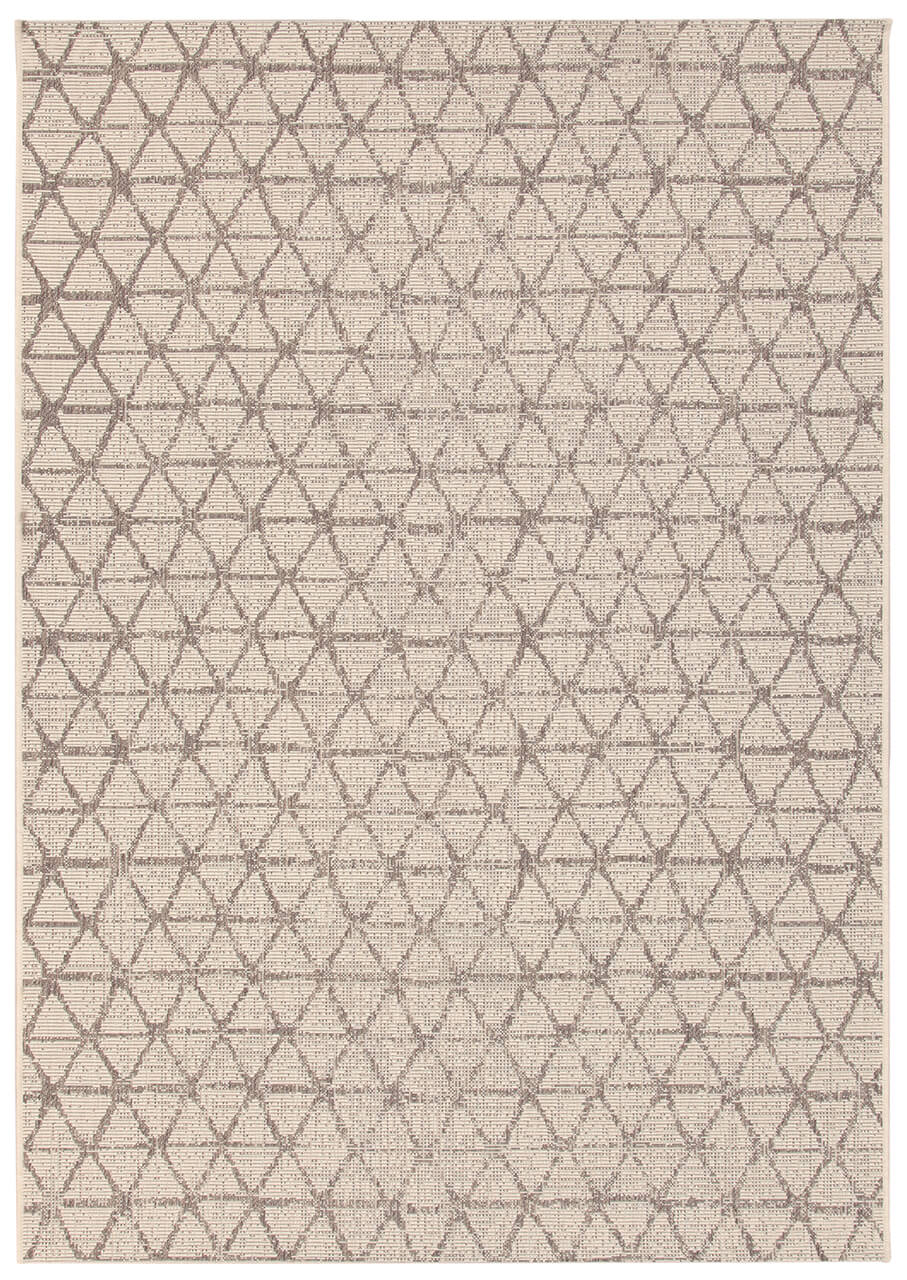
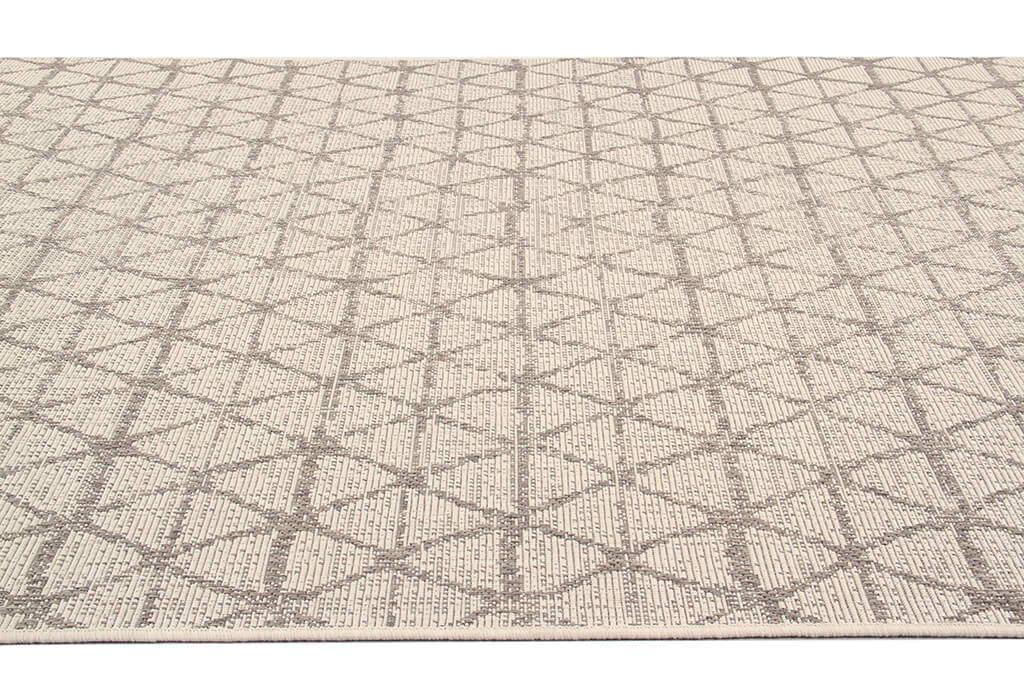
- Geometric and tribal patterns: chevrons, diamonds, stripes, lozenges. They work very well outdoors because contrasting colours stay visible even in direct sunlight. They pair with outdoor furniture in rattan, wood and metal.
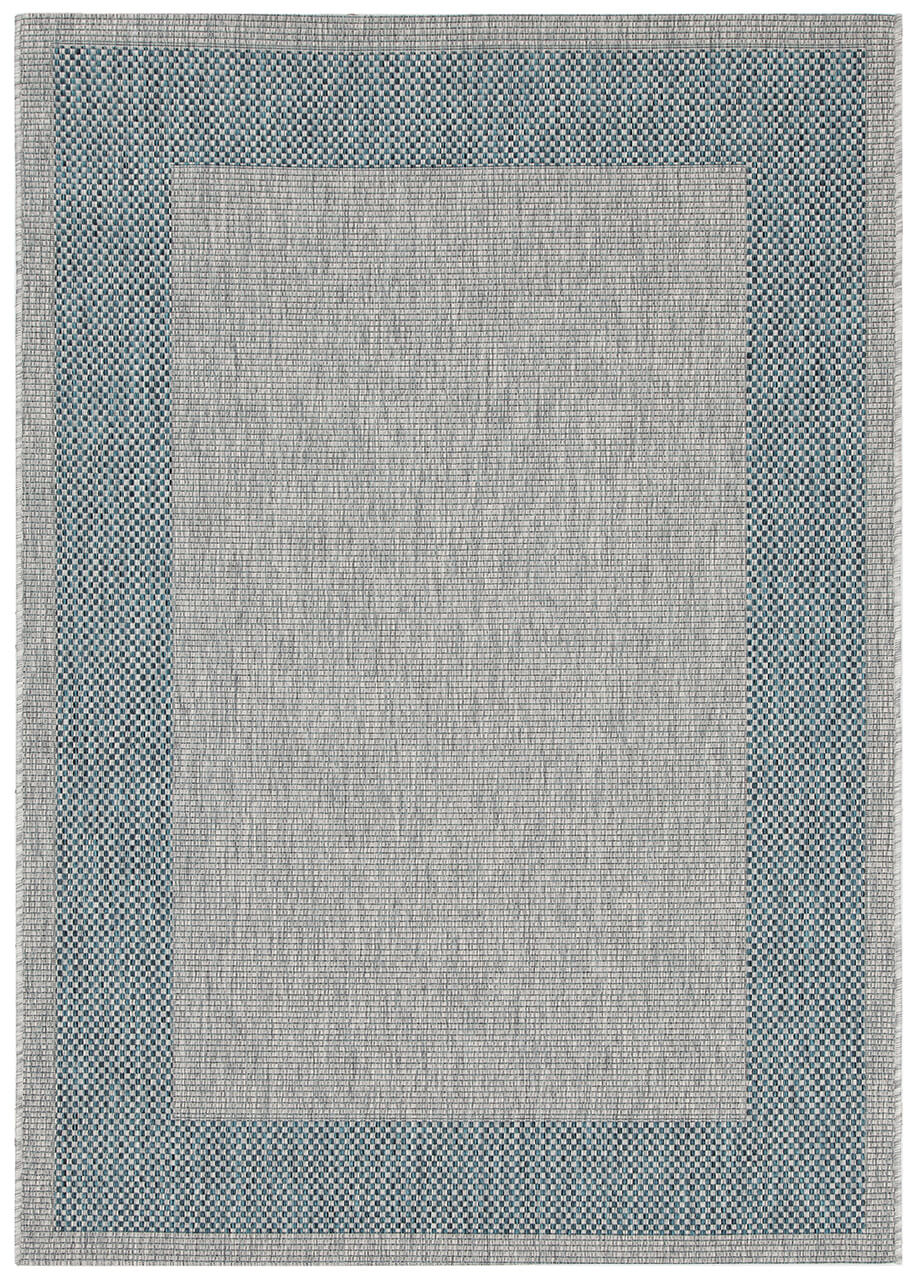
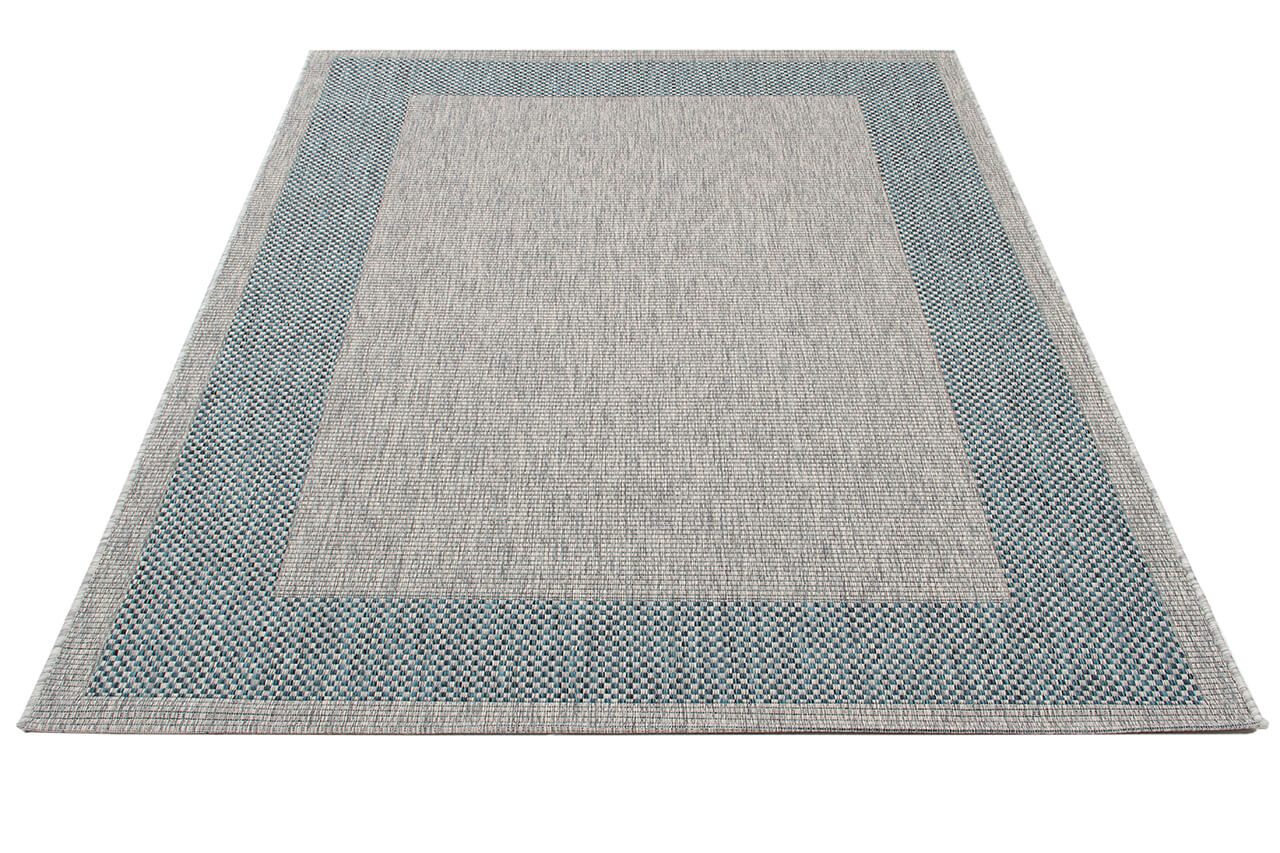
- Solid colour or gradient: greys, beiges, terracotta, olive green. Elegant and versatile, they suit any outdoor decor style — from minimal to boho.
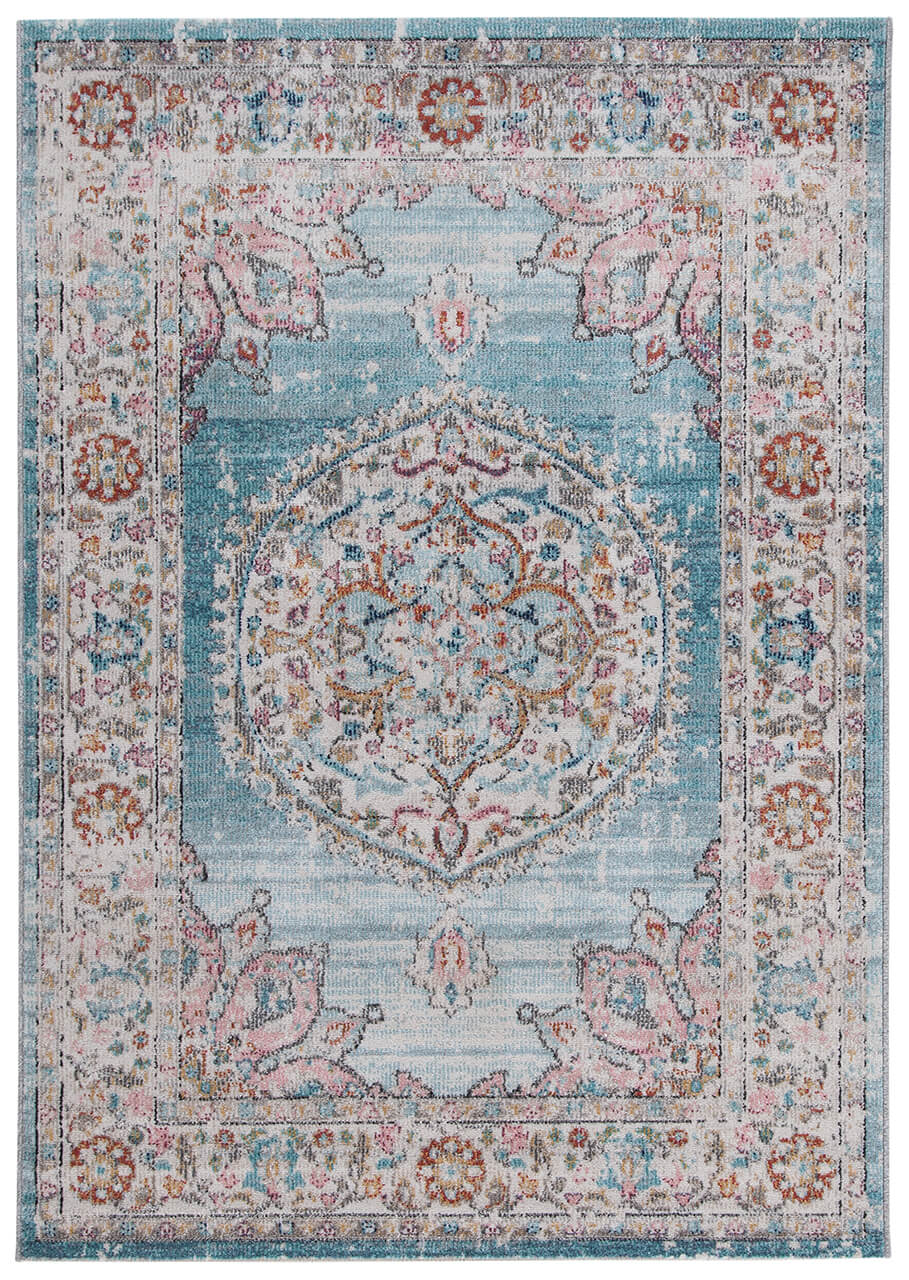
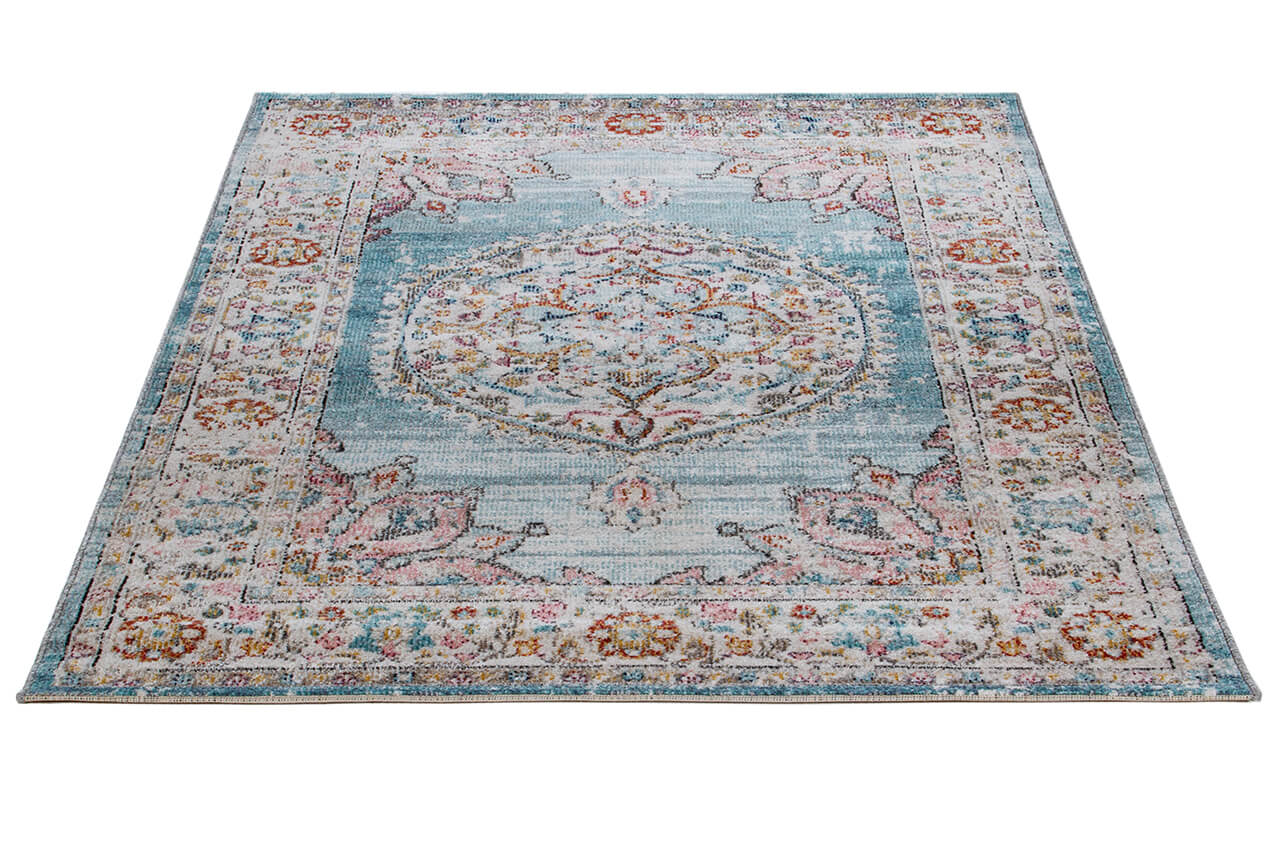
Avoid very fine or delicate patterns: outdoors, strong sunlight can make patterns with subtle contrasts hard to read. Bold, well-defined designs work best.
How to clean and maintain an outdoor rug
- Routine cleaning: shake or vacuum the rug to remove leaves, soil and dust. Polypropylene rugs also tolerate an outdoor vacuum cleaner.
- Washing: outdoor polypropylene rugs can be washed directly with a garden hose and a soft brush with a little mild detergent. Rinse thoroughly and leave to dry in the sun (they dry in 1–2 hours).
- Stains: treat immediately with soap and water. Most stains don't penetrate synthetic fibres.
- Winter: roll up the rug and store it in a dry place during the winter months to extend its life. Don't leave it lying wet under snow for weeks.
Outdoor rugs at CarpetLiving
Browse our selection of outdoor rugs — polypropylene, woven PE and treated natural fibres for terrace, garden and balcony. Every product is labelled with its material and outdoor suitability. If you're looking for a more natural solution for a covered loggia, also explore the jute rugs in our dedicated selection.
→ Discover all CarpetLiving outdoor rugs
Outdoor rugs, in summary
- For outdoor areas exposed to rain: polypropylene or PE only — durable, hose-washable, UV-resistant
- For covered loggias: treated jute or paper cord are fine too
- Minimum size for a dining area (4 chairs): 160×230 cm
- Pattern: favour bold designs that stay visible in sunlight
- Maintenance: wash with a garden hose, dry in the sun, store indoors in winter


Share:
Rug size guide, perfect dimensions for every room
How to Decorate in Moroccan Style with Kilim and Berber Rugs