

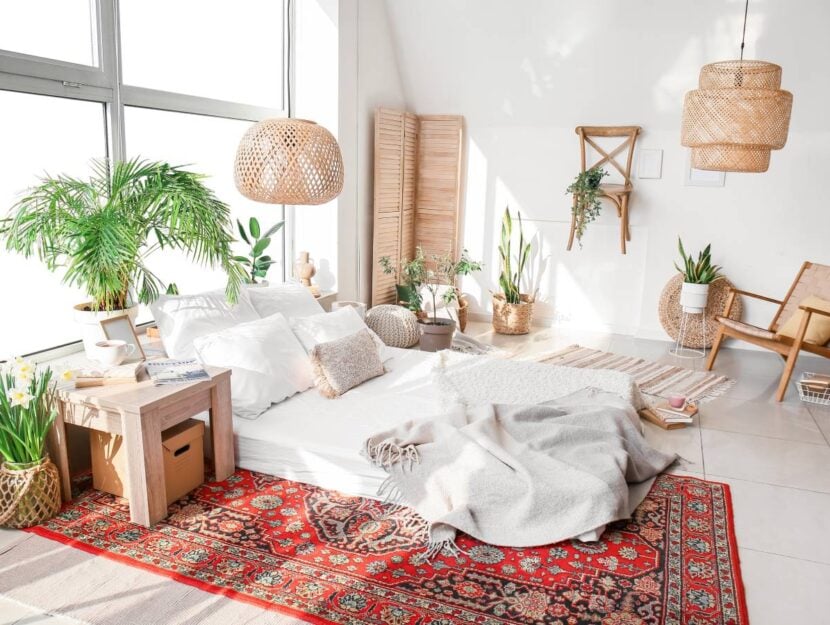
Rugs as an Investment: When an Antique Rug is Worth More Than a Work of Art
A 19th-century Persian rug sold at Christie's in London can fetch six-figure sums. Excellent quality antique oriental rugs behave like works of art over time: they appreciate in value, are rare, and those who can recognize them can make purchases with extraordinary potential for revaluation. This guide explains when and why.
When does a rug become an investment?
Not all rugs appreciate over time. For a rug to have investment potential, several factors must come together simultaneously:
- Age: A rug is considered "antique" if it is over 100 years old. "Semi-antique" is between 50 and 100 years. Modern rugs rarely have investment value, unless they are exceptionally crafted pieces.
- Recognizable Origin: Isfahan, Tabriz, Kashan, Qum, Heriz, Sultanabad, Senneh — the major manufacturing cities have an established secondary market.
- Condition of Preservation: A well-preserved antique rug, with vibrant colors, intact pile, and no invasive restoration, is exponentially more valuable than one in poor condition.
- Density and Quality of Craftsmanship: Only pieces of excellence have a collector's market. A fine Kashan with 400,000+ knots/sqm is in a different category than a village production.
- Documents of Provenance: Certificates of authenticity, auction records, noble provenances, or important collections increase value.

Which rugs have appreciated the most over time?
Data from major auction houses (Sotheby's, Christie's, Bonhams, Nagel) show clear trends:
- Safavid Carpets (16th-17th century): The oldest and rarest pieces. The "Ardabil Carpet" and similar are considered world heritage. Rarely available on the market.
- Fine Kashan Craftsmanship (late 19th-early 20th century): Very active market, constant appreciation. Mohtasham Kashans (named after the great weaver of the period) reach record prices.
- Isfahan Seirafian: The 20th-century Isfahan manufacture by a well-known name. Signed pieces sell for multiples compared to anonymous ones.
- Chinese Imperial Court Carpets: A separate but rapidly growing market, especially in Asia.
- Antique Quality Kilims and Flat-weaves: A growing segment with the revaluation of tribal aesthetics in contemporary design.
How to evaluate a rug's investment potential?
If you are considering a purchase with an investment perspective, here are the recommended steps:
- Have the piece appraised: Consult independent experts or auction houses for a professional estimate before purchasing.
- Verify documented provenance: Ask for certificates, previous sales, and historical photos if available.
- Compare auction prices: Databases of major auction houses (Sotheby's, Christie's) are public. Look for similar pieces by craftsmanship, period, and condition.
- Evaluate the state of preservation with an expert: Unprofessional restorations, re-dyed colors, and excessive integrations devalue the piece.
- Consider the time horizon: Rugs as an investment require time. It is not a liquid asset.
Collector's rug vs. decorative rug: which one to choose?
The distinction is fundamental. A good quality decorative rug can maintain its value over time but is unlikely to significantly appreciate. A collector's rug requires expertise, patience, and an active secondary market.
The advice for those new to the field: start with semi-antique pieces of recognizable craftsmanship, at reasonable prices, that you also find aesthetically pleasing. If the investment doesn't materialize, you still have a beautiful object that enriches your space.
How much is an authentic antique rug worth?
Value ranges vary enormously:
- Semi-antique Persian rug (50-80 years old), good craftsmanship, 200×300 cm: €800–2,500
- Antique Persian rug (100+ years old), excellent craftsmanship, medium size: €3,000–10,000
- Fine Kashan Mohtasham craftsmanship, 200×300 cm: €15,000–50,000
- Imperial/museum-quality pieces: no ceiling
Discover the selection of authentic antique rugs on CarpetLiving: carefully chosen pieces with documented provenance, for those seeking beauty and lasting value.


Share:
Jute Rugs: Natural, Sustainable, and Beautiful - A Complete Guide
Nain and Isfahan Carpets: The Excellences of Persian Craftsmanship