

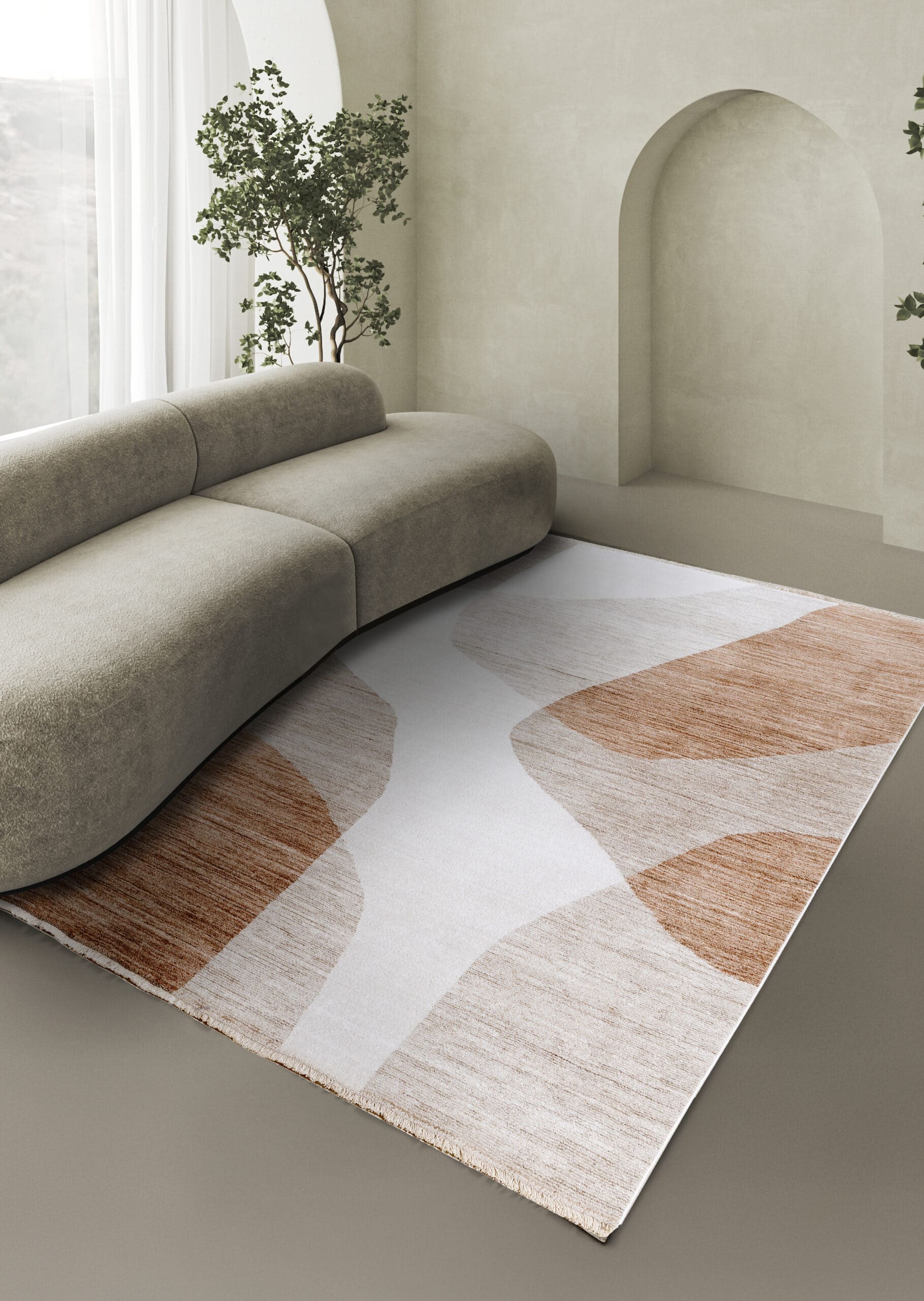
Geometric Rugs, Styles, Origins and How to Match Them in a Modern Home
Geometric rugs are among the most sought-after in interior design — and it's not a passing fad. The geometric pattern has existed since the first textile civilisations, from the Berber tribes of North Africa to the nomads of the central steppes. Today it coexists perfectly with contemporary design: clean, modular, versatile. But "geometric" is an umbrella term that covers very different styles — and understanding the differences helps you choose the right one for your home.
The main geometric-rug styles
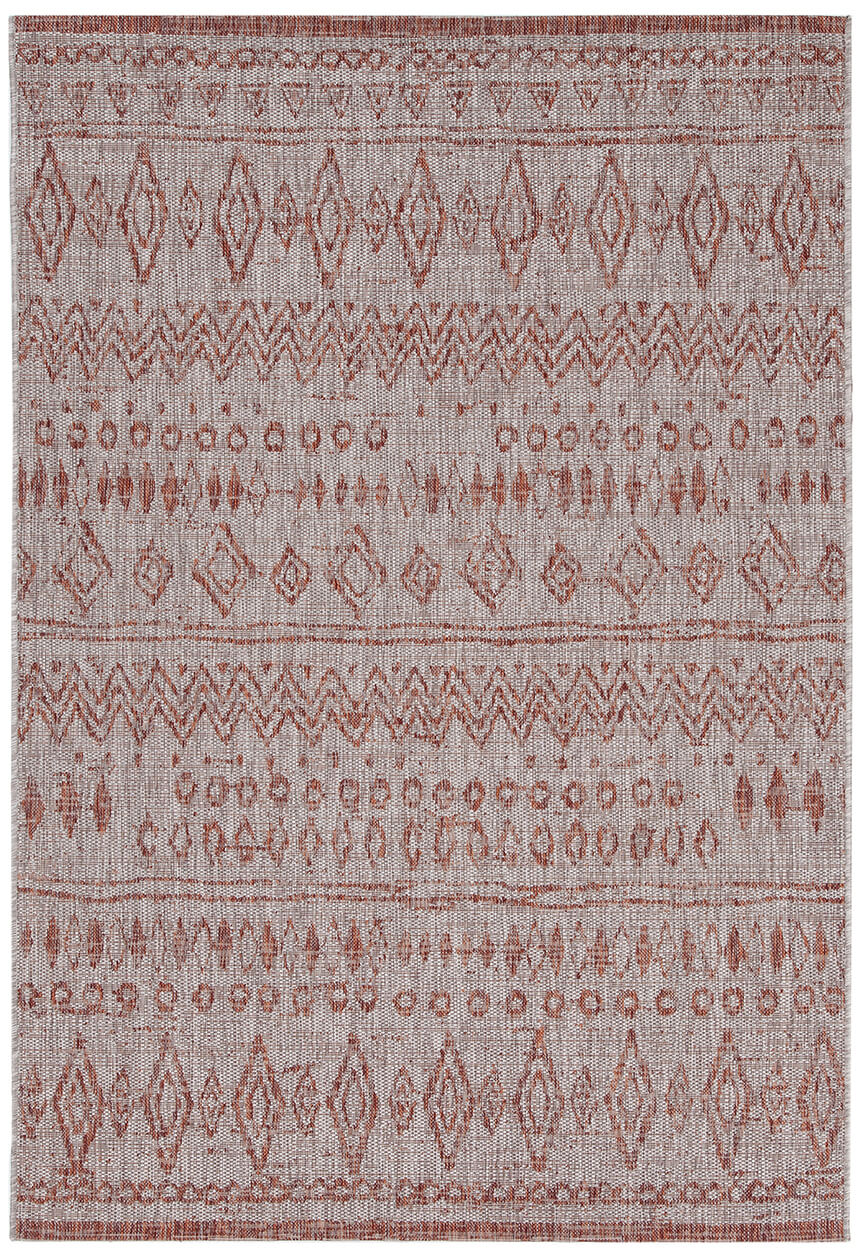
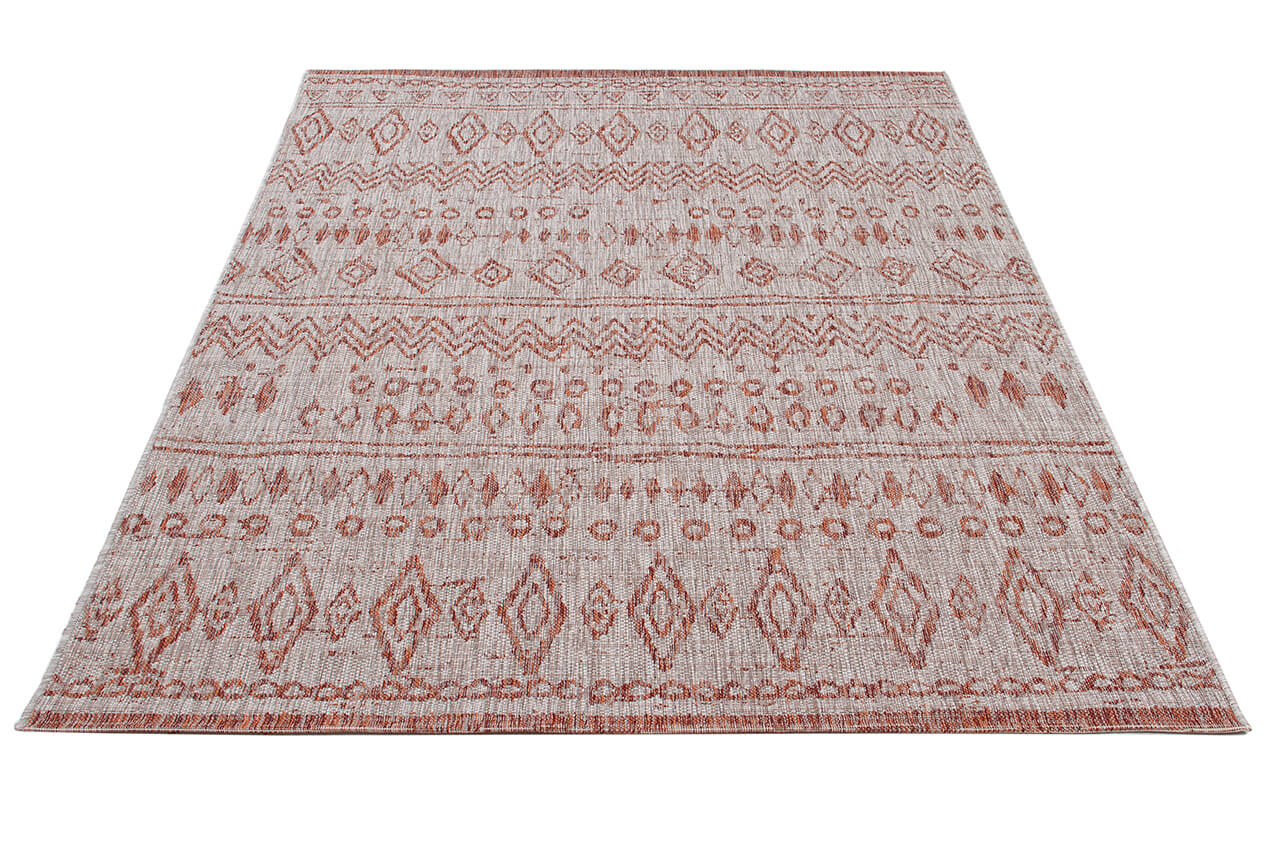
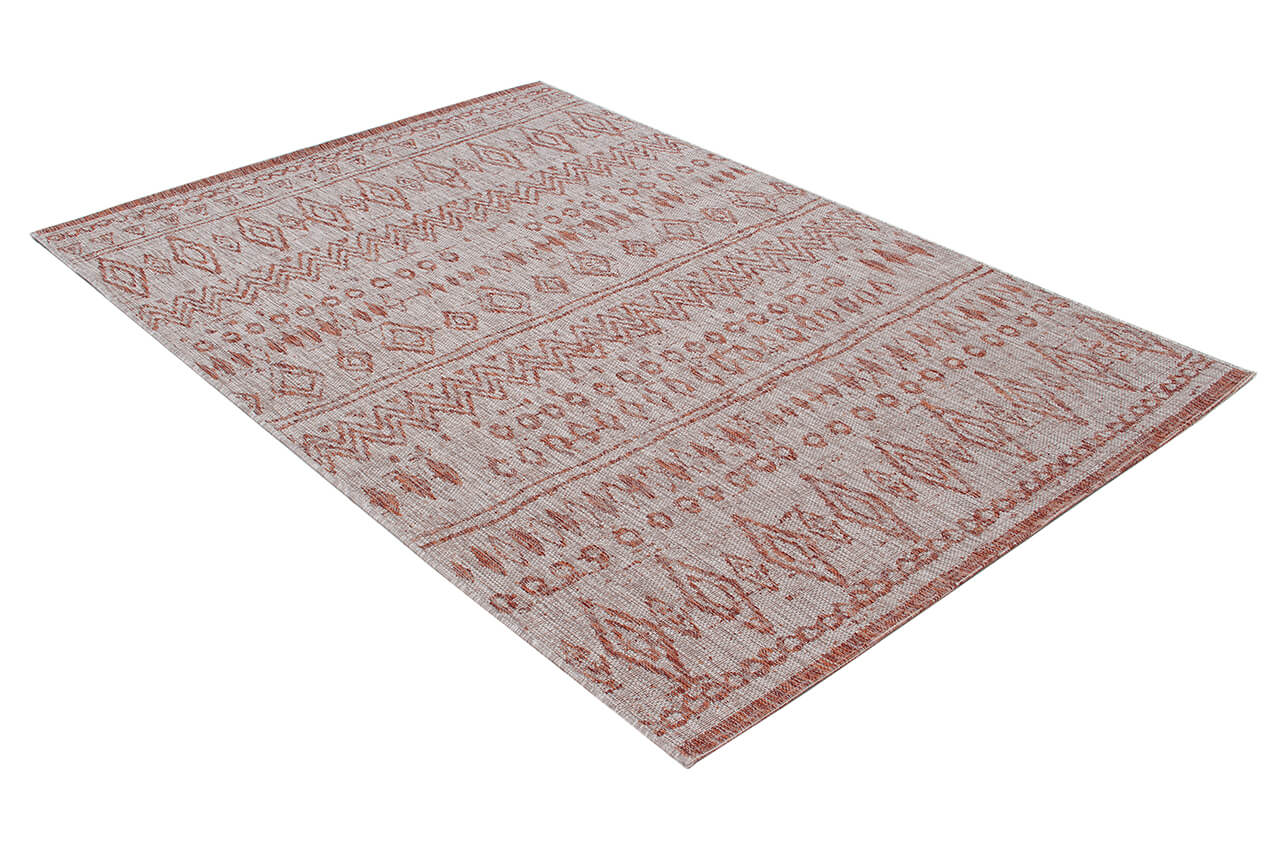
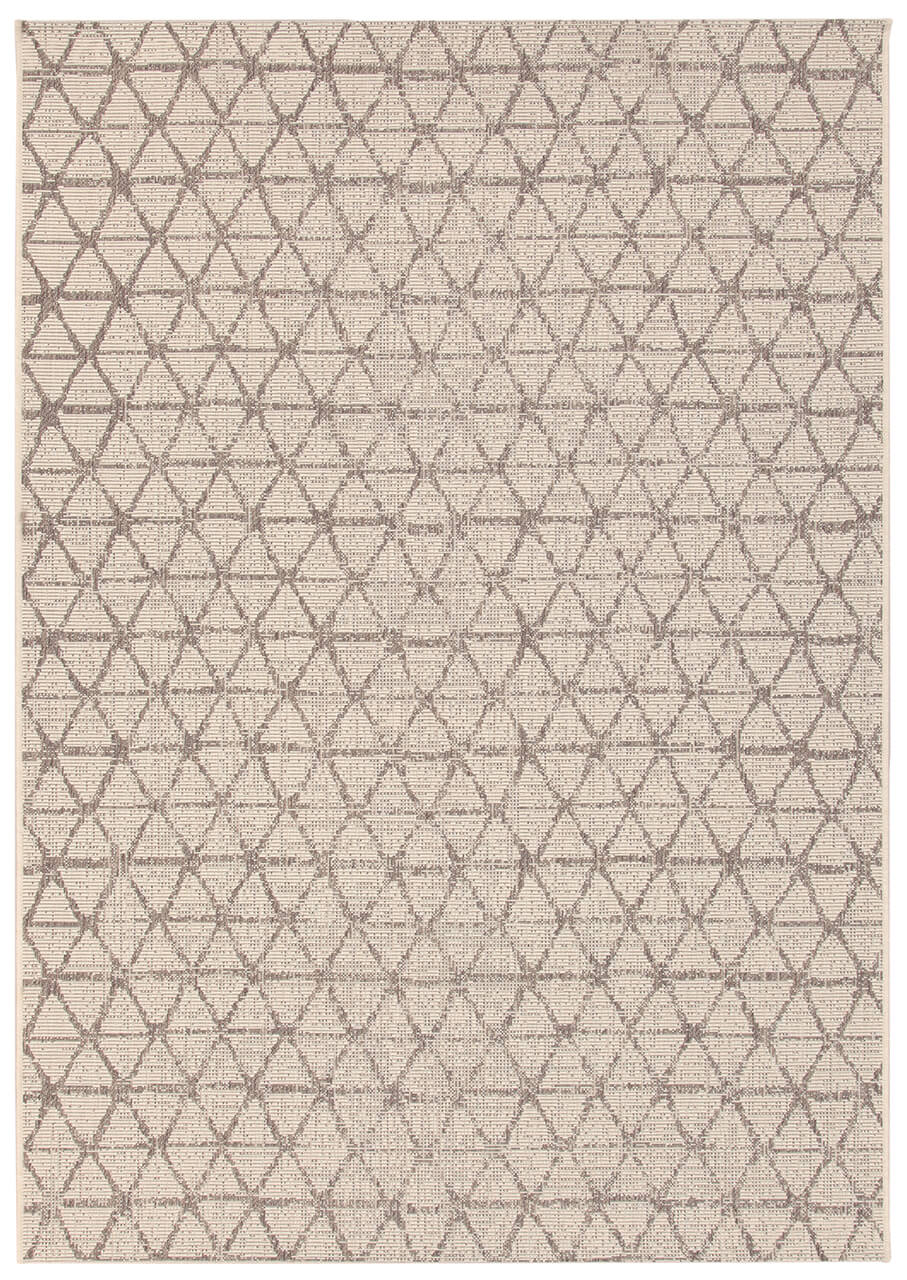
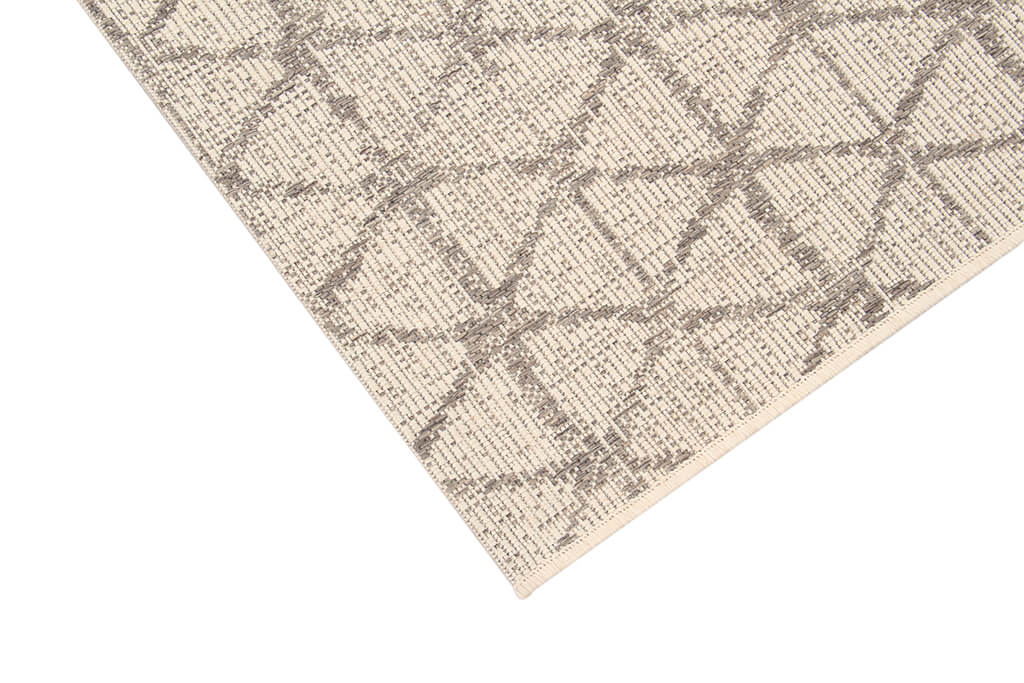
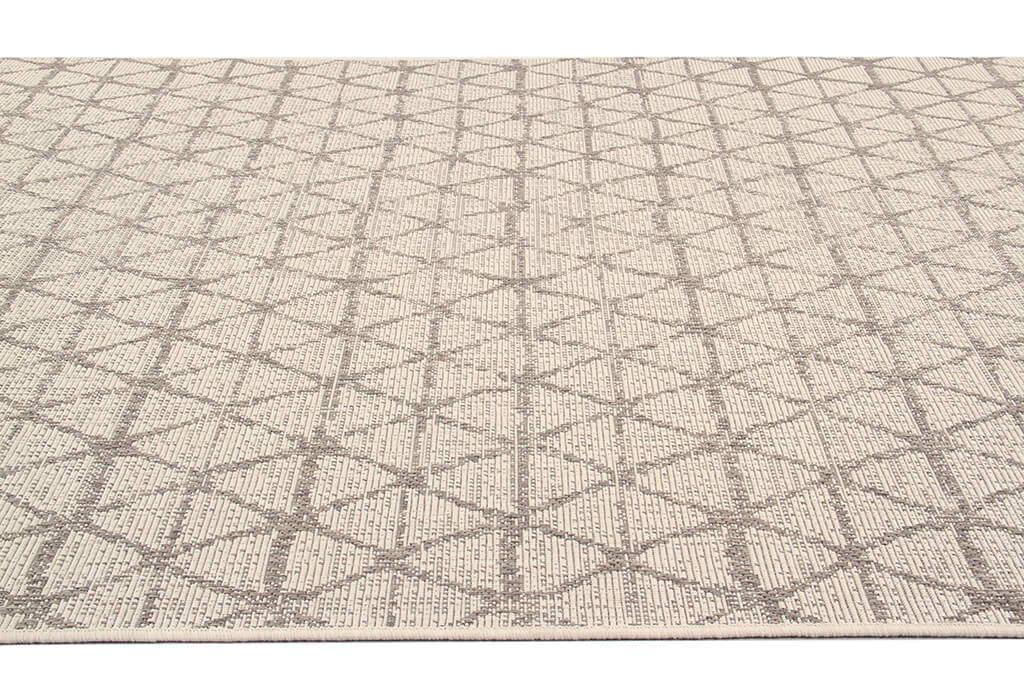
- Berber: the most authentic and recognisable geometric pattern. Lozenges, zigzags, triangles and tribal symbols in natural wool — usually ivory with decorations in brown, black or grey. Berber origin (Morocco, Algeria). It has an organic look: variations in size and symmetry are intentional, a sign of artisan manufacture. See CarpetLiving's Berber rugs and read our guide to Berber rugs.
- Geometric kilim: the kilim has always had geometric patterns — it's in its nature, because flat weaving lends itself to crisp lines more than pile does. Caucasian and Afghan kilims are particularly rich in complex geometric patterns: octagons, stars, angular medallions. The colours are strong: red, navy blue, forest green, orange. See CarpetLiving's kilim and our complete guide to kilim.
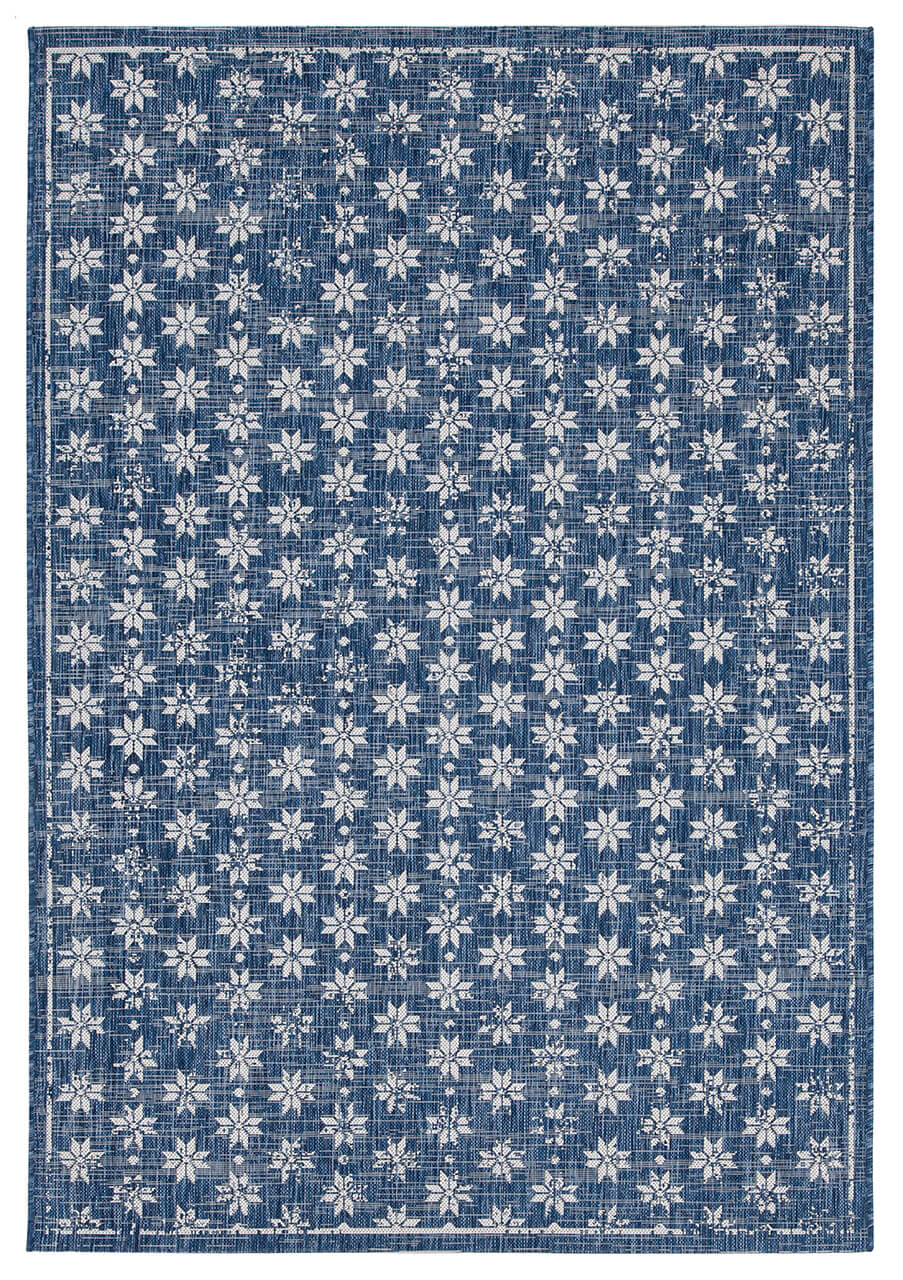
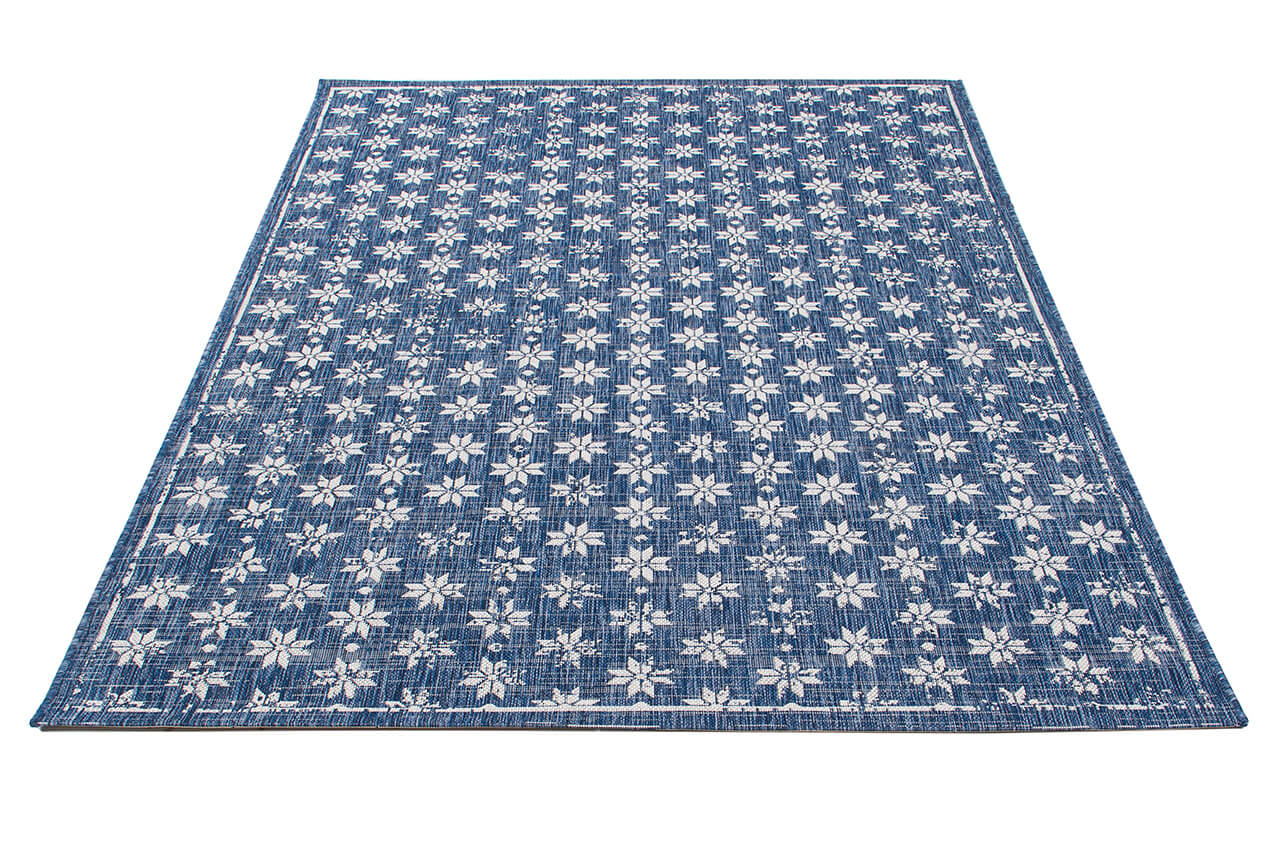
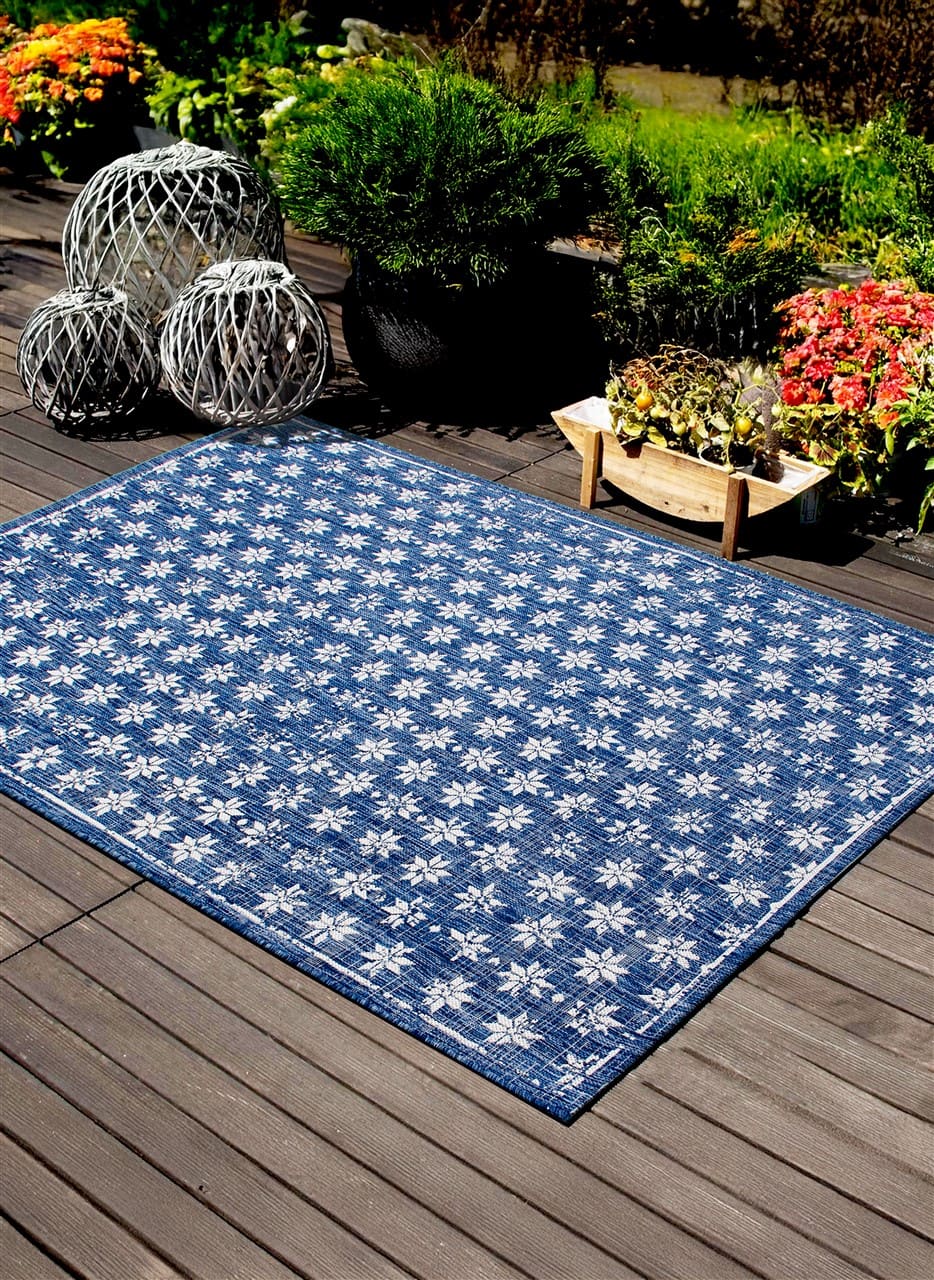
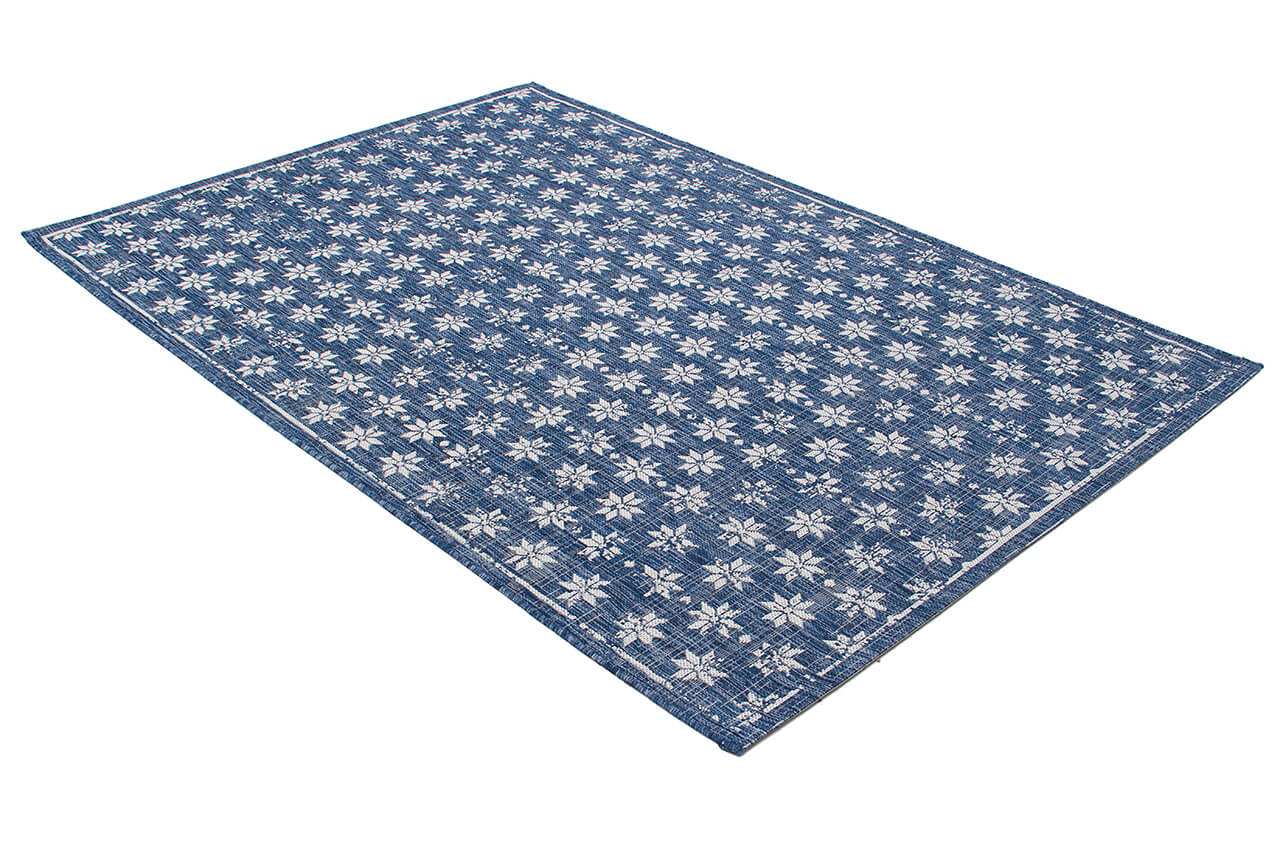
- Scandinavian geometric: abstract or nature-inspired patterns (reindeer, fir trees, stylised snowflakes) on neutral palettes — white, grey, beige, sometimes with a blue or terracotta accent. Hygge style applied to the rug: warm, minimalist, cosy.
- Contemporary/design geometric: abstract patterns with crisp lines, architectural proportions, often in black and white or monochrome palettes. Closer to contemporary art than to craft tradition. Great for minimal interiors and industrial lofts.
- Tribal Gabbeh: Persian rugs with naïve geometric patterns — human figures, animals, stylised shapes in bright colours on an ivory or red ground. A more narrative and spontaneous type of "geometric".

How to tell them apart: comparison table
| Style | Origin | Typical palette | Material | Suited to |
|---|---|---|---|---|
| Berber | Morocco / Algeria | Ivory + black/brown | Natural wool | Boho, Moroccan, Nordic styles |
| Geometric kilim | Afghanistan, Caucasus | Red, blue, green, orange | Wool (flat) | Ethnic, Moroccan, eclectic styles |
| Scandinavian | Northern Europe | White, grey, beige | Wool, cotton | Nordic, Hygge, minimal styles |
| Contemporary | Modern design | White/black, monochrome | Various | Minimal, loft, industrial |
| Tribal Gabbeh | Iran (tribal) | Bright colours on ivory ground | Wool | Ethnic, colourful, folk styles |
How to match geometric rugs with your decor
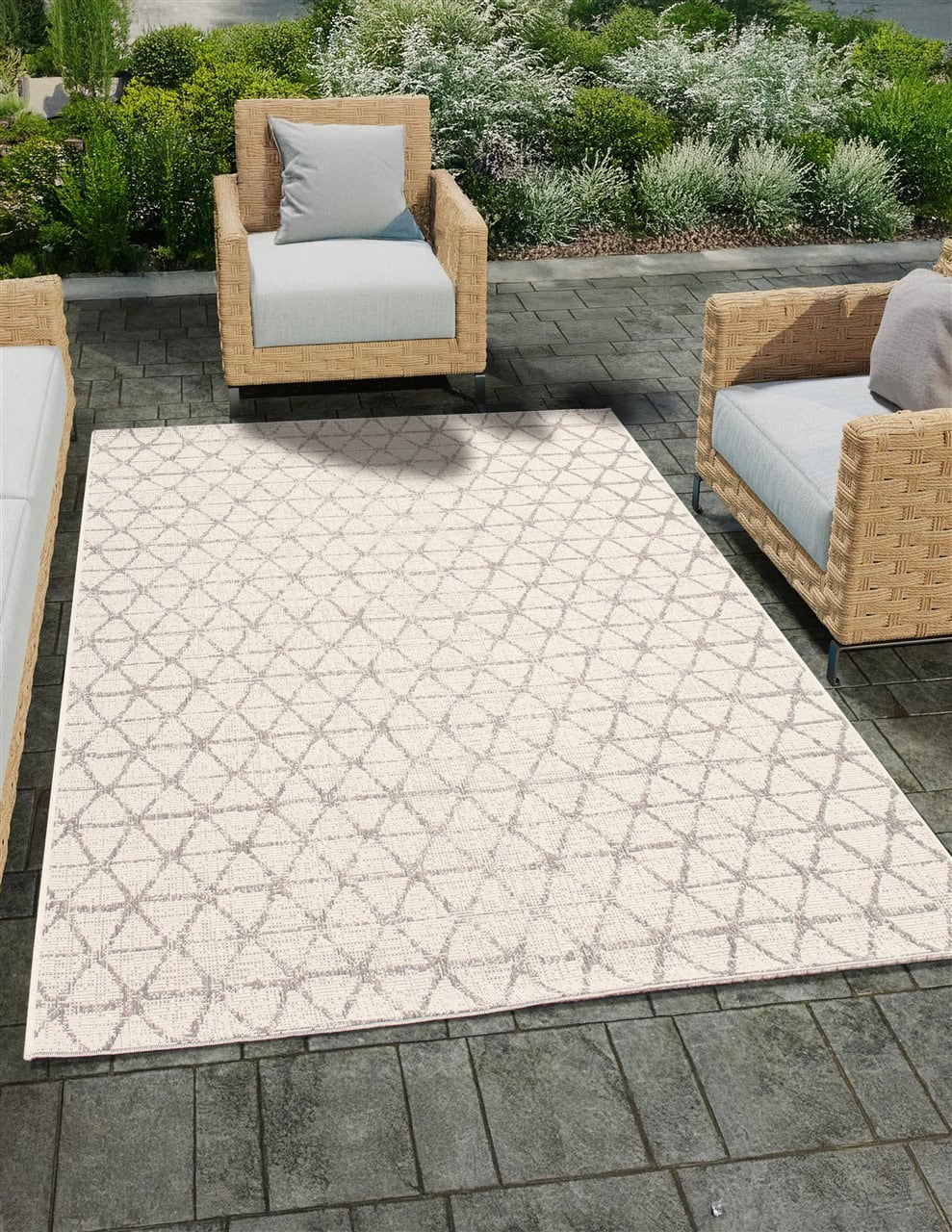
The fundamental rule: a geometric rug already does a lot on its own. It doesn't need to compete with other pattern-heavy surfaces.
- With a solid-colour sofa: the most classic and safest combination. A neutral sofa (grey, beige, white) highlights the rug's pattern without creating visual conflict.
- With white or light-grey walls: neutral walls amplify the impact of the geometric pattern. In an all-white room, a colourful kilim or an ivory/black Berber becomes the star.
- With wood: parquet floors and natural-wood furniture pair perfectly with any ethnic geometric rug — Berber, kilim, gabbeh. The warmth of the wood balances the rigidity of the pattern.
- With smaller patterns: if you have striped or polka-dot cushions, a geometric rug can coexist provided the scale of the patterns is different (rug: large pattern; cushions: small pattern).
In which rooms should you use geometric rugs?
- Living room: the ideal setting. A large geometric rug (200×300 cm or more) unifies the living area with visual strength.
- Bedroom: a colourful kilim at the foot of the bed or an ivory Berber to the side brings character without overloading.
- Entrance: a geometric kilim runner in the entrance makes an immediate impression on those who enter. It stands up well to traffic thanks to its robust construction.
- Study: a contemporary geometric rug (black/white or monochrome) in a study adds personality without distracting.

Geometric rugs at CarpetLiving
CarpetLiving offers one of the widest selections of geometric rugs: from natural-wool Berbers to Afghan and Caucasian geometric kilims, through to the selection of contemporary geometric rugs. Every product is described with its style of origin, material and available sizes.
Geometric rugs, in summary
- Five main styles: Berber, geometric kilim, Scandinavian, contemporary, tribal Gabbeh
- The most versatile for the modern home: ivory Berber + black decorations, or the colourful Afghan kilim
- Golden rule: pair with neutral surfaces (solid-colour sofa, white walls) for maximum impact
- Works in the living room, bedroom, entrance, study
- Avoid pairing with walls or furniture already heavy with pattern


Share:
Rug Under the Sofa, On Top or In Front? The Definitive Guide
Taimany Rugs, History, Features and Why They're Among the Best Sellers