

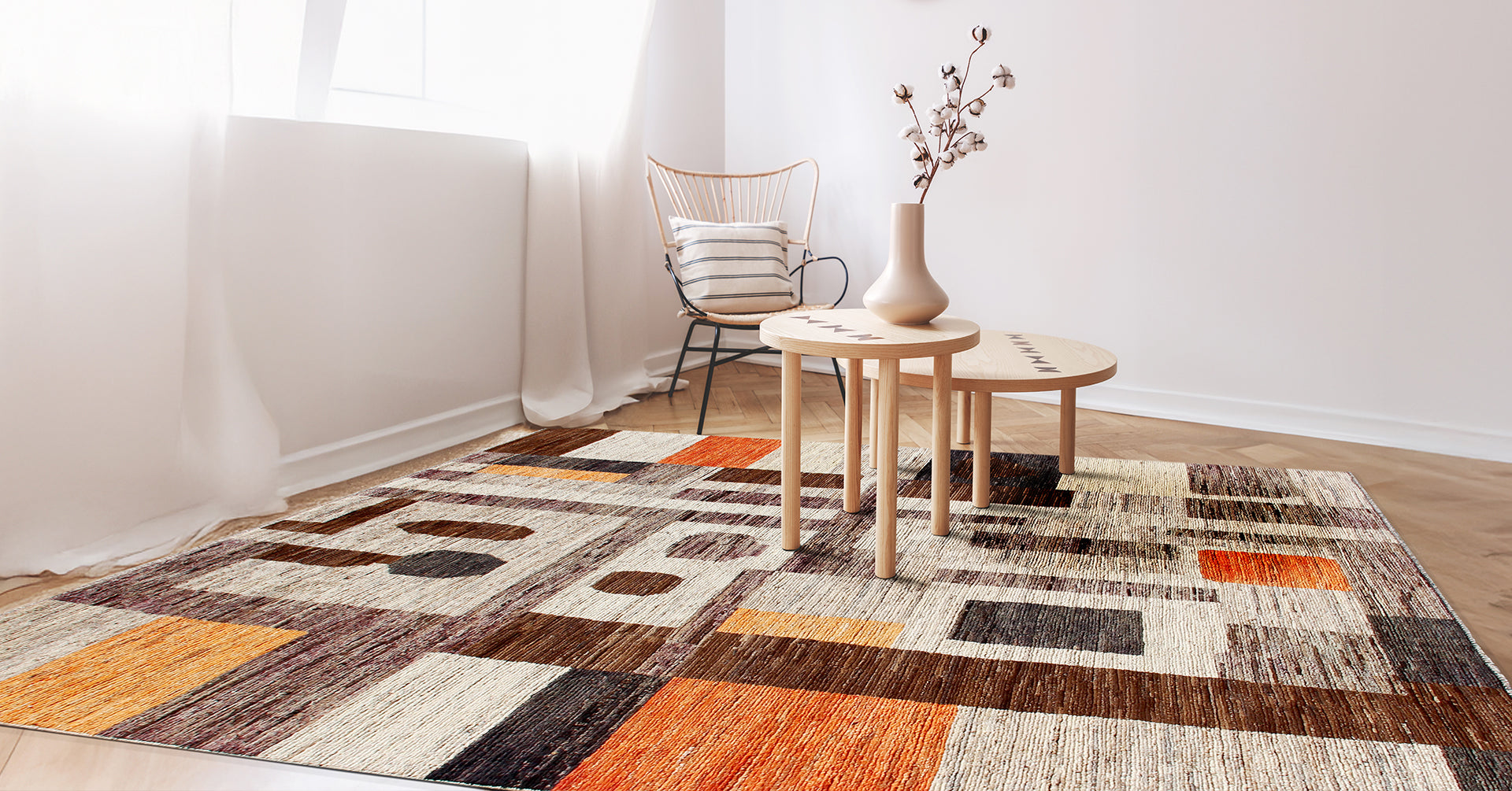
The Berber rug is one of the most beloved in the world for a simple reason: it combines artisanal authenticity, visual warmth, and rare versatility. Originating in the mountains of Morocco, woven by women of the Berber tribes, it has become one of the most sought-after elements in contemporary interior design. In this guide, you'll find everything you need to know to choose the right one.

What is a Berber rug?
A Berber rug is a traditional rug produced by the Berber (Amazigh) people of North Africa, particularly Morocco. It is characterized by:
- Long, soft pile, made from raw sheep's wool
- Abstract geometric patterns, often asymmetrical, with diamonds, zigzags, and tribal symbols
- Reduced palette: ivory, cream, grey, black, with coloured inserts or completely white
- Hand-woven on traditional vertical looms
The name "Berber" comes from the Greek term barbaros, used by the Romans to refer to the non-Romanized populations of North Africa. Today, it is the term used to identify the Amazigh tribes of Morocco, Algeria, Tunisia, and Libya.
Origins and Berber people: Morocco as the heart of production
The most prized Berber rugs come from the tribes of the Moroccan Atlas Mountains. The most famous are:
- Beni Ourain: The tribes of the High Atlas. They produce the most iconic Berbers: ivory or cream background, dark geometries, high and very soft pile. They are the quintessential living room Berbers.
- Boucherouite: Upcycled rugs, woven with strips of recycled fabric. Very colorful, thinner, used as a decorative accent.
- Azilal: Tribes of the Central Atlas. More vibrant patterns, a wider palette than Beni Ourain, with red, yellow, and blue inserts.
- Taznakht: Ouarzazate area. More regular motifs, warm colors, closer to the Berber rugs of the south.
Berber sheep's wool: why it's special
The quality of a Berber rug begins with the wool. The sheep in the Atlas Mountains live at high altitudes and produce particularly dense, oily, and resistant wool. This wool:
- Has a higher natural lanolin content, which makes it naturally water-repellent
- Regulates temperature (cool in summer, warm in winter)
- Does not easily retain odours
- Develops a patina over time that enhances the rug's appearance
Authentic Berbers use unbleached, raw wool. The natural ivory color varies slightly from piece to piece: it is the signature of craftsmanship.

Berber patterns: geometries and meaning
The patterns on Berber rugs are not just decorative: each symbol has a meaning. Berber women wove messages about fertility, protection, travel, and family into their rugs. The most recurring geometries are:
- Diamonds: protection and fertility
- Zigzags and waves: water, life, and continuity
- Crosses and stars: protection from evil spirits
- Broken lines: travel and change
Every authentic piece is unique: weavers do not work from pre-established designs but improvise, following orally transmitted traditions. This is why no two Berbers are identical.
White Berber vs. colored Berber: which to choose?
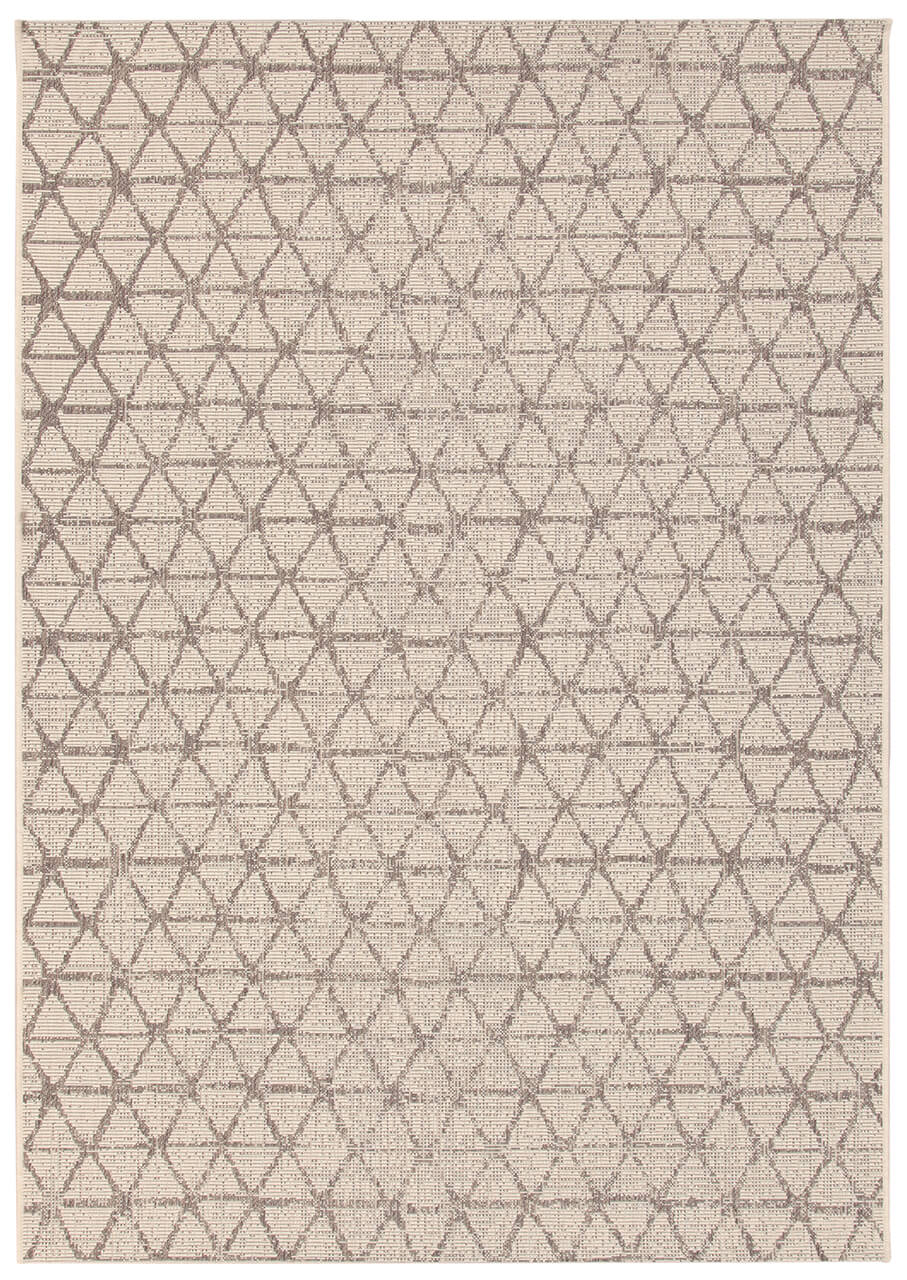
White/ivory Berber (Beni Ourain style) is the most versatile. It works in almost any environment: from minimalist Nordic to modern Italian, from industrial to eclectic. The light background makes spaces appear brighter and larger.
Coloured Berber (Azilal or Boucherouite style) brings character and vibrancy. It is ideal in already neutral environments looking for a pop of color, or in children's rooms and relaxation areas where the lively palette creates cheer.
Practical rule: If you don't know where to start, choose a white/ivory Berber. It's the safest and most timeless choice.
How to style a Berber rug in your home
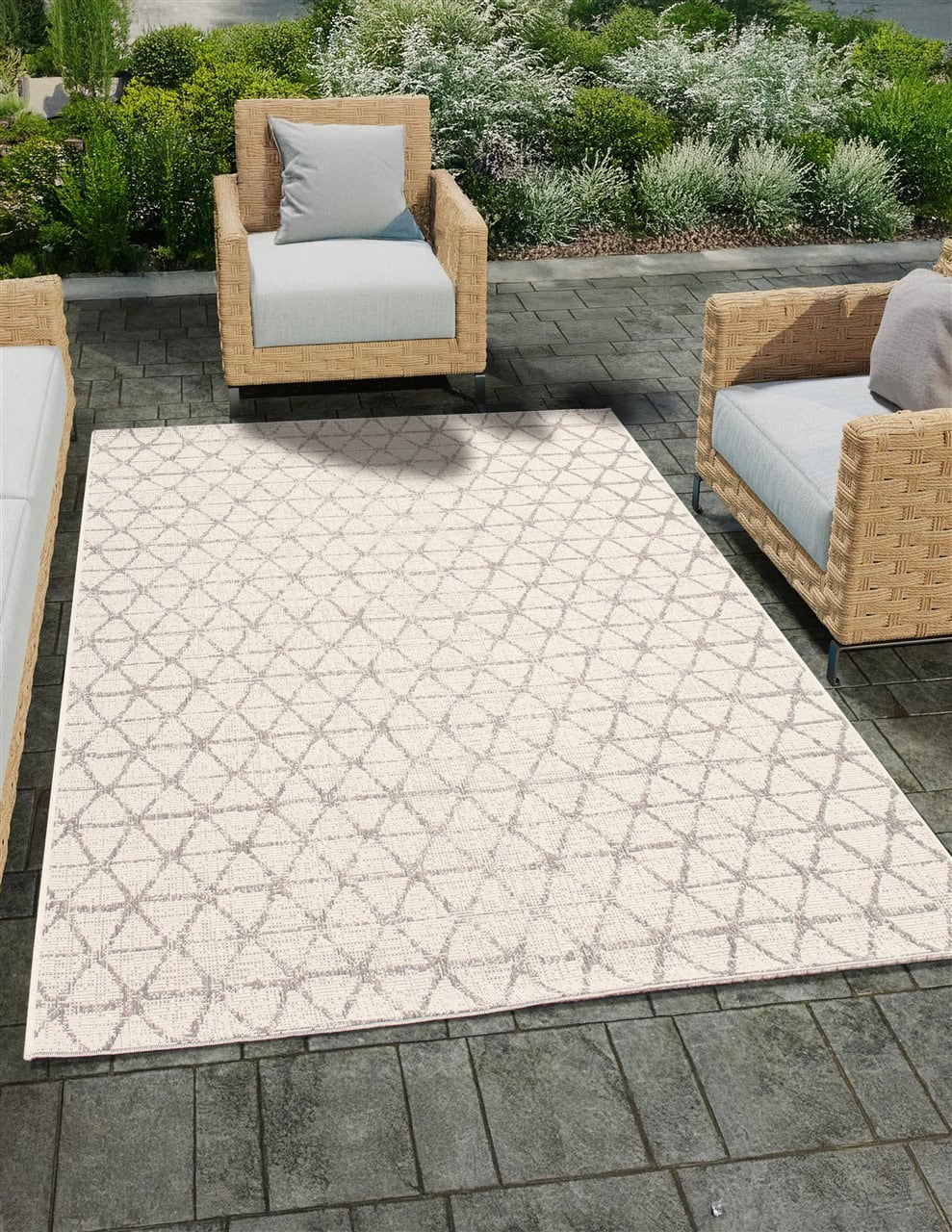
- Living room: The Berber is perfect under the sofa or in the center of the living room. The high pile creates a soft and inviting area. It works well with leather sofas, neutral fabrics, natural wood.
- Bedroom: at the foot of the bed to feel something soft and warm as soon as you get up. Sizes 200x140 or 230x160 are ideal.
- Study or reading area: under an armchair and a reading lamp. The Berber creates an intimate and cozy atmosphere.
Color pairing: Ivory Berber goes with everything. For colored Berbers, choose solid-colored curtains and cushions that echo one of the rug's colors without replicating its vibrancy.

Is a Berber rug suitable for the living room?
Yes, it is one of the most suitable rugs for the living room. The high wool pile is comfortable underfoot, absorbs footfall noise and echoes, and the neutral ivory/geometric palette adapts to practically any decor style. The only precaution: in high-traffic living rooms, choose a Berber with a shorter pile (2-3 cm) for easier maintenance.
Berber vs. kilim: which to choose?
The choice depends on the effect you want to achieve:
- Choose the Berber if you want softness, visual warmth, high pile, an organic and natural style. It's warmer underfoot and has a "softer" visual impact.
- Choose the kilim if you want a flat weave, lightness, vibrant colors, and a more graphic and geometric element. It's easier to clean and can also be used as wall decor.
In many homes, both coexist well: the Berber in the bedroom or relaxation area, the kilim in the entryway or hallway.
How to clean a Berber rug
The high wool pile can trap dust more easily than a flat rug. Here are the basic rules:
- Vacuum once a week, with a soft-bristle brush (no aggressive rotating head)
- Shake the rug outdoors periodically to remove fine dust
- For stains: blot immediately with a damp cloth and neutral detergent, from the outside towards the center
- Deep cleaning should be entrusted to a specialized laundry service. Avoid washing large pieces in a washing machine.
- Rotate the rug every 6 months to prevent uneven wear in high-traffic areas
Why choose a Berber rug from CarpetLiving
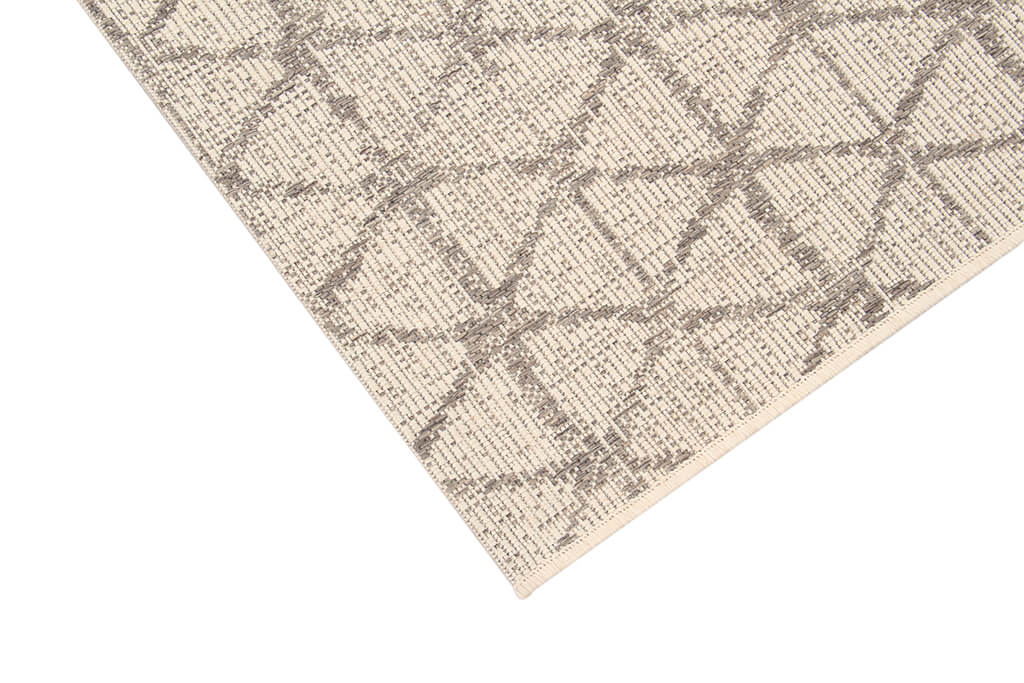
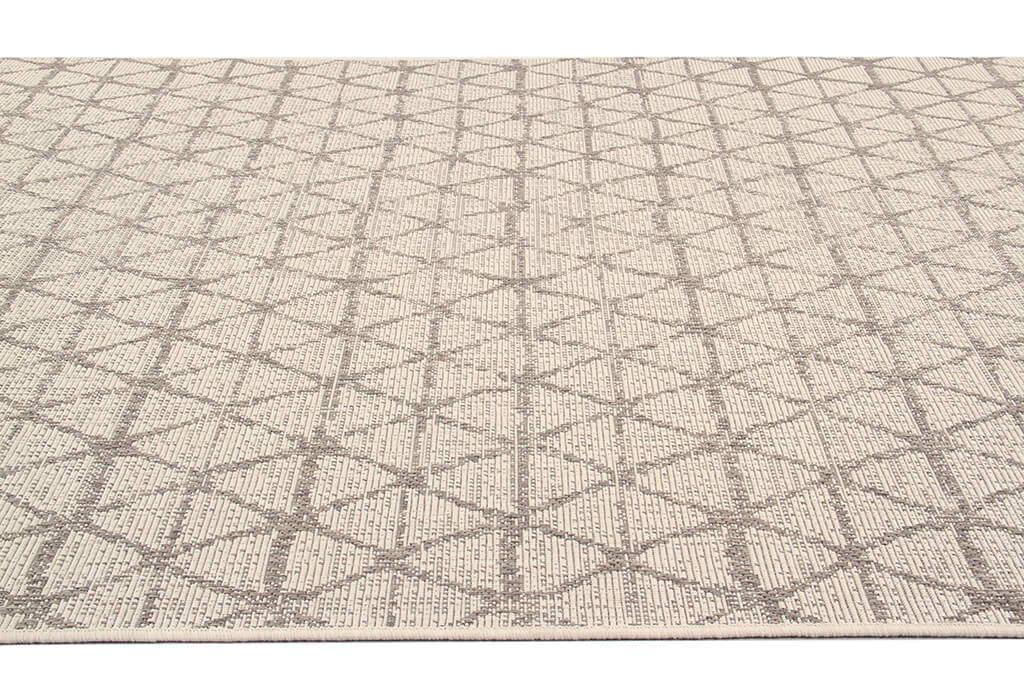
CarpetLiving offers a selection of Berber and Berber-style rugs for every need: from classic ivory with dark geometries to more contemporary models in a neutral palette. Each product is described with its composition, actual measurements, and maintenance instructions.
→ Browse the Berber rug collection
Everything you need to know about Berber rugs: summary
- Originates from the Amazigh tribes of Morocco (Beni Ourain, Azilal, Taznakht)
- Raw sheep's wool, naturally water-repellent, long and soft pile
- Geometric patterns with symbolic meaning, each piece is unique
- The white/ivory Berber is the most versatile: works with any decor
- Ideal in the living room, bedroom, reading area
- Regular vacuuming for maintenance; blot stains immediately


Share:
Home Staging with Rugs: How to Increase the Perceived Value of a Property for Sale
Ziegler Carpet: History, Manufacturing, and How to Combine it with Contemporary Decor