


In the kitchen, a rug serves a very different purpose compared to the bedroom. Here, the floor is subject to spills, dropped items, and heavy foot traffic, so the right rug must combine durability and practicality. A kitchen rug can add comfort (if you spend a lot of time cooking, a soft rug underfoot can alleviate fatigue), protect the floor from scratches, and make the environment more aesthetically pleasing. However, the kitchen environment presents unique challenges: the rug will inevitably be exposed to liquid spills or food stains. For this reason, it's best to opt for materials and styles that are easy to clean and safe.

Why put a rug in the kitchen?
A kitchen rug primarily serves to create comfort and protect the floor. It acts as an anti-fatigue mat: when cooking or preparing food, you often stand for many minutes; a soft rug helps reduce the strain on joints compared to a hard floor. Additionally, the rug can absorb small splashes (water, oil, food), reducing the risk of slipping on wet floors. It is also a decorative element that enhances the kitchen, matches the table to the wall, or adds a touch of color to an often monochromatic environment. Finally, a rug helps to reduce the noise of footsteps and utensils in an open-plan environment (especially if the kitchen is connected to other rooms), making the house quieter.
What materials should you choose for kitchen rugs?
In the kitchen, it is essential to focus on resistant, waterproof, and easy-to-clean materials. Here are the most suitable solutions:
-
Synthetic fibers (polypropylene, polyester, nylon): These are among the most suitable for the kitchen environment because they resist stains and abrasions. A good quality polypropylene or polyester rug can be cleaned with a quick wipe of a damp cloth or even machine-washed (if the instructions allow). Furthermore, these fibers do not absorb odors and dry quickly.
-
Washable cotton: If you prefer natural materials, 100% cotton is a good choice, provided it's a relatively flat and robust rug. Cotton rugs are often completely machine washable (at low temperatures), which makes them practical for degreasing after culinary incidents. However, since cotton retains water, it may need to be air-dried, so very large rugs should have their instructions checked.
-
Sisal or jute (flat weave): Natural woven fiber rugs like sisal or jute have a rigid weave and no pile, so dirt particles mainly remain on the surface. They can be ideal mats to pair with a tiled floor because they don't easily deform, but they need to be vacuumed frequently (they cannot be machine-washed).
-
PVC or rubber: There are also PVC rugs with printed patterns, useful for quick prep areas. These rugs are waterproof and can be cleaned in an instant with a damp cloth. They often also have an integrated non-slip backing.
What to avoid
Avoid long-pile rugs in the kitchen: they quickly absorb liquids and stain deeply, in addition to being difficult to clean. They are not suitable for environments exposed to water or oil. It's also best to avoid overly decorative rugs that could be damaged by daily use.
What shape, color, and size for the kitchen?
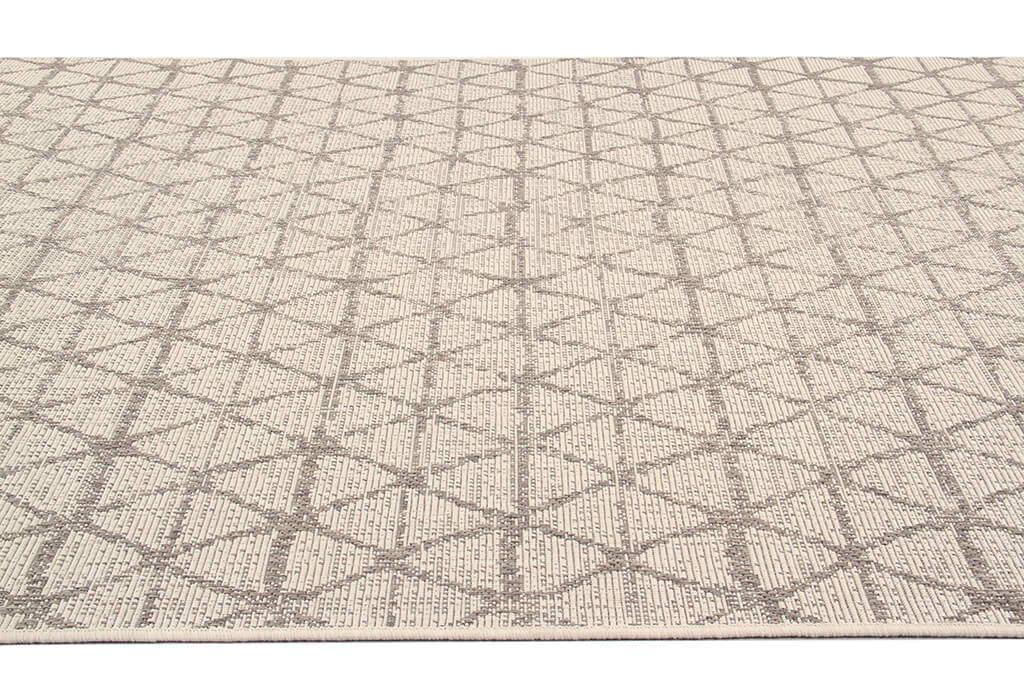
The choice of rug shape depends on the kitchen's layout. In narrow hallways or long linear kitchens, a long, narrow runner is often used, suitable for placing alongside appliances and countertops. For larger kitchens, a rectangular rug in front of the sink or table can be chosen. As for colors and patterns, favor tones that hide stains (for example, earthy shades, dark gray, floral patterns) and geometric patterns or stripes to divert the eye from small smudges. A dark or patterned rug with discreet floral motifs is often functional because it camouflages traces of daily use.

How to ensure safety with kitchen rugs?
The kitchen is an area at risk of slips, so it's essential to use rugs with a non-slip backing or add a non-slip rug pad underneath. A rubberized underside or a non-slip mesh between the rug and the floor significantly increases safety, preventing the rug from sliding on shiny tiles. This simple precaution is essential, especially near the sink or stove, where surfaces can inadvertently get wet. Always check that rugs are lying flat and do not have curled corners (which could cause trips). Finally, avoid fraying or loose fringes: a clean, flat rug edge is much safer in the kitchen.
How to clean and maintain kitchen rugs?
Regular maintenance is essential for kitchen rugs. Follow these steps:
-
Vacuum frequently: As in other rooms, remove crumbs and dust daily or at short intervals. In the kitchen, this is crucial given the high traffic.
-
Immediate stain cleaning: Blot food or liquid spills immediately to prevent them from penetrating deeply. A gentle fabric-specific detergent, or a mixture of water and white vinegar, can be useful. Absorb excess liquids with paper towels and then wash with neutral detergent.
-
Machine washing: If the rug allows it (check the label), machine washing is the most effective method for sanitizing it. Synthetic fibers in particular can often be washed at 30°C without problems.
-
Quick drying: After washing, make sure to thoroughly dry the rug in the open air or with a professional dryer. Residual moisture encourages bad odors and mold formation.
-
Periodic treatments: Occasionally, shake and beat the rug outdoors (if its size permits) to remove dust and small embedded debris. For a deeper clean, you can entrust it to a professional rug cleaning service, especially if it is made of delicate material like short-pile cotton.
By following these tips, the rug will maintain a beautiful aesthetic appearance for a long time and will not compromise kitchen hygiene.
A kitchen rug must combine form and function: choose robust, non-slip, and easily washable materials to make it a worry-free daily ally. Opt for colors that hide dirt and sizes appropriate for the room. With the right care, the rug can last for years, making the kitchen more comfortable and aesthetically pleasing. To discover rugs suitable for the kitchen – from modern runners to washable rugs and natural fibers – visit the CarpetLiving catalog. You will find many practical and stylish solutions to complete your kitchen with a touch of safe and functional design.




Share:
How to choose the right rug for your bedroom
Rugs and children: how to furnish a safe and welcoming bedroom