

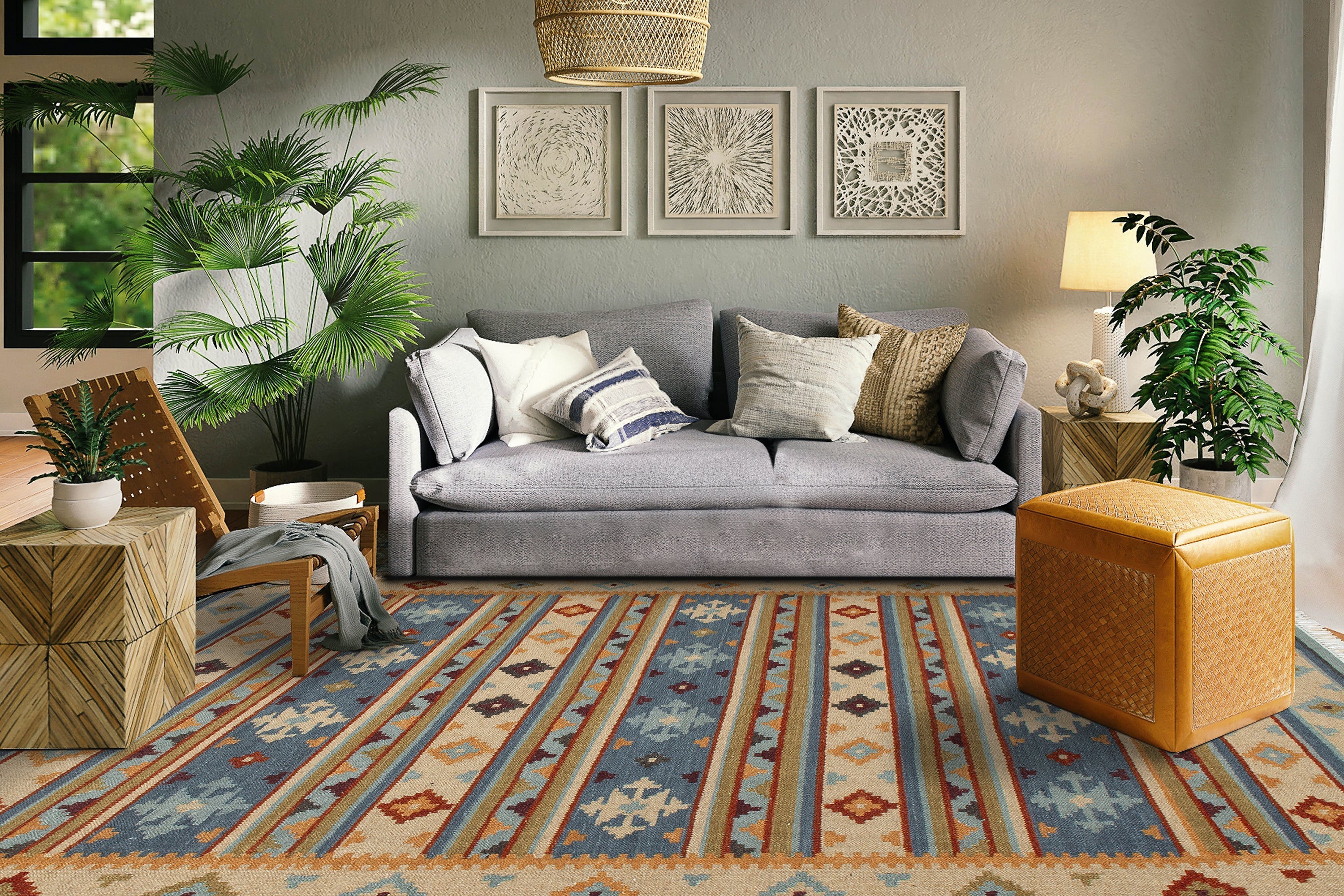
If you have a dog or cat, you know it: a rug is not just a rug. It's a place. It's where they lie down after a walk, where they take their first afternoon nap, where they enthusiastically shake themselves (and you realize the universe is not on your side), where every now and then they decide that spot is the best for playing.
And here arises the classic dilemma: “Do I remove the rugs or keep them?”
The honest answer is: you keep them, but you choose them logically.
“Pet-friendly” does not mean indestructible. It means compatible with real life: fur, claws, stains, odors. And above all: it means you can manage it without feeling guilty every time the house isn't perfect.

Dog or cat at home: it changes more than you think
A dog often brings:
-
moisture (paws, rain, sudden returns)
-
“outside” dirt
-
fur that comes in waves, especially during certain seasons
A cat, on the other hand, adds a technical element:
-
claws and snags
-
attraction to textures that "offer a grip"
-
small marks concentrated in specific areas (where they like to be)
It's not a tragedy: it's just choosing a rug like you would choose a shoe. If you walk a lot, you don't buy delicate "ceremonial" shoes for everyday wear.
The big misunderstanding: long pile in rugs isn't "more comfortable" for everyone
Yes, long pile is soft. But with animals, it often becomes:
-
a fur magnet
-
a dust trap
-
a rug that looks “tired” faster
-
a surface that is harder to vacuum properly
If you love the soft effect, you can do it, but you need to know that it will require more maintenance.
For daily serenity, often win:
-
dense short pile
-
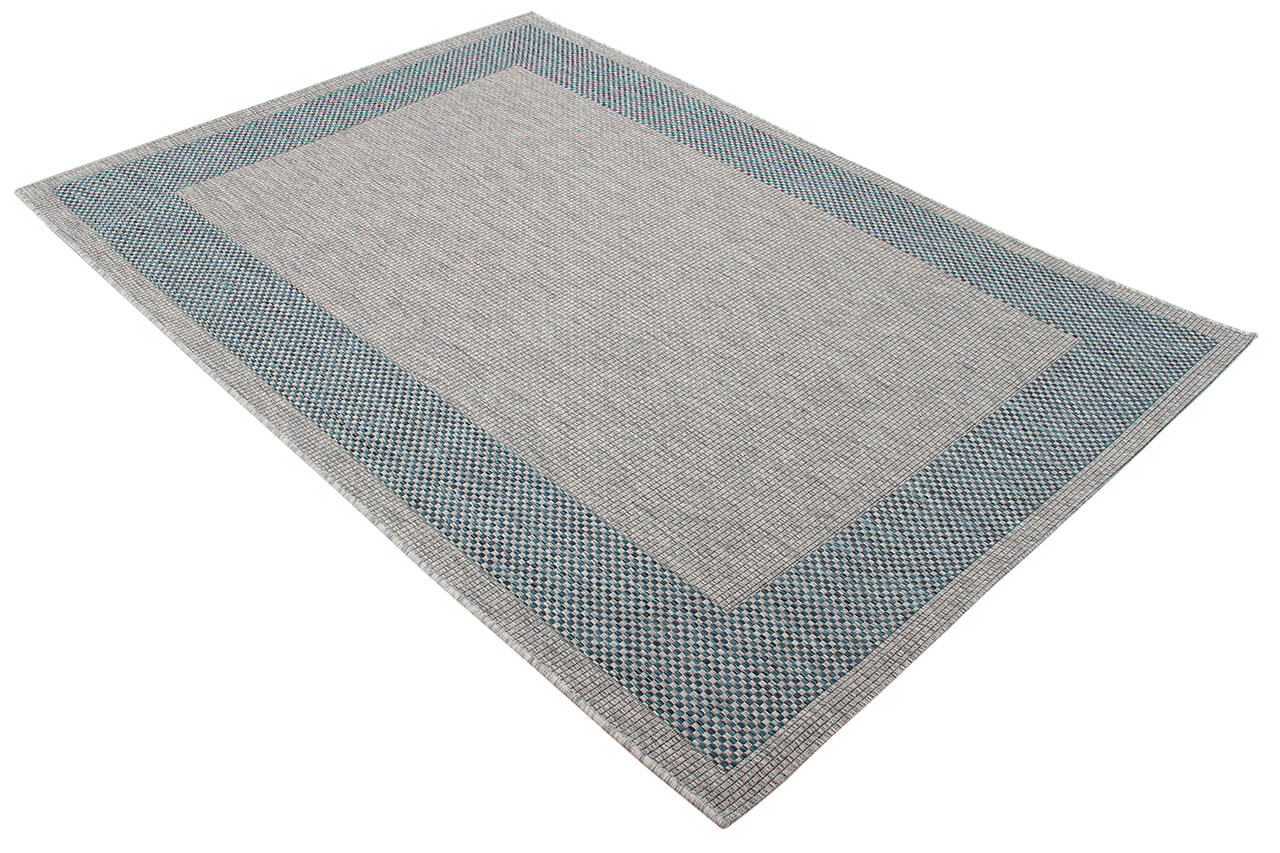
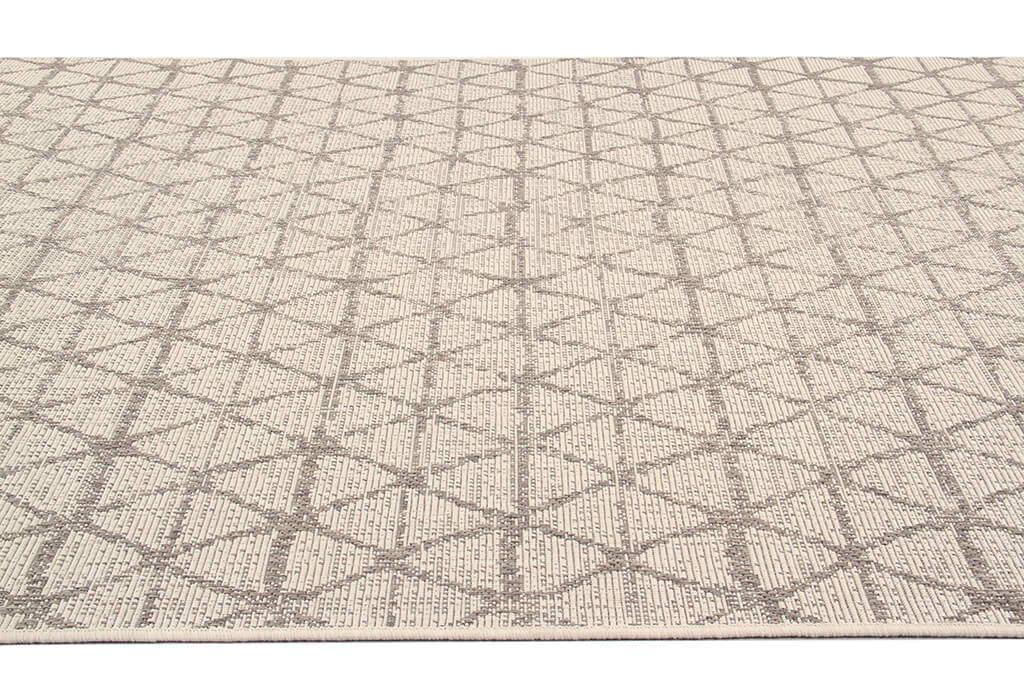
flatweave
These are rugs that don't look as good in photos as a very long pile, but they make your life better. And living better is a dignified goal.

The real difference is made by the rug's weave
The weave is the part no one really looks at when buying online... and then everyone notices it afterwards.
-
Too open weaves: fur gets caught, claws pull threads, small damages become big.
-
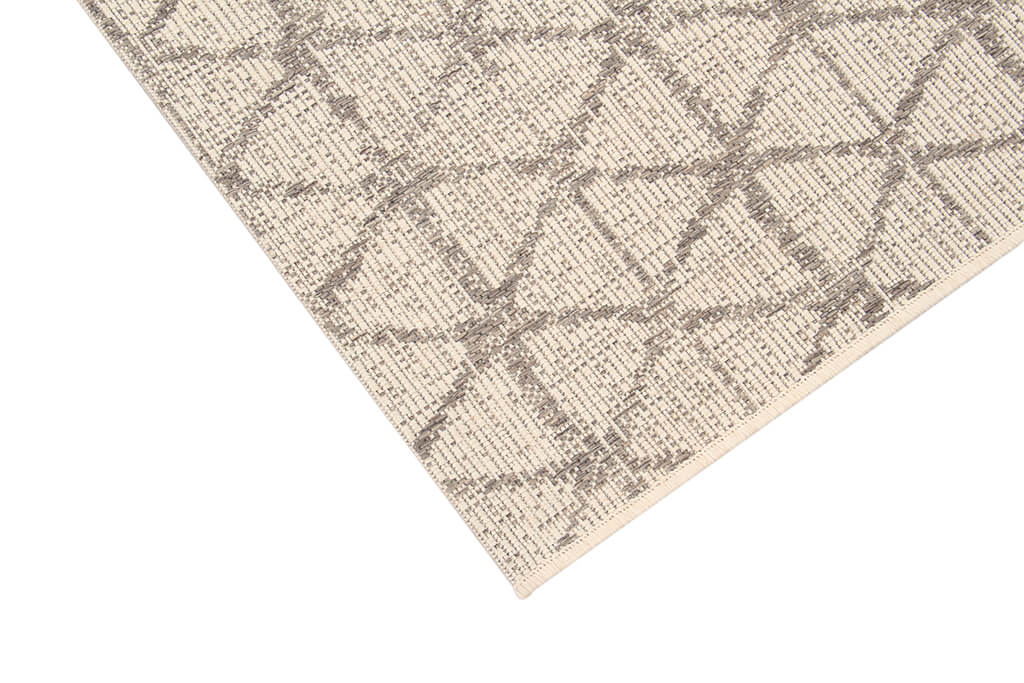
Compact weaves: easier to clean, less "snaggable", more stable over time.
If you have a cat that loves to "scratch," a compact weave is your best friend.
If you have a dog that often comes in wet, a weave that's easy to dry and vacuum is your inner peace.
Materials: choose those you can manage, not those that make you feel sophisticated
Here's something to say without romanticism: in a house with animals, a rug that can withstand regular cleaning and vacuuming often works best.
-
Robust and manageable materials: often excellent
-
Silky and delicate materials: beautiful, but more "anxiety-inducing"
-
Wool: can work very well, but requires routine (vacuuming and quick stain intervention)
You don't have to choose the most fragile rug to show you have taste. You show taste when your home is beautiful and livable.
Colors and patterns: the smartest choice you can make (without spending more)
Here's a simple trick: choose a rug that is forgiving.
Because in a house with animals:
-
a uniform, light color shows every micro-stain
-
a very dark color shows light fur
-
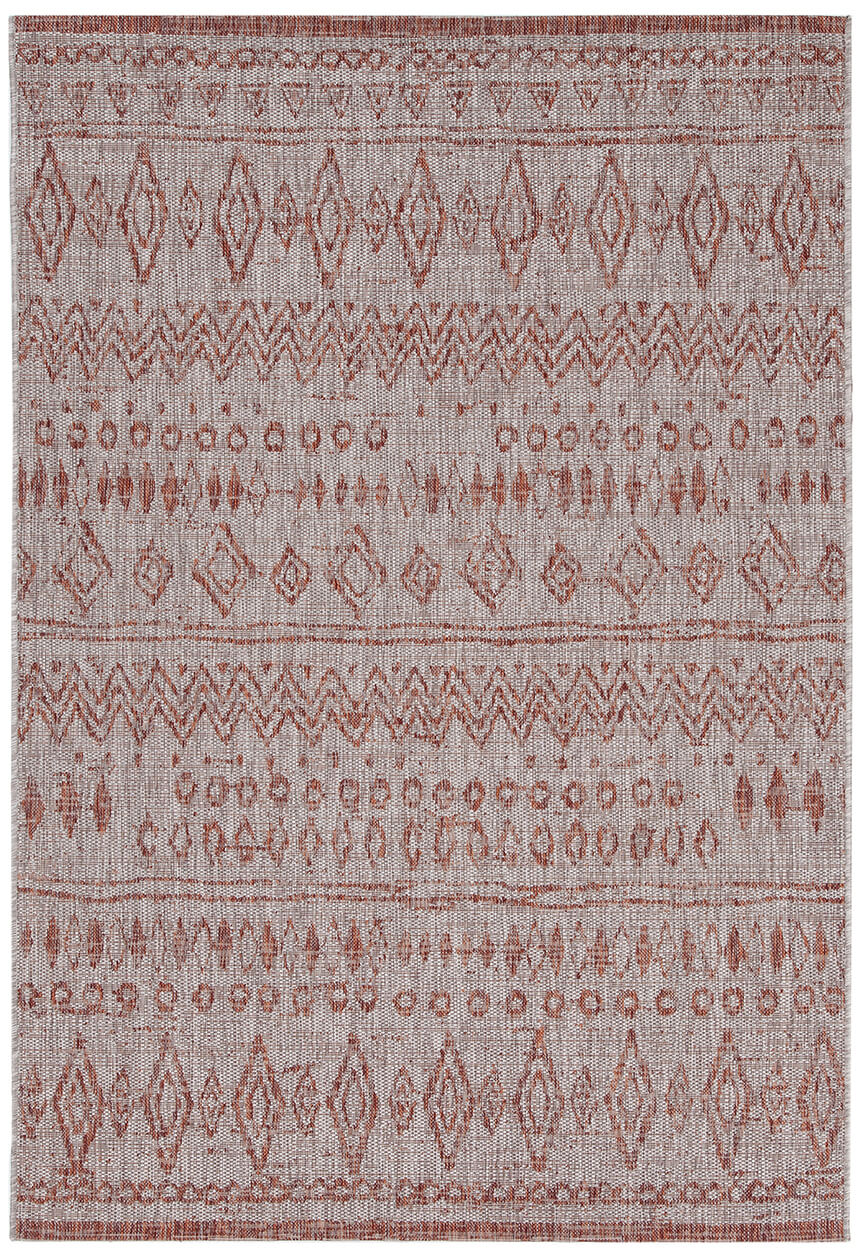
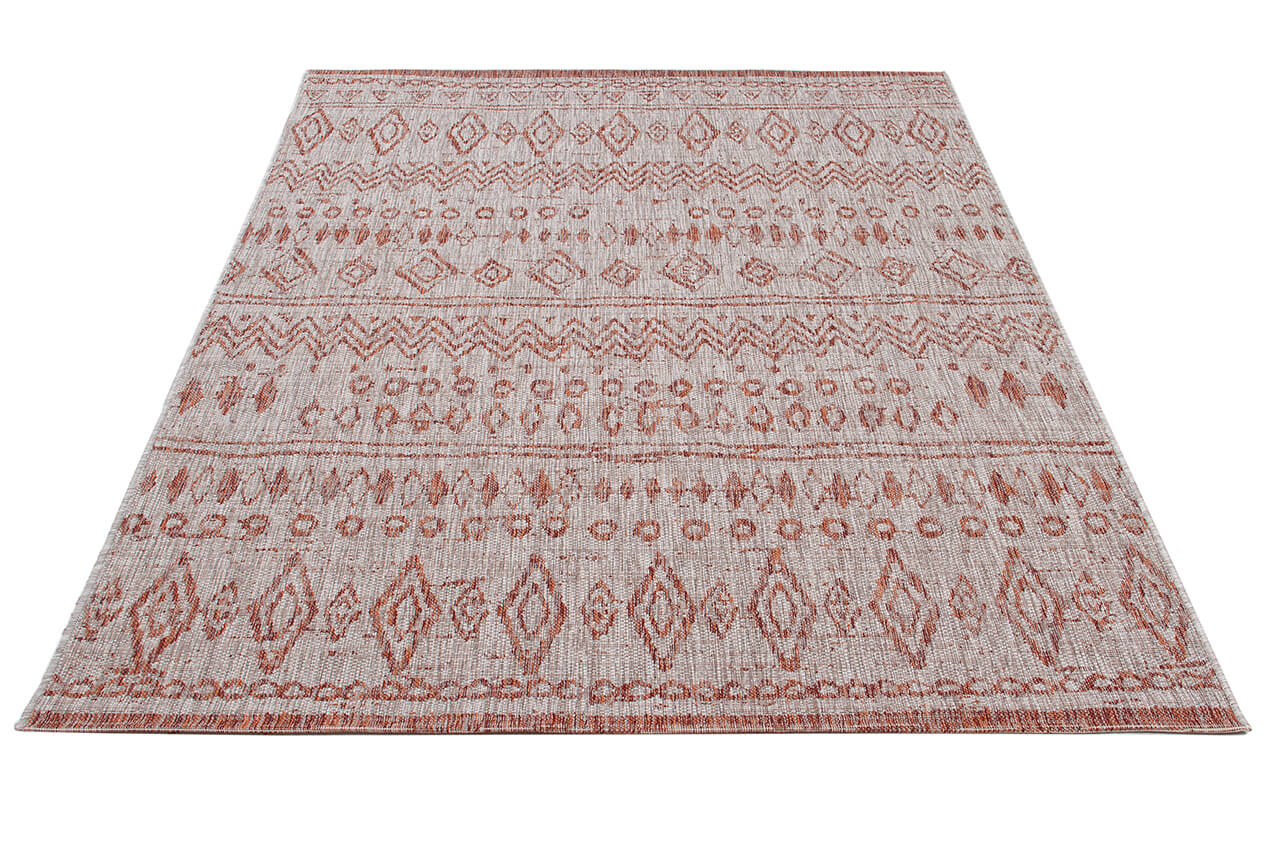
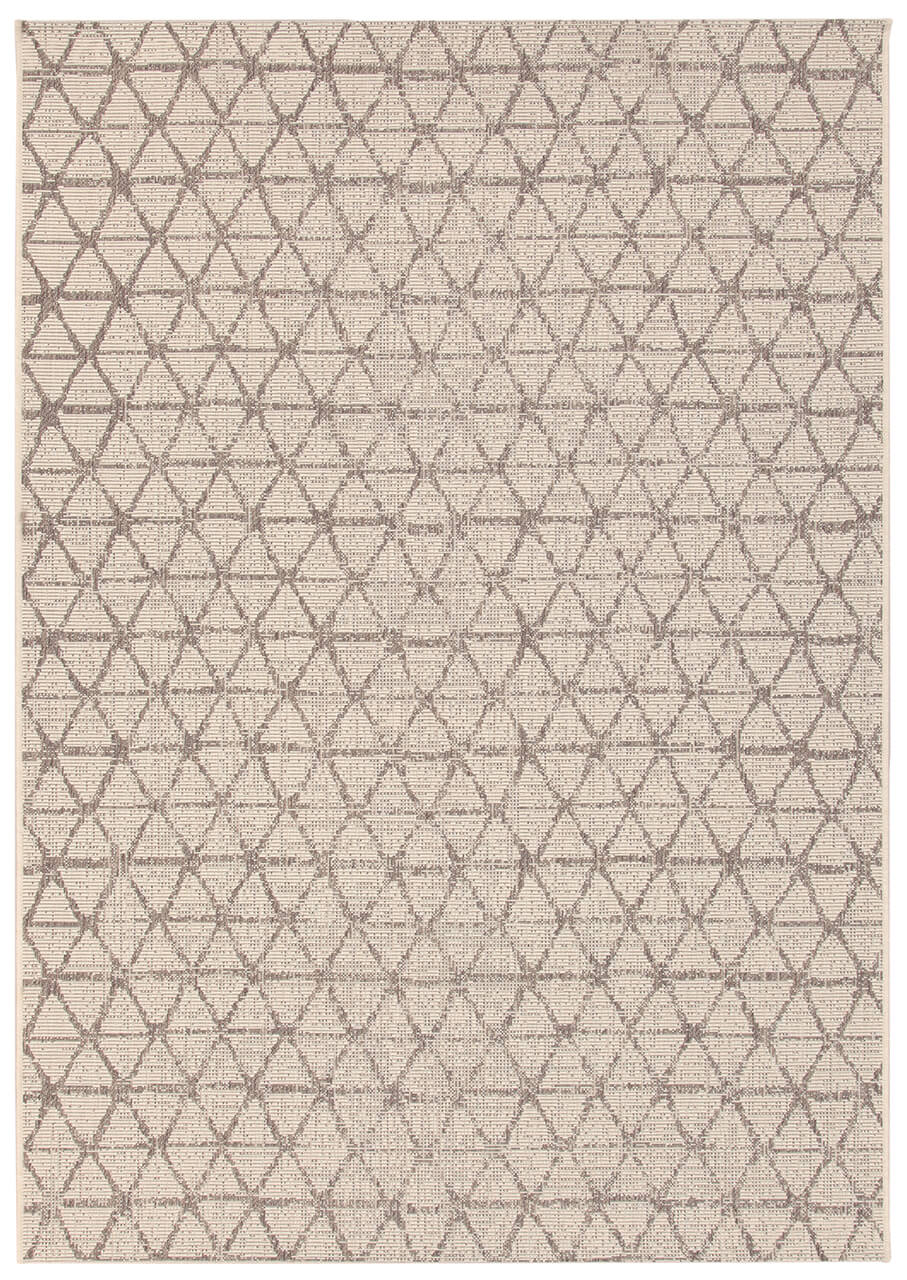
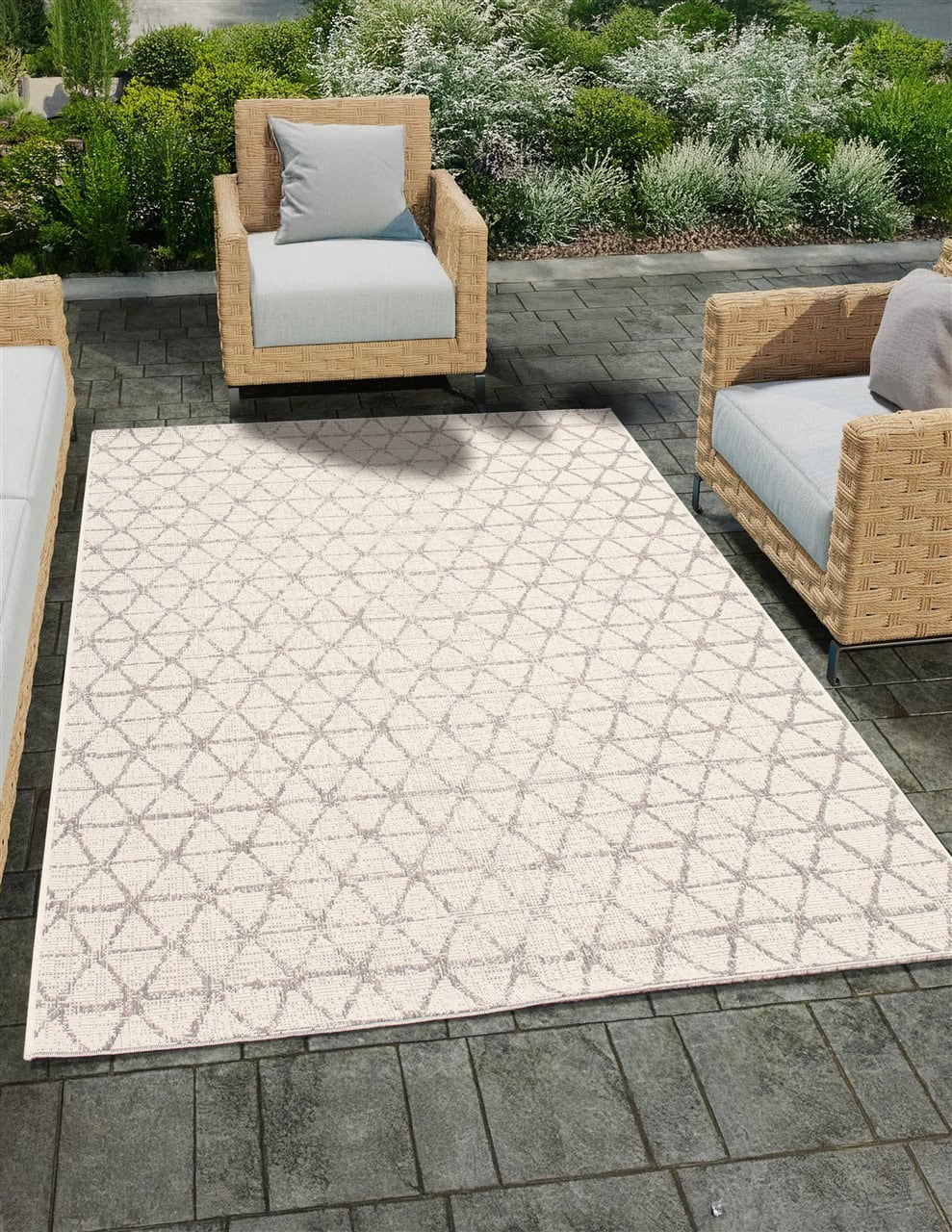
a medium color with patterns or textures masks much more
“Medium” patterns (not too loud, not too flat) are often perfect: they make 70% of the daily mess disappear without you having to fight.
And then there's the most obvious rule of all: if you have a white dog, a uniform black rug is an athletic choice. If you have a black dog, a uniform white rug is a spiritual journey. You can do it... but don't complain afterwards.

Odors and stains: prevention, not war
The right rug is one on which you can intervene simply:
-
drying quickly if it comes in wet
-
blotting a stain without creating disasters
-
frequently vacuuming without the fiber "suffering"
A home with animals is not a perfect home. It is a lively home. The rug must be part of this life, not an object to protect like a Chinese vase.
The most common mistakes (which seem small, but are not)
-
choosing only with your eyes (and then discovering it's unmanageable)
-
putting long pile in areas where the animal always passes
-
choosing an extreme color compared to the animal's fur
-
ignoring stability: a rug that moves gets damaged sooner and stresses you out more
FAQ
What is the best rug for a dog?
Often short pile or flatweave, compact weave, and medium colors/patterns that mask fur and micro-stains.
And with a cat?
Compact and less "snaggable" weave. Avoid overly open weaves if it tends to scratch.
Better light or dark?
Medium tones or patterns are better. Extremes require maintenance and tolerance for mess.


Share:
Round rug: where it really looks good and how to choose the right size
Rug on hardwood floors: making the right choice between protection, style, and proportions