


The ancient origins of Persian rugs
Persian rugs are among the most celebrated in the world, true masterpieces of craftsmanship with a history rooted in more than 2,500 years of tradition. Originating in ancient Persia (today Iran), these rugs have always been a symbol of luxury, culture and refinement. Used both as decorative objects and as goods for trade, they have endured through the centuries as icons of oriental craftsmanship.
Handcrafting and the very high quality of the materials used make every Persian rug a one-of-a-kind piece, rich in cultural and spiritual meaning.
Symbols and motifs: what does each rug tell?
Persian rugs are never “neutral”: every knot, motif and colour has a precise meaning. Some of the most common symbols include:
-
The central medallion: represents the unity and harmony of the cosmos
-
Floral and plant motifs: symbolise paradise, eternal life and abundance
-
Stylised animal figures: such as the peacock (immortality), the lion (strength), the fish (fertility)
-
The tree of life: the union between earth and sky
These elements are not merely decorative: they are the visual language through which master weavers express stories and deep values.

The main production centres and their characteristics
In Iran there are many towns and villages specialising in rug production, each with unique stylistic features:
-
Tabriz: known for fine detail and for rugs with central medallions and rich borders
-
Kashan: elegant and symmetrical, with floral motifs on a red or blue ground
-
Isfahan: vivid colours, great technical precision, often made in silk
-
Qom: fine rugs in pure silk, with refined and spiritual motifs
-
Nain: refined, with a light ground and blue and ivory details, sometimes with silk inserts
Each rug is the result of local culture, the natural environment and an aesthetic taste handed down from generation to generation.
How to recognise an authentic Persian rug
To tell an authentic Persian rug from an industrial copy, consider these aspects:
-
Handmade craftsmanship: the back shows irregular knots, never perfectly symmetrical
-
Natural materials: wool, cotton and silk, often dyed with natural pigments
-
Weft and warp: visible and made with great care
-
Label or certificate: origin, knotting and materials clearly stated
If possible, rely on specialist retailers such as CarpetLiving, which offer certified rugs selected for quality and provenance.
Where to place them in the home to show them off at their best
Persian rugs suit a wide variety of rooms:
-
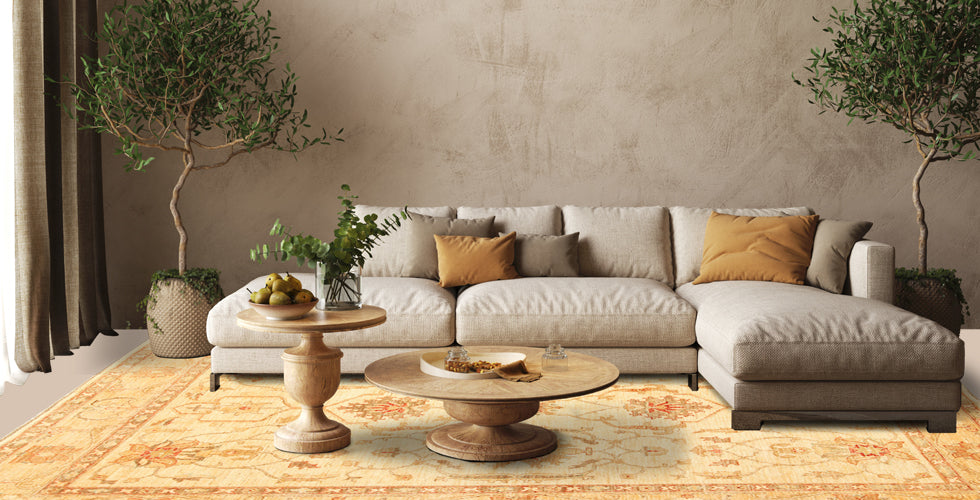
Living room: as a centrepiece under the coffee table or in a relaxation area
-
Dining room: under the table to enhance the convivial atmosphere
-
Bedroom: bedside or island rugs for comfort and refinement
-
Entrance: to make a prestigious impression from the very first step
A Persian rug can also sit perfectly in modern interiors, offering contrast and visual depth. The key is to create balance between the furniture and the rug.

Persian rugs at CarpetLiving: tradition and selection
At CarpetLiving you can find a curated selection of authentic Persian rugs, handmade using techniques handed down over the centuries. Each rug is described in detail, with its origin, size, materials and style. From the classic Kashan to the refined silk Qom, you can choose a piece that truly enhances your home.
A rug that lasts forever
Choosing a Persian rug means investing in a timeless object that combines beauty, function and meaning. It is not just a furnishing accessory, but a fragment of ancient culture to enjoy every day. If you want to bring elegance, warmth and a fascinating story into your spaces, a Persian rug is the perfect choice.
→ Discover all Persian rugs on CarpetLiving
Share:
Kazakh Rugs: The Geometric Charm of the Caucasus
Oriental rugs: how to choose and match them with style