

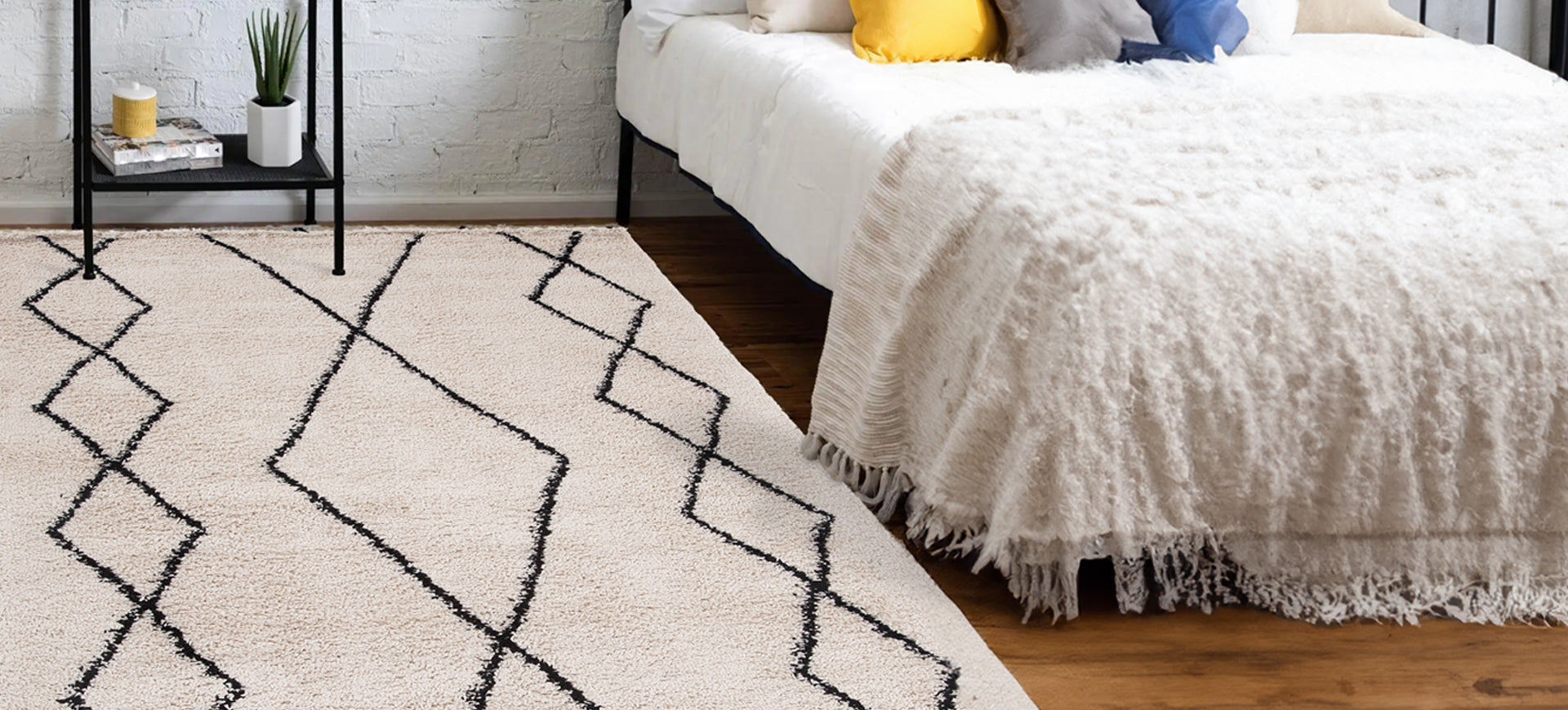
Rugs for hotels, B&Bs, and accommodation facilities: the contract guide
If you manage a hotel, B&B, or multi-unit vacation rental, a rug isn't just a decor choice. It's an operational choice. The logic changes, the calculations change, and priorities shift. This guide is written for those who view rugs and rooms as assets to be optimized, not as items to be bought once and then forgotten.
>> REQUEST A CONTRACT SELECTION WITH DEDICATED PRICES <<
Why is a rug an asset in an accommodation facility?
In a hotel room or B&B, a rug works on three fronts simultaneously: it improves the guest's perception of quality, reduces footfall noise between floors (one of the most common complaints in negative reviews), and protects floors from continuous wear and tear.
In a facility with 10 rooms and a 70% occupancy rate, each room sees approximately 250 check-ins per year. The rug must withstand this volume without losing its presentability. The logic here is that of a business, not a private home.

What is the difference between a residential rug and a contract rug?
The fundamental difference lies in the concept of a planned life cycle. A residential rug is bought to last as long as possible. A contract rug is chosen with a defined useful life in mind (typically 3–5 years in a B&B context, 5–10 in higher-end hotels) and an acceptable replacement cost.
This completely changes the evaluation parameters:
- Abrasion resistance is more important than softness to the touch
- Washability or ease of cleaning is worth more than pure aesthetics
- Uniformity between units is worth more than the originality of each individual piece
- Availability of restocking is worth more than exclusivity
Which materials best withstand turnover?
The hierarchy for the hospitality context:
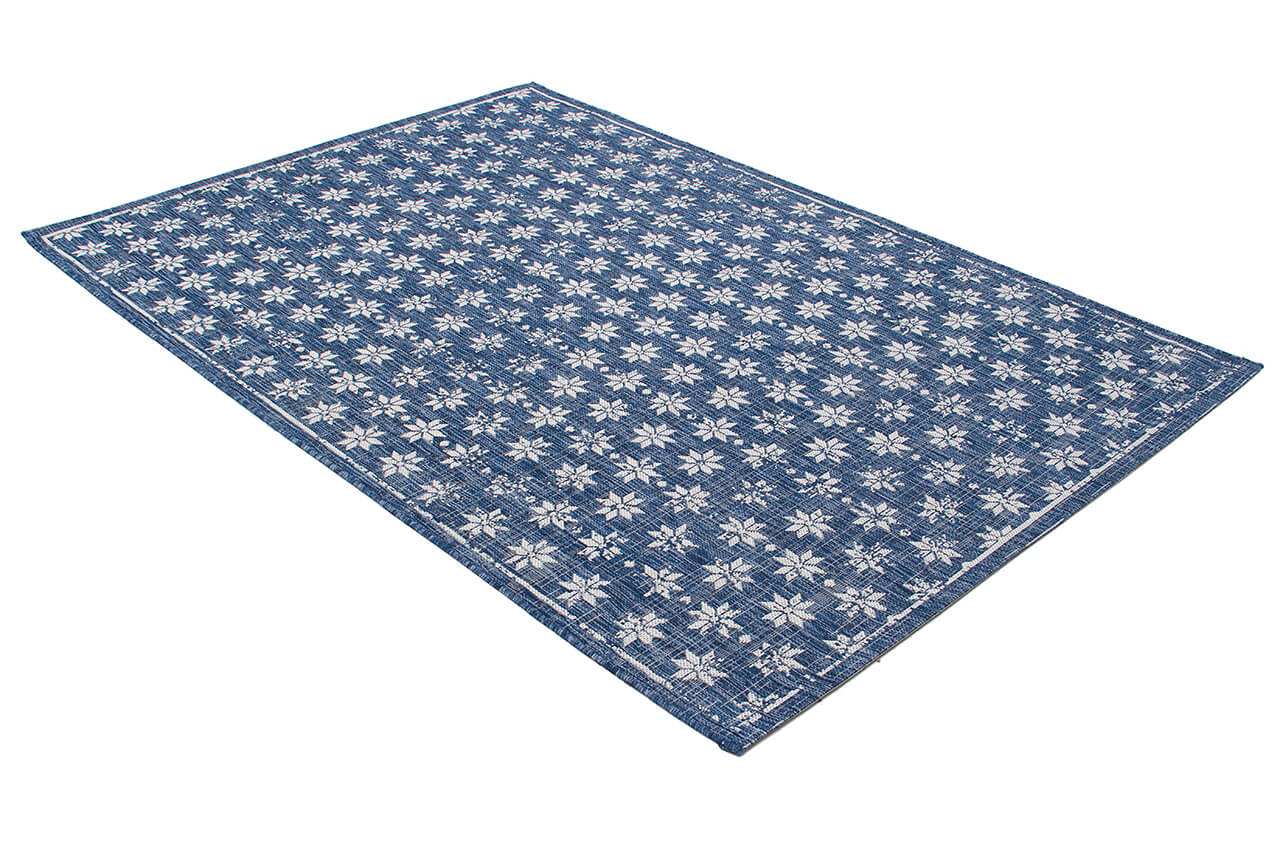
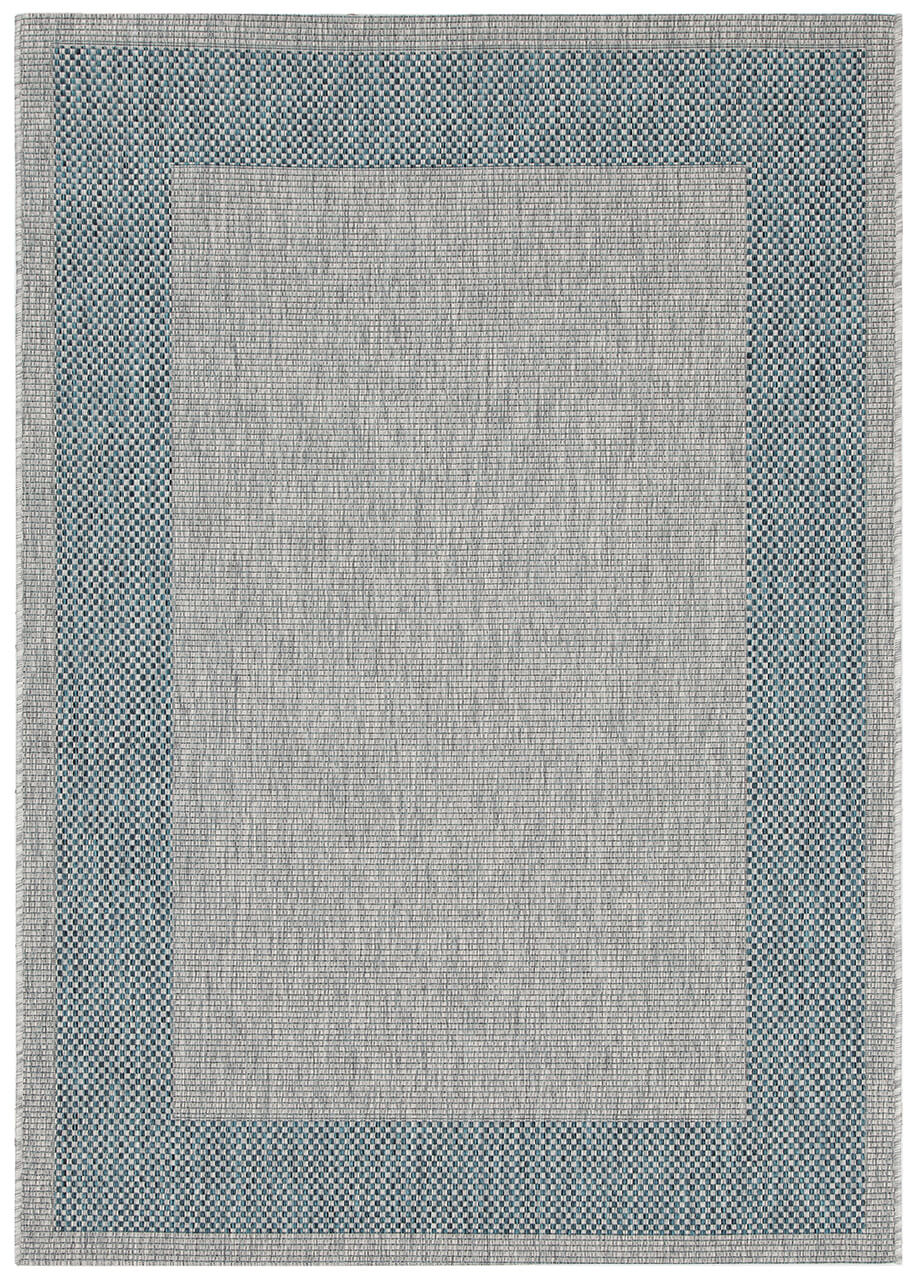
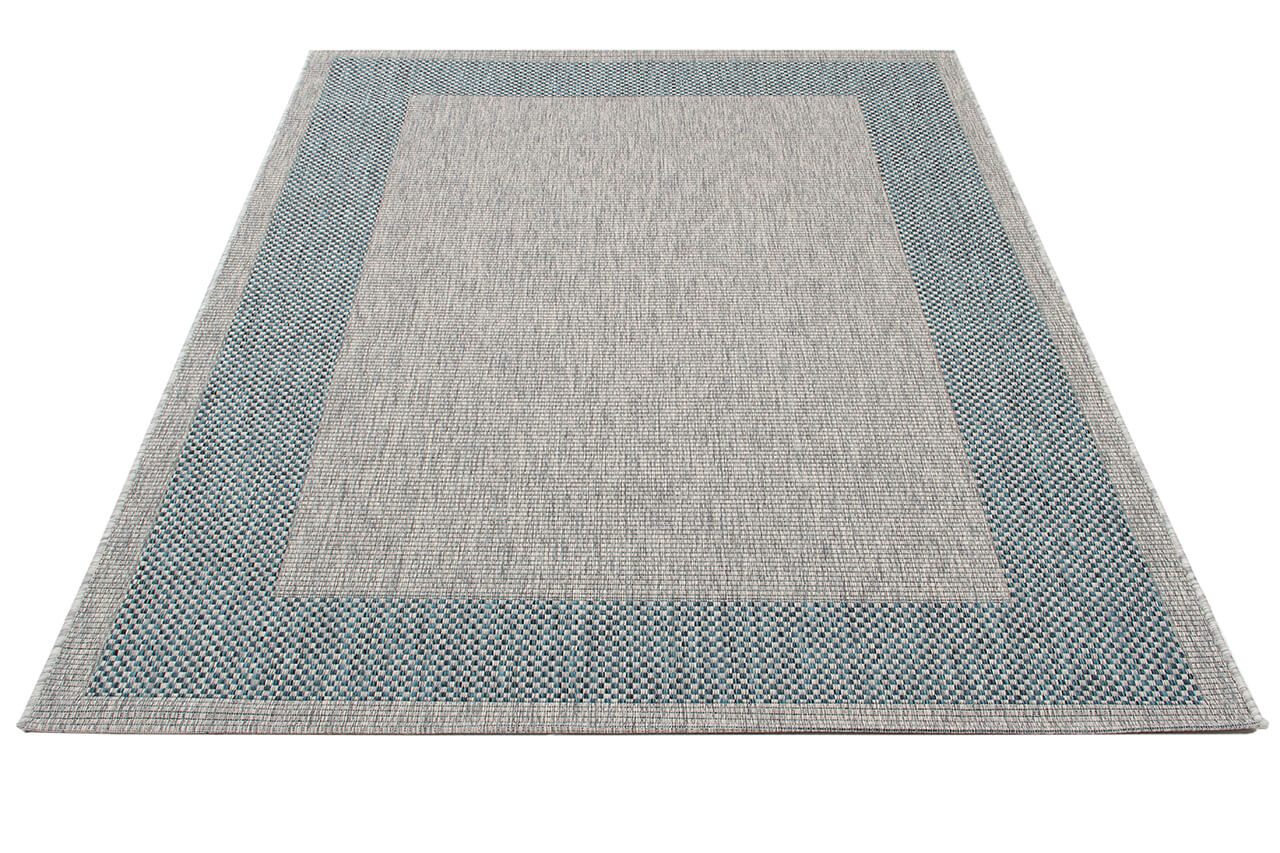
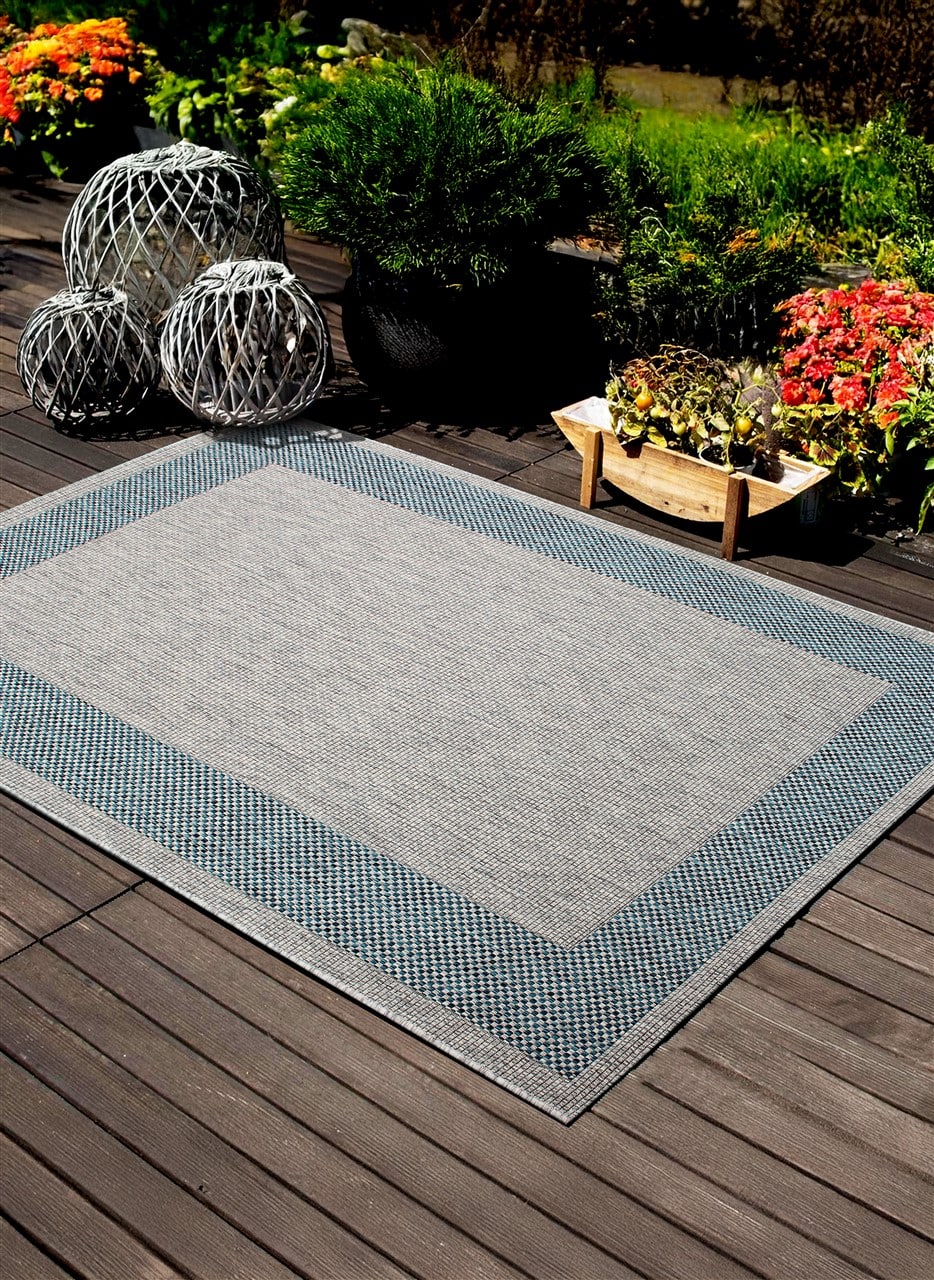
- Polypropylene: the most manageable material for high-traffic areas (entrances, corridors, sofa areas). Resists stains and moisture, is easy to clean, and has a low cost that allows for planned replacement without budget trauma.
- Wool: for mid-to-high-end rooms where perceived quality matters. Lasts longer than synthetics if properly maintained, has a premium look that is visible in photos and felt to the touch. Professional cleaning cycle every 12–18 months.
- Jute / natural fibers: for eco-friendly or rustic-positioned facilities. Pay attention to humidity—not suitable for rooms with direct bathrooms or in humid climates.
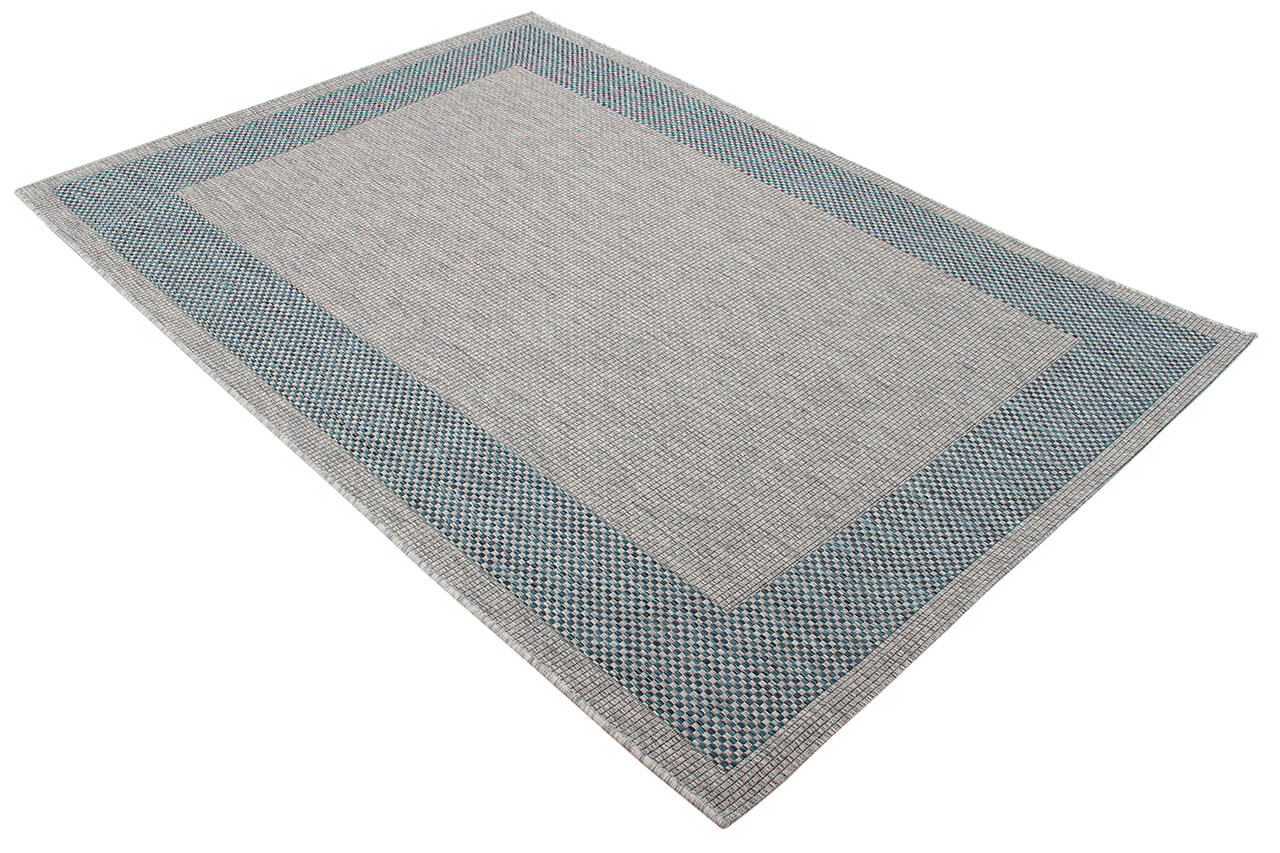
- Kilim and flat weaves: ideal for bedside rugs and room entrances. No pile to trap dirt, easy to vacuum, ethnic aesthetic consistent with many positioning strategies.
Where to place rugs in each type of room
The logic by zone:
- Room entrance: small rug (60×90 / 80×120 cm) made of durable fiber. Absorbs traffic, protects the floor from the dirt brought in by luggage. Planned replacement every 2–3 years.
- Beside the bed: two bedside rugs (70×140 cm) made of wool or soft polypropylene. Here the guest places their feet upon waking—tactile comfort is immediately perceived.
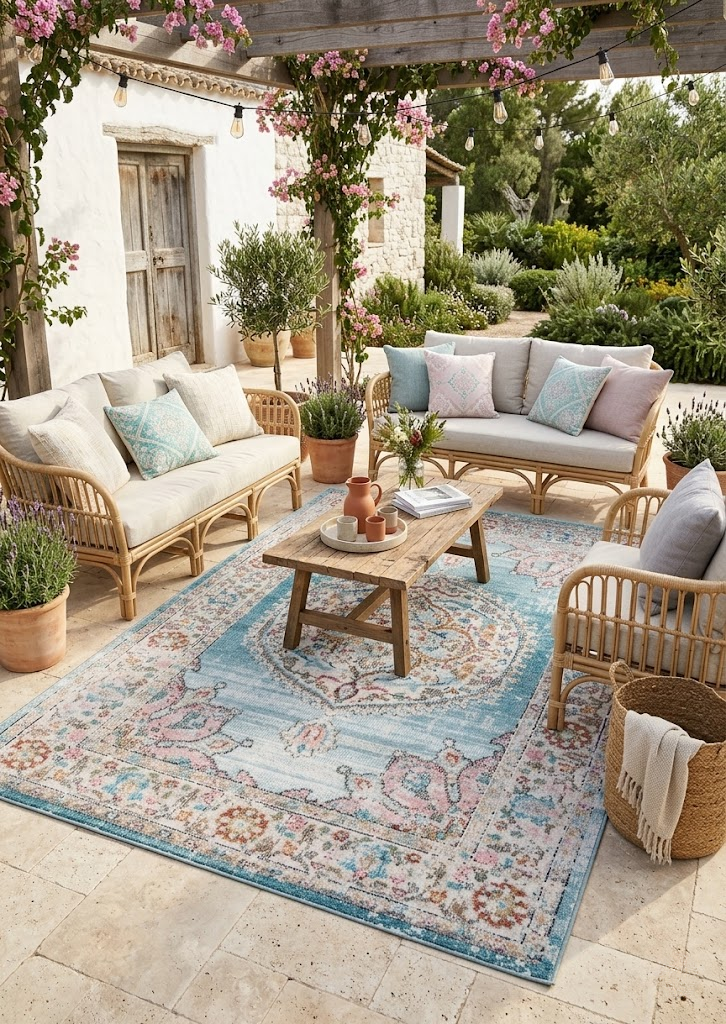
- Sofa / living area (suite): large rug (160×230 cm+) that anchors the seating set. Crucial for listing photos: makes the space warmer and more "furnished."

How to calculate the rug budget for a facility
A quick method to estimate the initial investment:
- Room entrance: €40–80 per room
- Two bedside rugs: €60–150 per room
- Living area rug (suites only): €150–400 per room
- Corridors/common areas: variable per linear meter
For a facility with 10 standard rooms + 2 suites, the complete rug budget typically ranges between €1,500 and €4,000 depending on the positioning. An amount that can be recovered in a few months if the improvement in perception translates into even a minimal increase in the nightly rate or occupancy rate.
Three mistakes that cost accommodation facilities money
1) Buying rugs "that are liked" instead of rugs that last. The difference becomes apparent after six months of intense turnover.
2) Not planning for replacement. A worn-out rug in a room is worse than no rug at all. Plan for replacement as an ordinary maintenance expense.
3) Neglecting corridors and common areas. These are the most viewed square meters by guests during their stay and the most photographed for reviews.
>> ARE YOU FURNISHING MULTIPLE ROOMS? CONTACT US FOR CONTRACT PRICES AND SELECTION <<


Share:
Kilim: the ultimate guide, origins, types, and how to choose one
Farmhouses and Vacation Rentals: The Difference Between a Rental Rug and a Personal Home Rug