

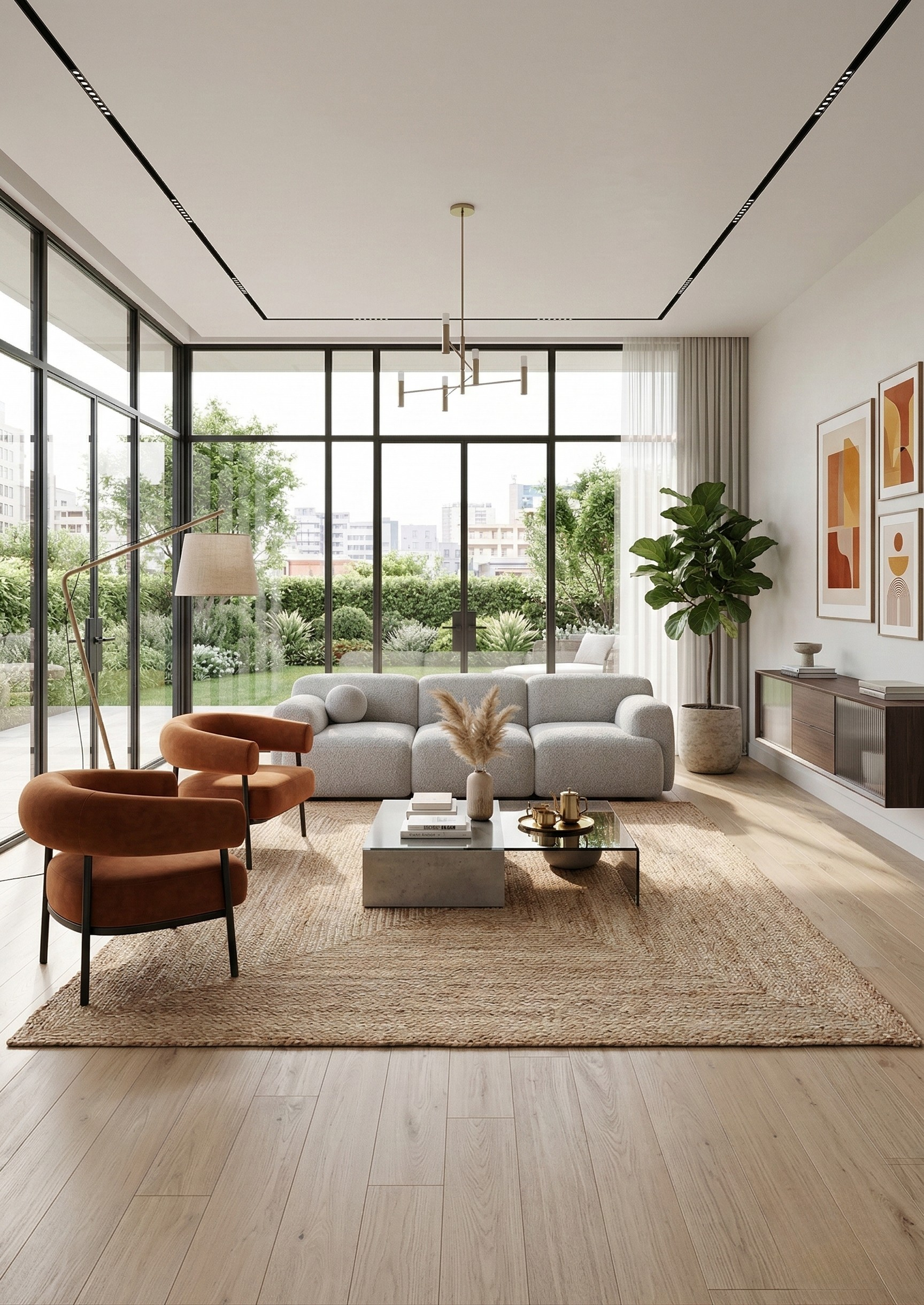
Jute rugs: natural, sustainable, and beautiful – a complete guide
The jute rug has made a comeback in contemporary interior design, driven by increasing attention to sustainability and the natural-chic aesthetic dominating Nordic, wabi-sabi, and boho trends. But is jute truly the right material for your home? This guide will help you make an informed choice.
What is jute and why is it considered sustainable?
Jute is a vegetable fiber extracted from the stem of the Corchorus capsularis plant, cultivated mainly in Bangladesh, India, and China. It is considered one of the most sustainable natural fibers for several reasons:
- It grows rapidly (a 4–6 month crop cycle) without the need for pesticides.
- It absorbs CO₂ and releases oxygen in greater quantities than the average crop.
- It is completely biodegradable at the end of its life cycle.
- Processing requires less water compared to cotton.
A jute rug has a significantly smaller ecological footprint than a synthetic equivalent made of polypropylene or viscose.

What are the characteristics of a jute rug?
Jute has well-defined physical properties that make it suitable for some contexts and less so for others:
- Texture: rough and natural, it creates a warm tactile effect not found in synthetic fibers.
- Color: natural beige, ochre, light brown — shades that easily match any neutral palette.
- Durability: good for moderate foot traffic areas; not recommended for bathrooms or kitchens (it absorbs moisture).
- Sound insulation: decent — better than a bare floor, less effective than wool carpets.
- Non-slip: generally stable, but an anti-slip underlay is recommended on glossy surfaces.
Braided or tufted jute rug: which to choose?
Jute rugs come in two main types of manufacturing:
- Braided/Woven: strips of fibers hand-woven or machine-woven. Clean geometric patterns, pronounced texture, excellent durability.
- Tufted: fibers inserted into a textile backing. Softer pile, more elaborate patterns possible, but less durable than braided in the long run.
For entryways, living rooms, and dining areas with frequent traffic, a braided rug is the wiser choice. Tufted works better in bedrooms or studies where abrasion is minimal.

How to match a jute rug with your decor?
Jute is a versatile material that works well with very different styles:
- Boho-chic: combine natural jute with macrame cushions, tropical plants, and light wood. The effect is warm and organic.
- Minimalist Scandinavian: beige jute on white oak flooring + grey sofa = perfect balance between simplicity and warmth.
- Industrial loft: dark jute or black/natural combination on raw concrete. The contrast of textures creates visual depth.
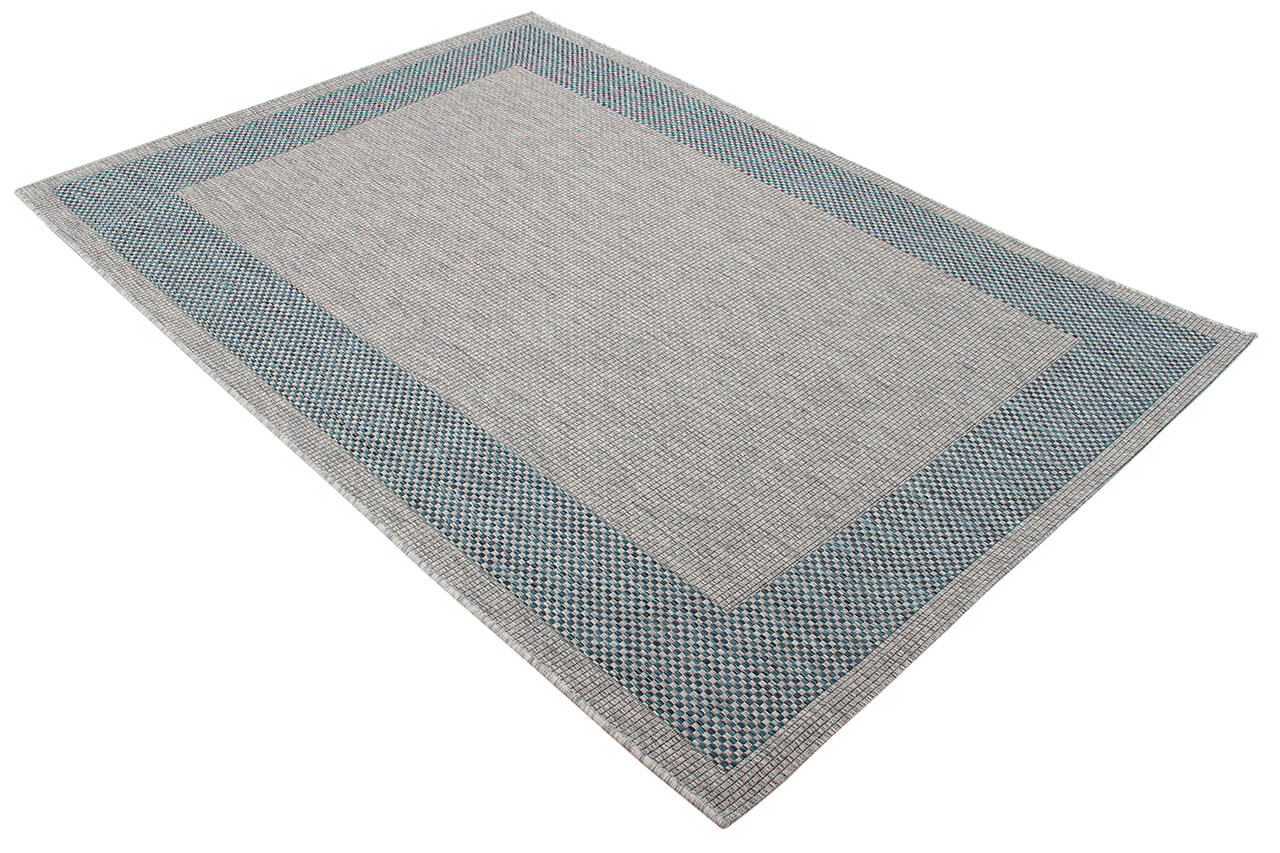
- Country-Provençal: jute with colored cotton borders, solid wood furniture, linen fabrics.
How to clean and maintain a jute rug?
Proper maintenance is crucial for the longevity of a jute rug:
- Vacuum regularly with a low-power vacuum cleaner (avoid motorized brushes that can fray the fibers).
- For stains: act immediately with a dry cloth to absorb the liquid, then clean with lightly soapy water and a wrung-out cloth.
- Do not wet excessively: jute absorbs moisture and can deform or develop mold if it does not dry quickly.
- Do not machine wash — only professional dry cleaning for a complete wash.
- Avoid placement in very humid environments (bathroom, laundry room).
Jute rug or sisal rug: what's the difference?
Sisal and jute are often confused but have different characteristics. Sisal (from agave) is stiffer, more abrasion-resistant, and better suited for high-traffic areas. Jute is softer to the touch, more economical, and easier to work with, but less resistant to moisture and intense wear. For an entryway with a lot of foot traffic, sisal holds up better; for a living room or bedroom, jute offers superior comfort.
Explore the CarpetLiving jute rug collection: braided, tufted, in sizes from runners to large living room rugs, all with complete technical specifications.


Share:
Ziegler Carpet: History, Manufacturing, and How to Combine it with Contemporary Decor
The carpet as an investment, when an antique carpet is worth more than a work of art