


Afghan Kaudani Kilim, authentic craftsmanship from Afghanistan
Among the most sought-after kilims by oriental textile enthusiasts, the Kaudani Kilim holds a special place: it is a flat-woven Afghan rug that carries centuries of tradition from the pastoral communities of northeastern Afghanistan. Each piece tells a story through its colors and geometric patterns.
What is a Kaudani Kilim and where does it come from?
The term Kaudani refers to a type of kilim produced by the Kaudani people, a Turkmen–Uzbek ethnic group settled in the Kunduz and Baghlan provinces of northern Afghanistan. It is a flat weave (pile-less) made on traditional horizontal looms, using the inlay technique (weft-faced tapestry).
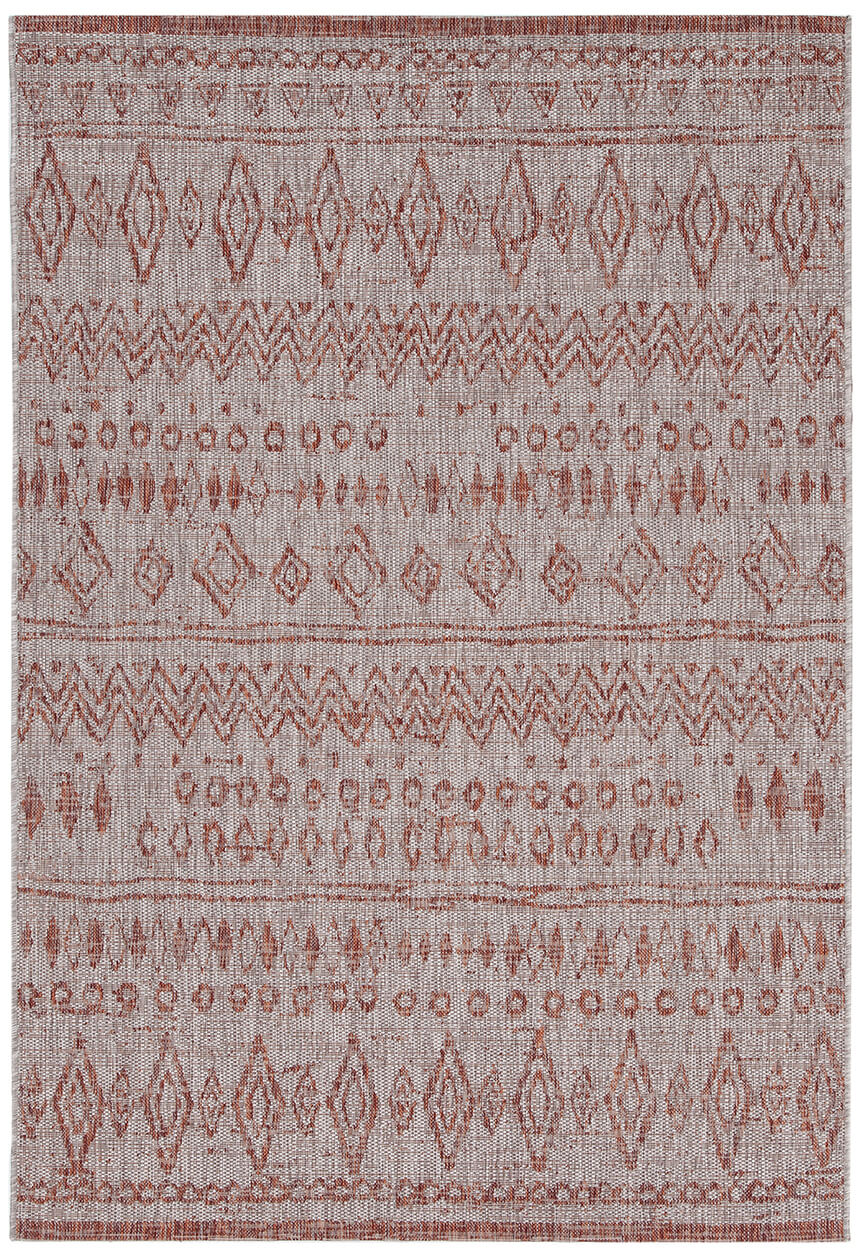
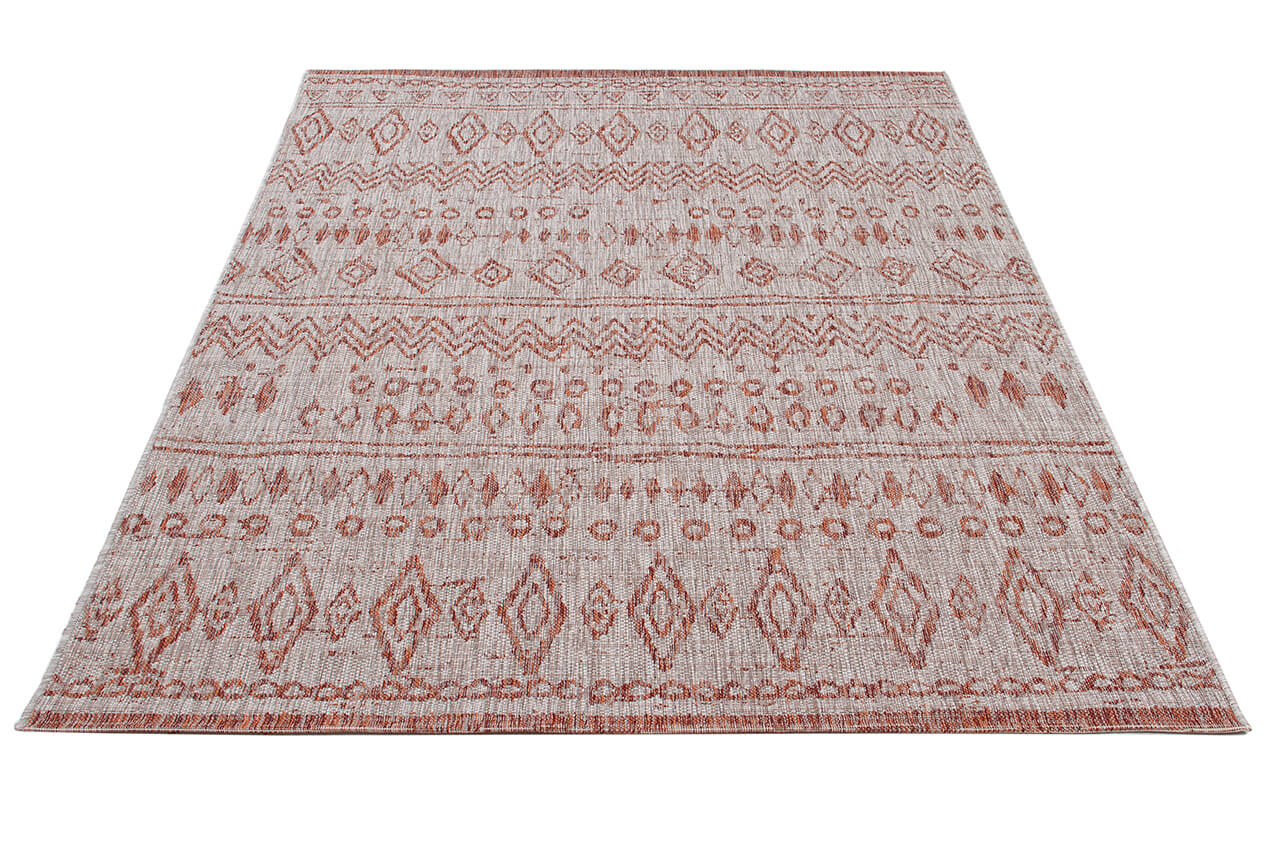
The most recognizable feature is its geometry: rhombuses, triangles, Greek keys, and eye-of-partridge (göl) motifs alternate in balanced compositions, with a palette that favors deep reds, indigo, black, and the natural tones of undyed wool.

How to recognize an authentic Kaudani kilim?
To distinguish an original Kaudani from the numerous industrial imitations, check these elements:
- Natural irregularities: in size, warp, and colors. Millimetric perfection is a sign of industrial production.
- Identical front and back: in authentic flat weaving, the reverse side shows the same colors and patterns as the front, without tangled threads.
- Hand-spun wool: the yarn does not have the uniform thickness of industrial yarn. It has a slightly irregular, more vibrant appearance in the light.
- Vegetable and mineral dyes: the colors have a depth and tonal complexity that synthetic dyes cannot replicate. They age elegantly.
In what setting is a Kaudani kilim used?
The typical size of Kaudani kilims is relatively small—from 80×120 cm to 120×180 cm—which makes them perfect for specific uses:
- Bedside rug: at the sides of the bed, they add visual and material warmth to the bedroom
- Entrance: ideal size for entrance hallways, resistant to foot traffic thanks to their flat structure
- Accent rug in the living room: layered over a larger neutral rug, it creates depth and layering
- Wall hanging: the most prized Kaudani kilims are displayed as textile works of art

What is the difference between Kaudani Kilims and other Afghan kilims?
Afghanistan produces different types of kilims, each with its own characteristics. The main ones compared to the Kaudani:
- Maimana Kilim: more colorful and decorative, with horizontal stripes. Produced in western Afghanistan.
- Panjshir Kilim: darker palette, more angular and austere motifs, typical of the Panjshir valley.
- Kaudani Kilim: well-defined Turkmen identity, balanced compositions, intense yet harmonious colors.
How to maintain an Afghan kilim?
The flat structure makes kilim maintenance easier than pile rugs:
- Vacuum gently in both directions
- Rotate the kilim every 6 months to even out wear
- For stains: blot with cold water and mild soap, avoid rubbing
- Professional hand washing is recommended every 3–5 years
- Store in a dry place, wrapped in cotton fabric (not plastic)
Discover the Kaudani kilim collection on CarpetLiving: unique pieces selected directly from Afghan artisans, with the history and origin of each rug.


Share:
Carpets for restaurants and clubs, acoustics, safety and maintenance in commercial environments
The rug as seen by an interior designer, the technical variables the client doesn't see