


The rug under the dining table should be at least 60–70 cm larger than the table on each side (preferably 80 cm if you have large chairs or chairs with armrests). This way, when you move your chair to get up, the legs stay on the rug and you don't get stuck every time.
The rule that prevents 90% of mistakes
Don't choose "by eye". Do this mental (or real) test:
-
Place the chairs in the "in-use" position (pulled back).
-
Imagine the rectangle/circle that table + chairs occupy.
-
The rug must cover that entire perimeter.
If half a chair ends up off the rug when you get up, the rug is too small. And the same thing always happens: it snags, the edge gets damaged, and the dining room looks smaller and messier.

How far should the rug extend beyond the table?
-
Comfortable standard: +60/70 cm per side
-
Comfort (large chairs / armrests): +80 cm per side
-
Limited space: going below +50 cm is almost always a mistake ("chair trap" effect)
Pro tip (not to be ignored): besides "how far it extends", where it ends also matters. If the edge of the rug ends exactly where you often walk, you'll wear it out quickly and it will curl more easily.
Ready-to-use size tables
Rectangular table
| Table size | Recommended rug size | Notes |
|---|---|---|
| 120×80 | 200×140 | minimum "just right" |
| 140×90 | 240×170 | excellent for 4/6 seats |
| 160×90 | 250×200 | very balanced |
| 180×90 | 290×200 | ideal for 6/8 seats |
| 200×100 | 300×250 | large room |
Round table
| Table diameter | Recommended rug diameter | Notes |
|---|---|---|
| 100–110 | 200 | for 4 seats |
| 120 | 240 | for 4/6 seats |
| 130–140 | 250–300 | for 6 seats and more |
Rug shape: rectangular or round?
-
Rectangular table → rectangular rug. This is the "cleanest" and easiest choice to make sense of in the room.
-
Round table → round rug. Aesthetically strong, but requires space around it: if you squeeze it between walls and furniture, it loses its effect.
-
Round table + rectangular rug. This works if you want to visually "lengthen" the room. In this case, dimension with even more care: a mistake here is very easy to make.

Pile and material: what really works (not just in photos)
In the dining room there are two "enemies": chairs and crumbs.
For this reason, the smartest choices are:
-
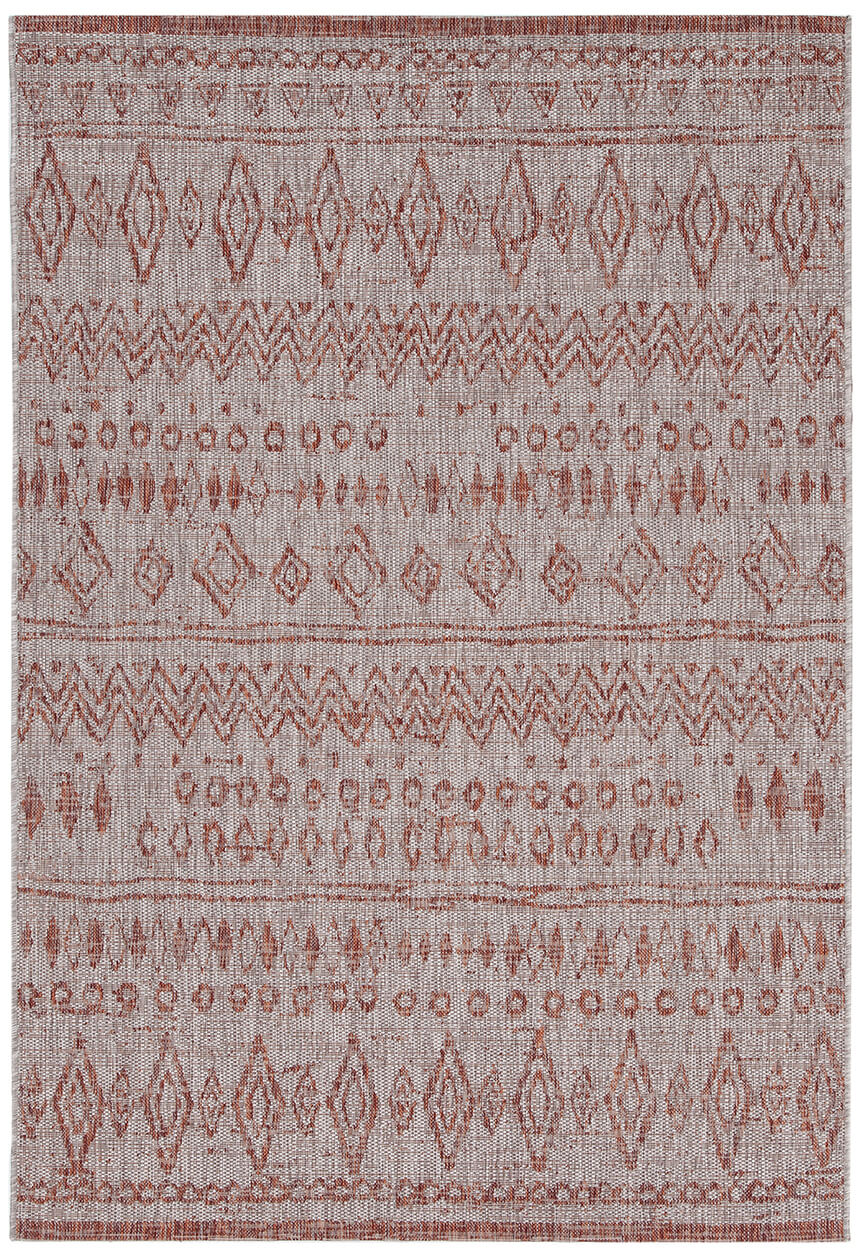
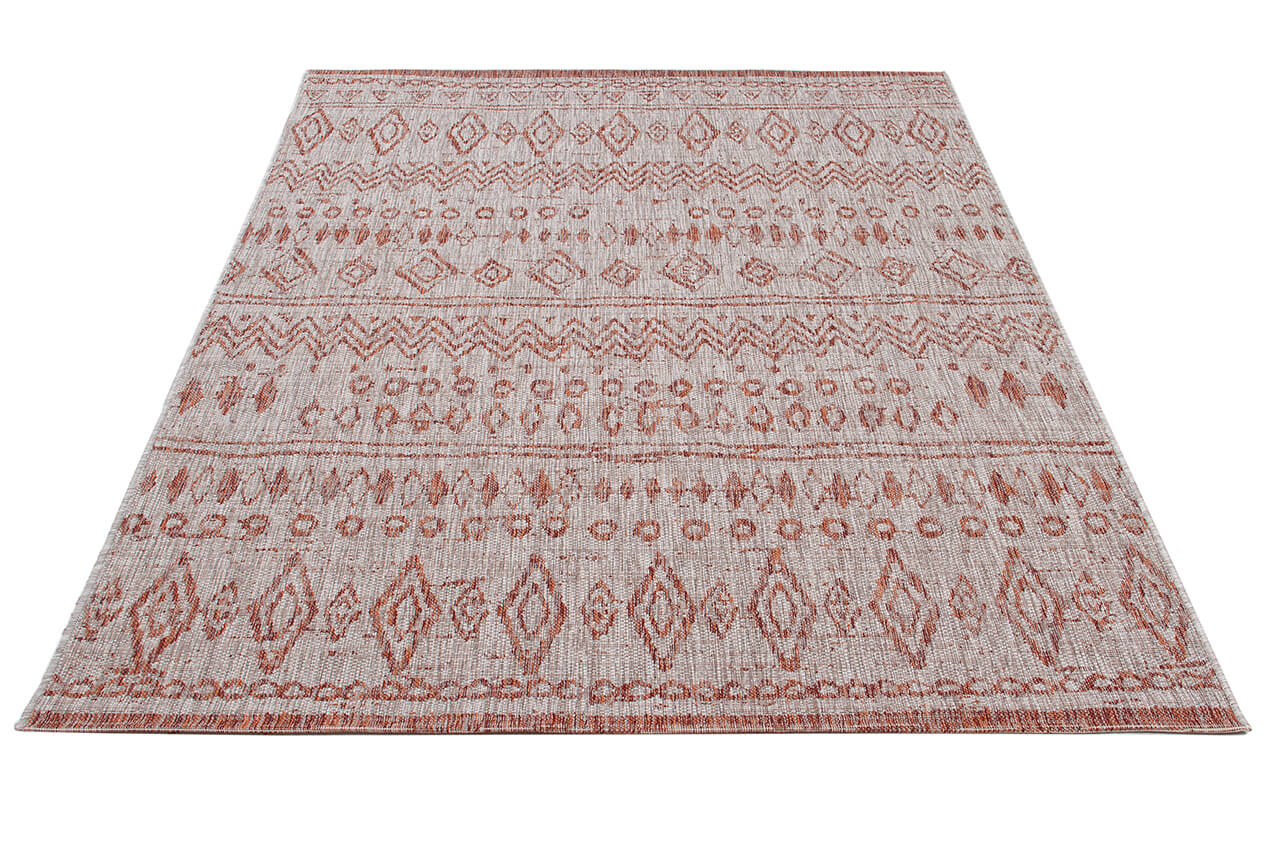
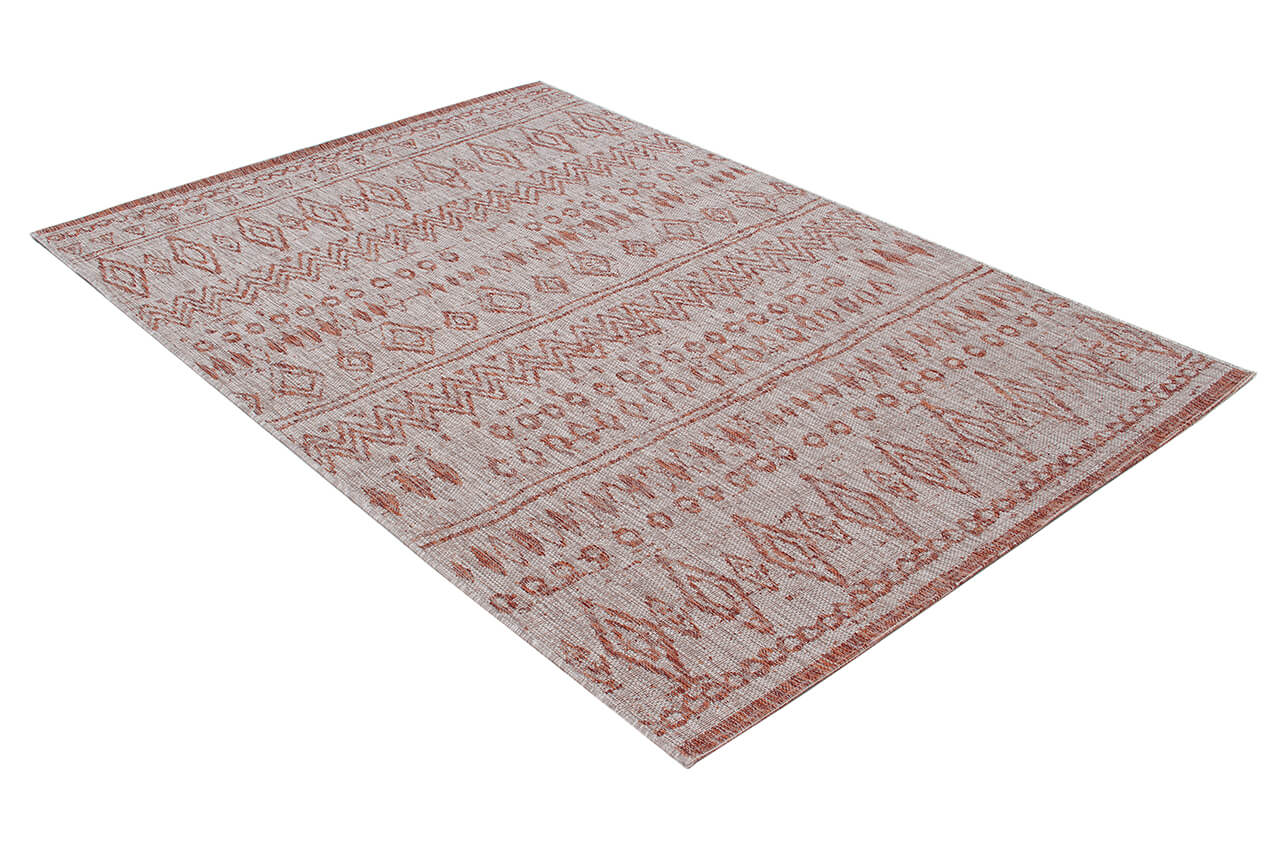
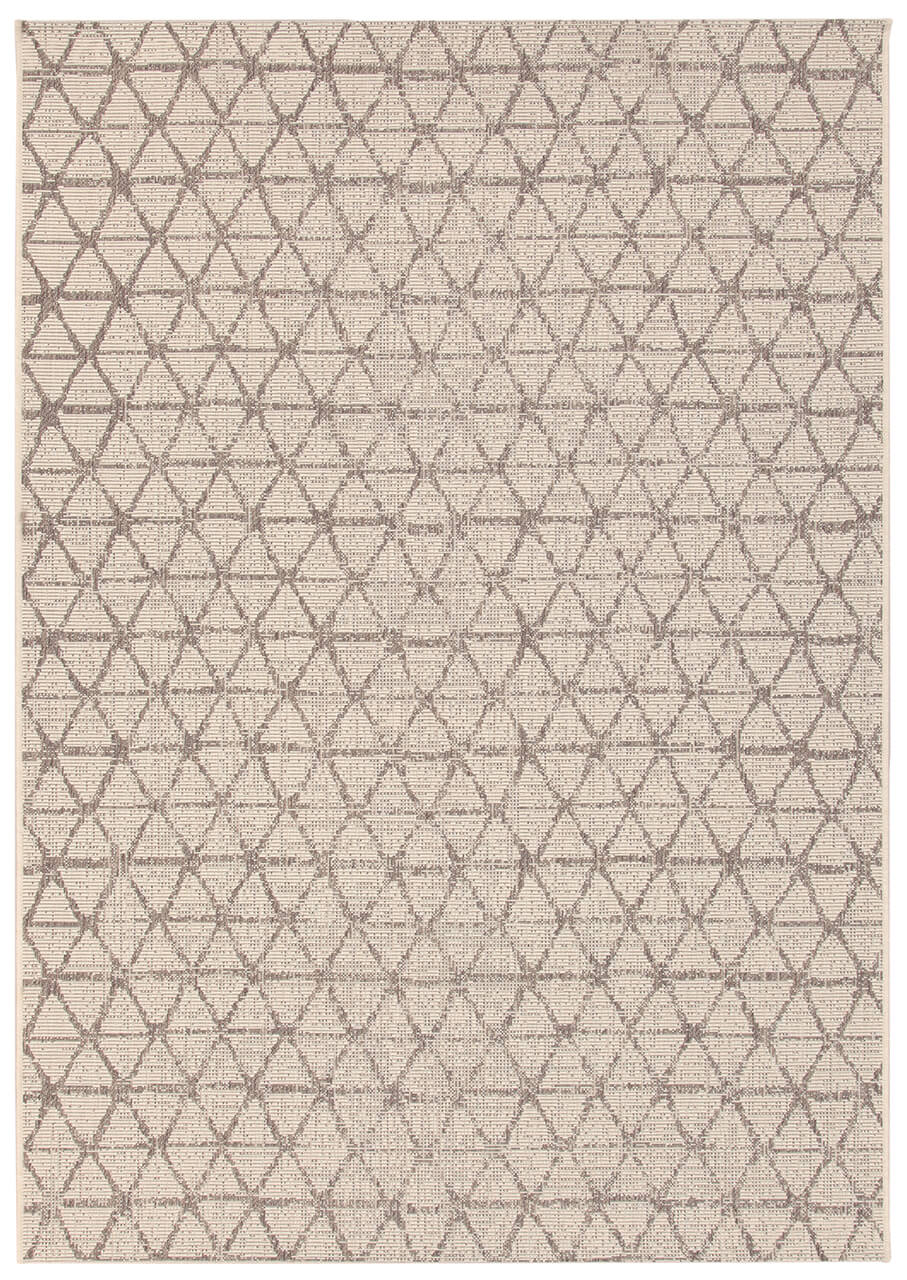
Dense short pile or flatweave: chairs slide better, easier vacuuming.
-
Texture/pattern: helps to mask micro-stains and marks.
What to avoid (if you want an easy life):
-
Long pile: unstable chairs, trapped crumbs, more stressful maintenance.
-
Super delicate fibers if the room is heavily used: "silky" beauty is wonderful until you treat it like a normal rug (see article 5 on viscose).
To summarize - FAQ
How far should the rug extend beyond the table?
On average 60–70 cm per side; 80 cm if you want more comfort.
Better large or small?
Large. Small is more "annoying" and always looks wrong.
Round rug under a rectangular table?
Rarely works: creates visual inconsistency and often leaves chairs off the rug.
Is a rug pad needed?
Often yes, especially on stoneware/marble/smooth parquet: stability and protection.


Share:
How to Pair Rugs and Floors: A Guide for Wood, Porcelain Tile, and Marble
Carpet in the kitchen: what to choose