


A welcoming hallway with a long rug immediately creates a warm atmosphere and defines the path for guests. The entrance and hallway are the first spaces that greet those arriving home, which is why a well-chosen rug can make all the difference. In addition to adding style and color, an entrance or runner rug offers foot comfort, avoiding direct contact with cold wooden or marble floors. Hallways are often narrow and long, so a thin, elongated rug ("runner") fits perfectly and enhances the space. Furthermore, the rug collects dirt and dust that would otherwise spread throughout the rest of the house, protecting floors and facilitating daily cleaning.
Why put a rug in the entrance or hallway?
The hallway is the first environment we encounter when entering the house, and its furnishings immediately influence the general impression. A hallway rug attracts attention and creates an inviting welcome for guests. It brings warmth and comfort underfoot and prevents direct contact with cold surfaces (such as wooden or marble floors). In essence, a soft runner ensures that feet do not slip or get cold on hard floors, improving the well-being of those walking through the hallway. Moreover, according to industry experts, in small and long hallways, the use of rugs and runners "brings warmth, comfort, and a touch of style to the entrance". Since the hallway is the first thing your guests see, refreshing this area with a designer rug can instantly transform the look of the entrance.
How to choose the right rug?
When choosing a rug for hallways and entrances, it's important to consider some practical and stylistic factors. Here are some key points:
-
Size and shape: the rug should cover most of the hallway without obstructing doors. Generally, it should leave a space of about 10–20 cm from the side walls. For narrow and long hallways, runners are preferred, while for wider entrances, standard rectangular rugs can be used.
-
Material and maintenance: hallways are high-traffic areas, so it's advisable to choose resistant and easy-to-clean fibers, such as wool, sisal, or durable synthetic fibers. Washable rugs or those with non-slip backing ensure safety and ease of care.
-
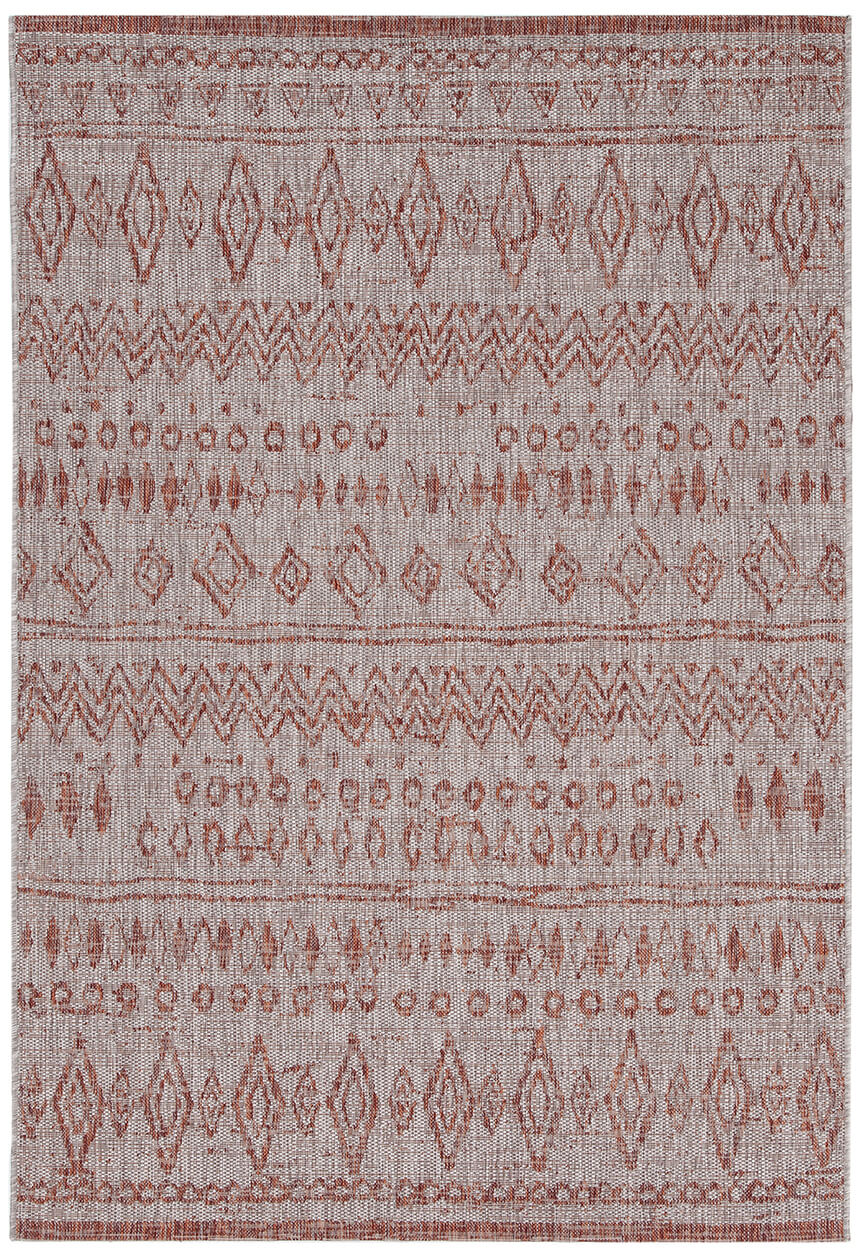
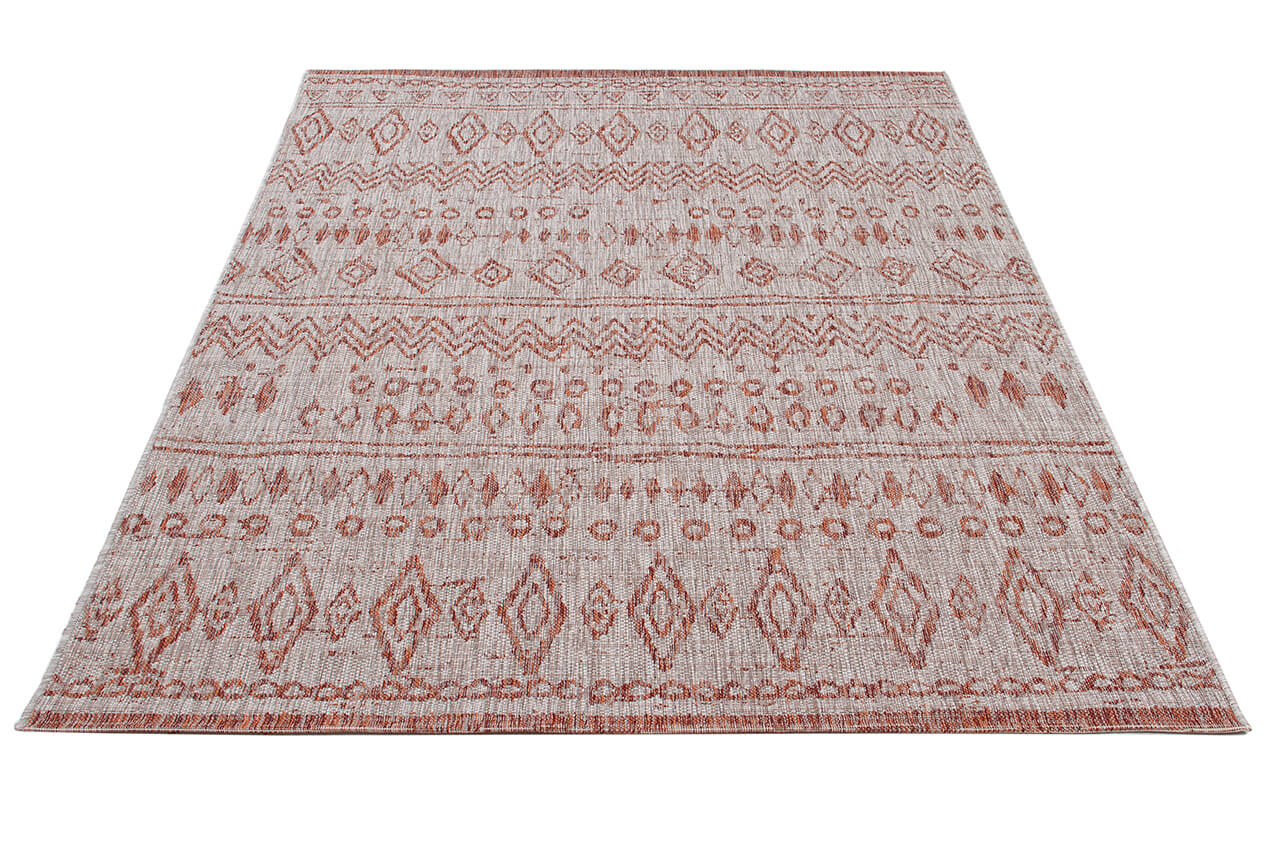
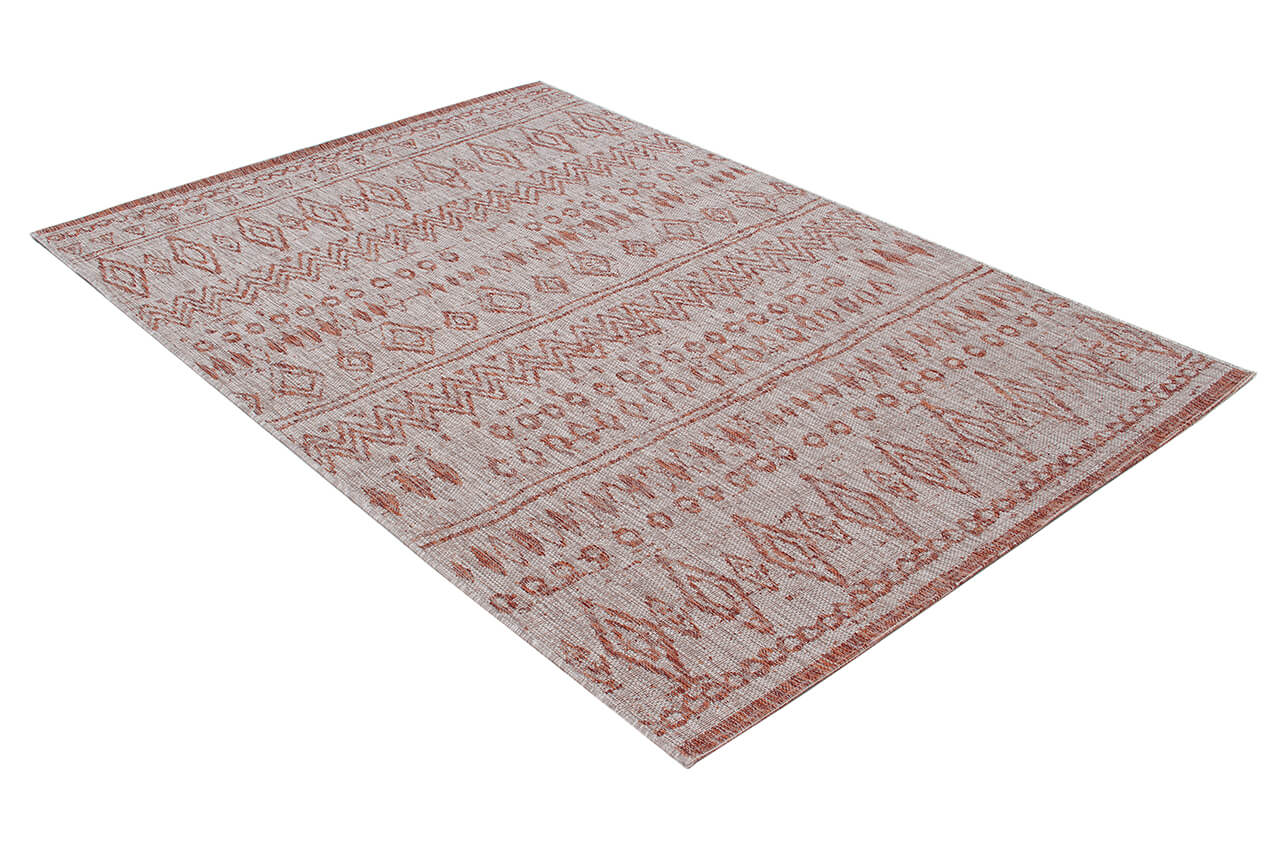
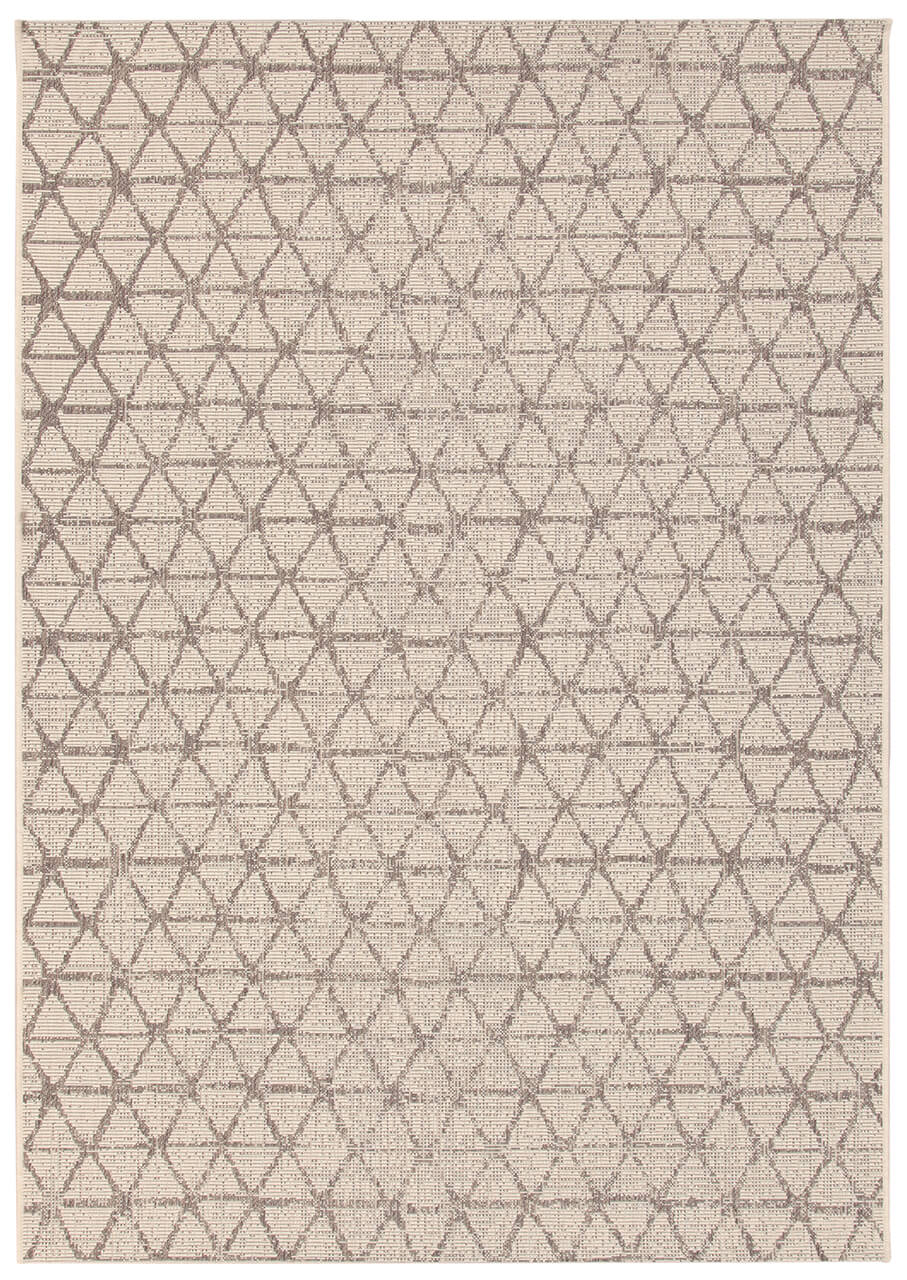
Color and pattern: consider the color of the walls and floors. Neutral tones (grey, beige, taupe) easily match almost any decor, while geometric or floral patterns add character. In dimly lit hallways, prefer light colors to brighten the space, while in already bright environments, you can dare with more vibrant colored rugs.
-
House style: the rug should integrate with the rest of the decor. If the entrance is minimalist, opt for a simple solid-color rug or one with minimalist patterns. In classic or rustic environments, an oriental rug or a richly woven kilim is perfect.

Where to place the rug in the entrance or hallway?
The position of the rug depends on the shape of the space:
-
Entrance (foyer): place the rug immediately after the door, so guests step on it as they enter. It should cover the passage area and possibly the doormat area.
-
Hallways: center the rug relative to the walls. If there is furniture or accessories along the hallway, make sure the rug visually connects them. Generally, the rug should follow the axis of the hallway until it ends before side doors, leaving thresholds clear.
-
Stairs and landing: if the entrance continues with stairs, a small rug at the base or along the steps adds an elegant touch and protects against noise.
In any case, a rug that is too large and invades the entire surface can make the space feel heavy, while one that is too small risks disappearing. The rule is to cover the key passage area, leaving the walls free to give airiness.
Practical tips
-
Safety: to prevent falls, use a non-slip rug pad, especially on wooden or marble floors.
-
Cleaning: dirt is inevitable in a hallway. Choose washable rugs or ones that can be vacuumed frequently without damage.
-
Lighting: in dimly lit hallways, light-colored or brightly colored rugs brighten the environment. Conversely, with light floors, a dark rug will create a beautiful contrast.
In summary: a rug in the hallway or entrance should be functional yet decorative. It defines style, protects floors, and makes the space more welcoming.


Share:
Rugs and children: how to furnish a safe and welcoming bedroom
The best rugs for modern, classic, or rustic homes